By David Mwanje
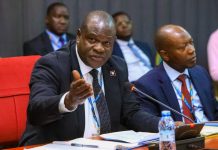
KAMPALA— July 2025 will bring diverse weather across Uganda, with moderate rainfall in the north and dry, hazy conditions in the south, according to the latest report from the Ministry of Water and Environment’s Department of Meteorological Services (DMS). The forecast, presented by Permanent Secretary Catherine Nassuna, describes a cold and chilly July shaped by key climate systems and local geography.
Northern regions, including West Nile, Acholi, Karamoja, Lango, Teso, Mt. Elgon, Bukedi, and parts of Busoga, are expected to receive moderate rainfall, driven by the northward shift of the Inter-Tropical Convergence Zone (ITCZ). “The ITCZ’s position will sustain rainfall in the north, providing vital support for farmers during this planting season,” Nassuna said. Conversely, southern areas like the Lake Victoria Basin, central, and southwestern regions will likely experience dry, sunny weather, though areas near Lake Victoria may see occasional light showers due to the lake’s moderating effect.
Looking back at June 2025, rainfall significantly decreased, signaling the end of the March-to-May rainy season in central, western, and parts of eastern Uganda. Northern and eastern regions saw a late-June surge, with Entebbe recording 268.5mm in 11 days and Bulambuli 200.4mm in 19 days. “June’s rainfall patterns underscore our climate’s variability, demanding adaptive strategies,” Nassuna noted.
July’s temperature forecast predicts a slight cooling. Maximum temperatures will range from 26°C to 30°C in West Nile, southwestern, central, and eastern areas, while highlands like Rwenzori, Mount Elgon, and Kigezi may drop to 8°C–14°C. Minimum temperatures will span 12°C–20°C, with highlands below 12°C and warmer nights (20°C–22°C) near Lake Albert. Mean temperatures will range from 18°C to 24°C, with the north slightly warmer.
The forecast highlights risks in the north, including flash floods, waterlogging, and transportation disruptions due to ongoing rainfall. Southern dry conditions may cause water stress and increased respiratory illnesses. “Communities must prepare for these challenges, from clearing drainage systems to monitoring health risks,” Nassuna advised. Farmers in central, western, and eastern regions should harvest and prepare for the next rainy season, while northern farmers are urged to plant. Soil conservation, timely weeding, and fertilizer use are recommended to mitigate flooding and erosion.
Urban authorities should clear drainage systems to prevent road damage, and southern livestock farmers must monitor dwindling pastures and water sources. Motorists are warned of reduced visibility from morning fog and haze. “Proactive planning is essential to navigate July’s diverse weather,” Nassuna emphasized. The DMS will provide ongoing updates, including 24-hour, 5-day, and 10-day forecasts, to support decision-making.
As Uganda braces for this varied weather, residents are encouraged to stay informed and adapt to July’s cool and diverse conditions.