The government has reiterated its commitment to strengthening Uganda’s education system following the release of new data showing serious gaps in children’s foundational learning, particularly in reading and writing.
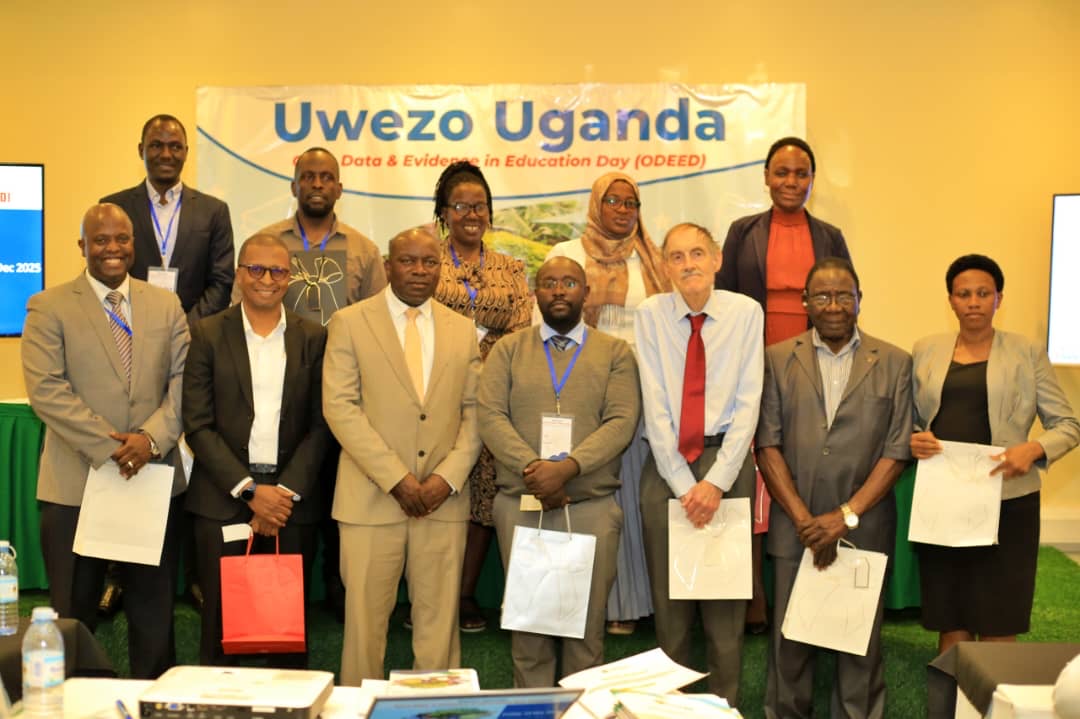
The findings were presented at the Uwezo Uganda Open Day and Evidence in Education Forum held at the Hilton Garden Inn in Kampala. The meeting brought together policymakers, district education officials, researchers and development partners to review recent evidence and discuss practical ways to improve teaching and learning in schools across the country.
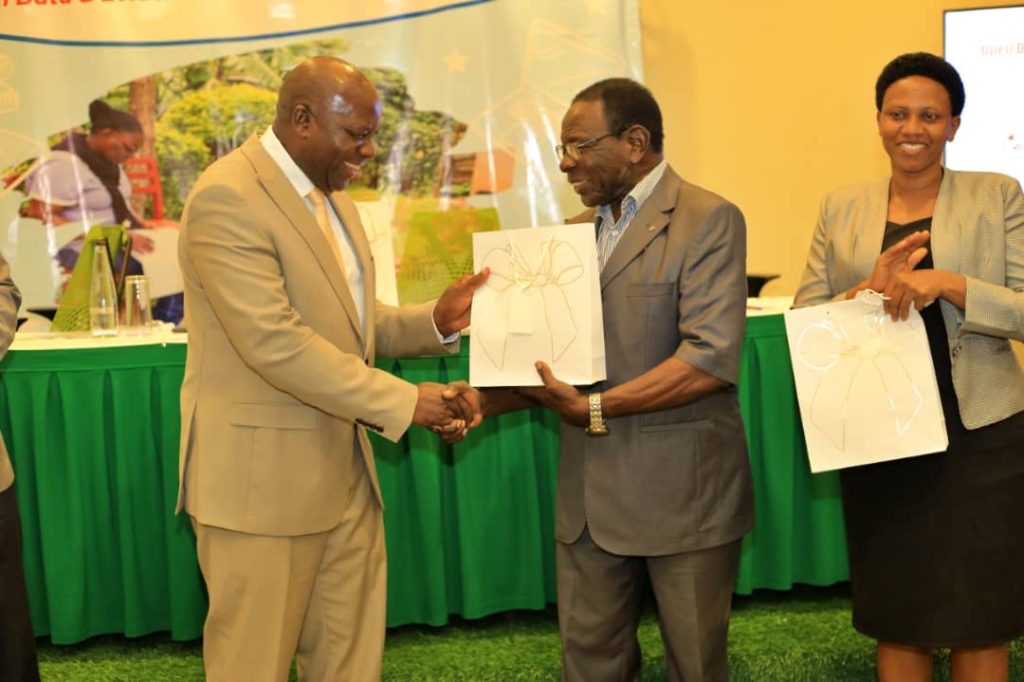
Speaking on behalf of the Minister of State for Primary Education, Hon. Dr. Joyce Moriku Kaducu, the Commissioner for Education, Cleophus Mugenyi, said government recognises the scale of the learning challenge and is committed to tackling it using evidence to guide reforms. He noted that Uganda already has strong policies in place, including the Early Childhood Care framework, Universal Primary Education and the competence-based curriculum, but implementation remains uneven.
“Evidence continues to show gaps that prevent our policies, teachers and school leaders from delivering learning outcomes for every child,” Mugenyi said. “The real challenge is strengthening classroom practice, supporting teachers and ensuring effective implementation at school level.”
He also pointed to the African Union’s declaration of the 2025–2035 Decade of Education, which aims to end learning poverty across the continent. Mugenyi said the need to improve foundational skills is even more urgent in light of rising absenteeism, adolescent pregnancies and school dropouts, which continue to affect learning outcomes.
From a policy and research perspective, the Commissioner for Education Policy and Research, Mr. Brighton Barugahare, said the ministry is putting in place a stronger research agenda to improve coordination and use of evidence. He said an education embedded laboratory is being established to support this work.
Barugahare added that studies examining pupil attrition and the causes of failure in national examinations conducted by UNEB have been completed and will be released to the public soon.
One of the key findings shared at the forum came from Uwezo’s pilot study on writing skills among children aged 8 to 12. The study showed that 57 per cent of learners are unable to write more than single words, while only 17 per cent can write connected text. The assessment pointed to weaknesses in grammar, vocabulary, sentence construction and limited exposure to reading materials, challenges that are closely linked to poor reading skills.
Prof. AJ Lutalo Bosa, Chairperson of the Uwezo Uganda Board, said the organisation remains focused on providing reliable data to inform education planning and reform.
“Our assessments, research and engagement are meant to reflect what is actually happening in schools,” he said. “Good evidence should guide how we respond to the learning challenges we face.”
District education leaders at the forum stressed the need to turn research into action. Representing District, City and Municipality Education Officers, Obiayi Ombera Raymond said the findings offer practical guidance for improving teaching and supervision at local level.
“This research gives us information we can use to make better decisions and design interventions that support teachers and communities to address the gaps we encounter every day,” he said.
Uwezo Executive Director Dr. Mary Goretti Nakabugo highlighted the close link between reading and writing, noting that children who struggle to read fluently also find it difficult to express themselves in writing, even in upper primary.
“Children need regular opportunities to read widely and practise writing,” she said. “Without these, it becomes very difficult for them to build the literacy foundation required for more advanced learning