By Arnold Mark Wadulo
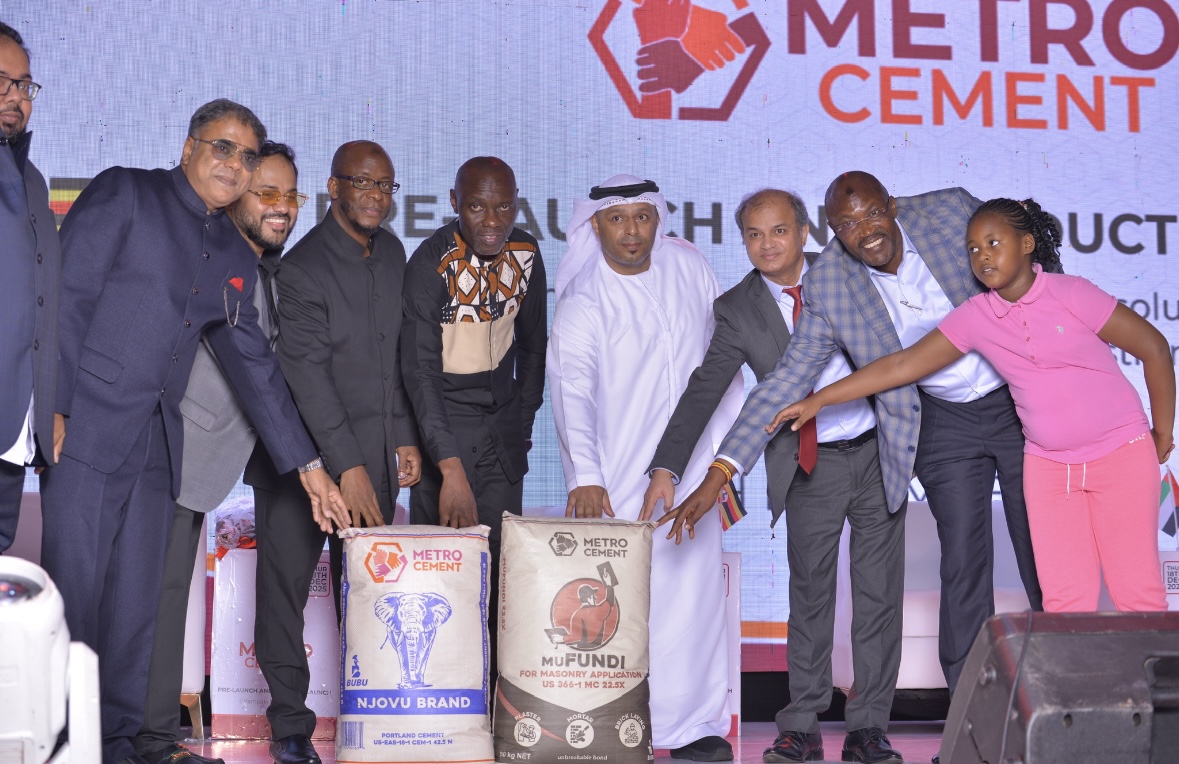
Uganda’s drive toward Vision 2040’s $500 billion economy is increasingly being anchored in manufacturing investments that combine industrial scale with diplomatic confidence. The expansion of Metro Cement Limited stands out not only for its impact on jobs and construction supply chains, but also as a tangible outcome of deepening Uganda–United Arab Emirates (UAE) economic relations.
Metro Cement’s investment trajectory is directly linked to the annual Uganda–UAE Business Summit, which has been held since 2017 to position Uganda as a competitive destination for Gulf capital. Officials say the platform has steadily converted policy dialogue into concrete investments, with Metro Cement now among the most visible beneficiaries.
The company’s latest expansion production line in Mbale, eastern Uganda will double its production capacity when launched in the first quarter of the 2026 calendar year, significantly increasing its ability to meet domestic cement demand driven by roads, railways, housing, and energy infrastructure. The upgrade is also expected to create additional direct and indirect jobs, strengthening local supply chains in transport, mining, packaging, and construction services.
From a regulatory standpoint, BariregaAkankwasah, Executive Director of the National Environment Management Authority (NEMA), has emphasized that large-scale industrial investments must balance growth with environmental compliance. He noted that adherence to environmental standards is critical in ensuring that industrialisationdelivers long-term national value rather than short-term gains.
A key factor behind Metro Cement’s expansion, according to Shamil Razack, Group Director at Metro Cement Ltd, has been Uganda’s ability to deliver on its investment commitments. He attributes the company’s confidence to the speed of foreign direct investment (FDI) setup, predictable compliance processes, and coordinated support across government agencies.
Despite the positive momentum, structural challenges persist. Uganda continues to import more than half of its clinker requirements, with Kenya, the UAE, and Saudi Arabiaamong the top suppliers in 2023. This dependence raises production costs and exposes the sector to external supply risks.

Robert Mukiza, Director General of the Uganda Investment Authority (UIA), has repeatedly stressed the need to fast-track exploitation of limestone deposits in northern Uganda. Local clinker production, he argues, would reduce import reliance, stabilise cement prices, and support the country’s ambitious infrastructure rollout.
The expansion also mirrors the strengthening of Uganda–UAE bilateral trade relations. According to Ambassador Kibedi, the UAE has, since September 2025, become Uganda’s leading export destination, particularly for agricultural products. This shift reflects growing trust between the two economies, with capital, goods, and value chains increasingly flowing in both directions.
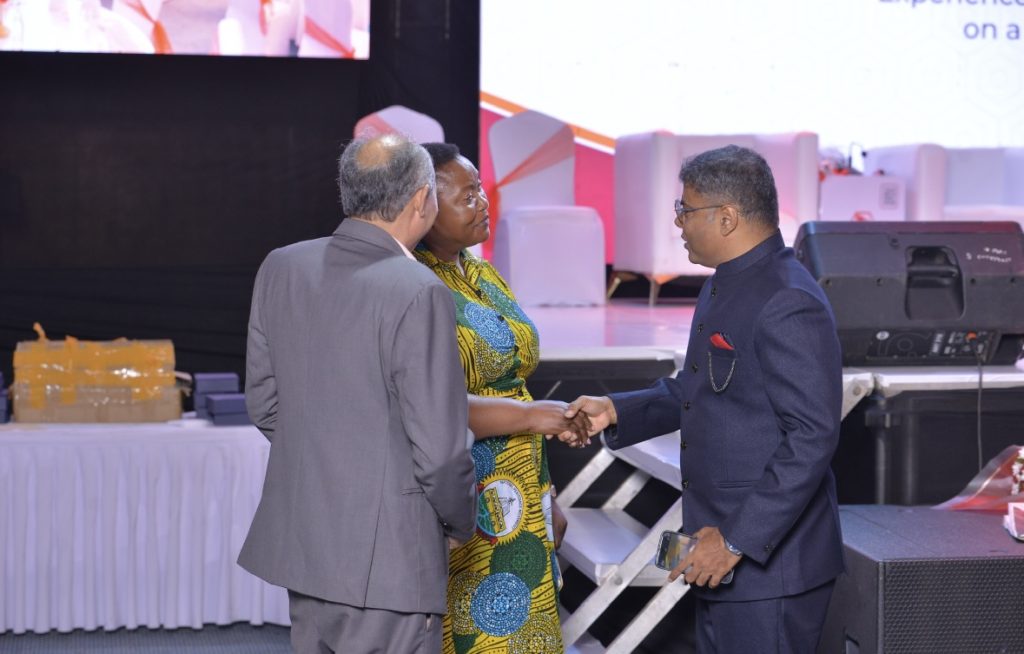
At the political level, Milly BabiryeBabalanda, Minister for the Presidency, has hailed Metro Cement’s expansion as proof that sustained diplomatic engagement and investor-friendly reforms can translate into real industrial capacity.
As Uganda pushes toward its Vision 2040 ambitions, Metro Cement’s expansion highlights a broader lesson: industrial growth is not just about capacity, but about credibility. For investors, Uganda’s consistency on FDI facilitation, compliance, and profit repatriation is becoming as valuable as its market potential