By John Barnes Ssentamu
The Ministry of Education and Sports has signaled a renewed commitment to working closely with private education providers, following the first-ever National Education Dialogue held at Kabojja International School in Buziga.
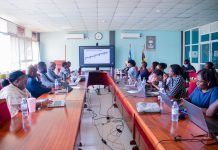
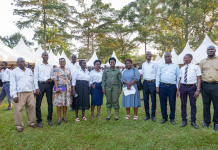
The engagement brought together more than 100 educationists from across the private education spectrum, including pre-primary, primary, secondary and international schools.
The dialogue marked a major outcome of discussions held in December 2024 between private education stakeholders and the First Lady and Minister for Education and Sports, Janet Museveni, whose engagement laid the groundwork for structured collaboration.
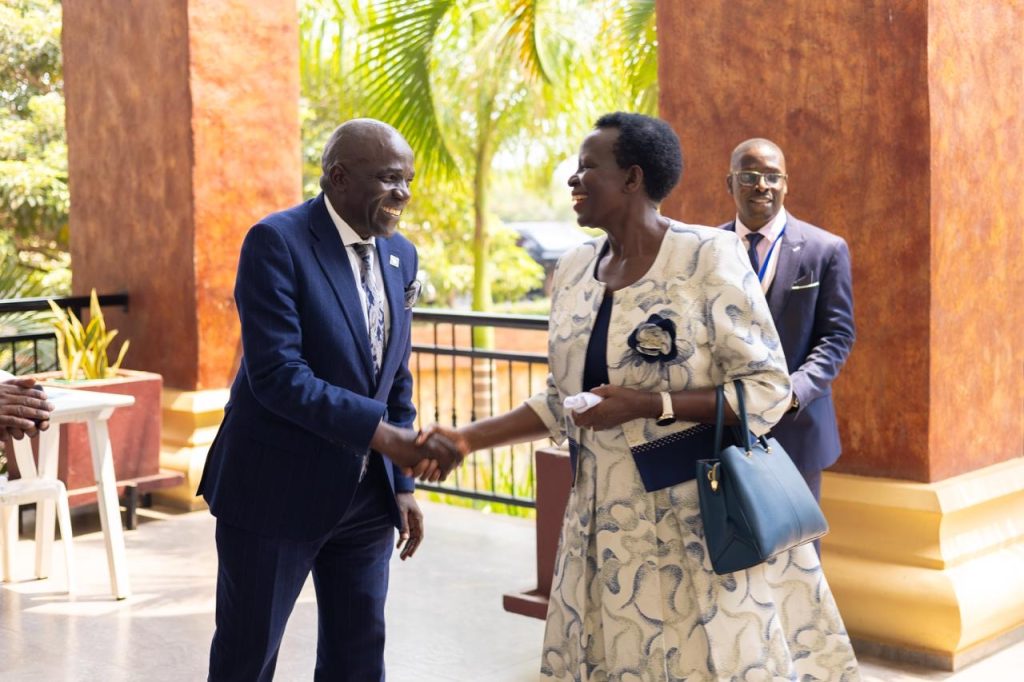
Presiding over the dialogue, the Permanent Secretary of the Ministry of Education and Sports, Dr Kedrace Turyagenda, commended private education providers for their critical role in complementing government efforts. She emphasized the need for a strong, respectful and well-coordinated working relationship between government and private players to steer Uganda’s education sector forward.
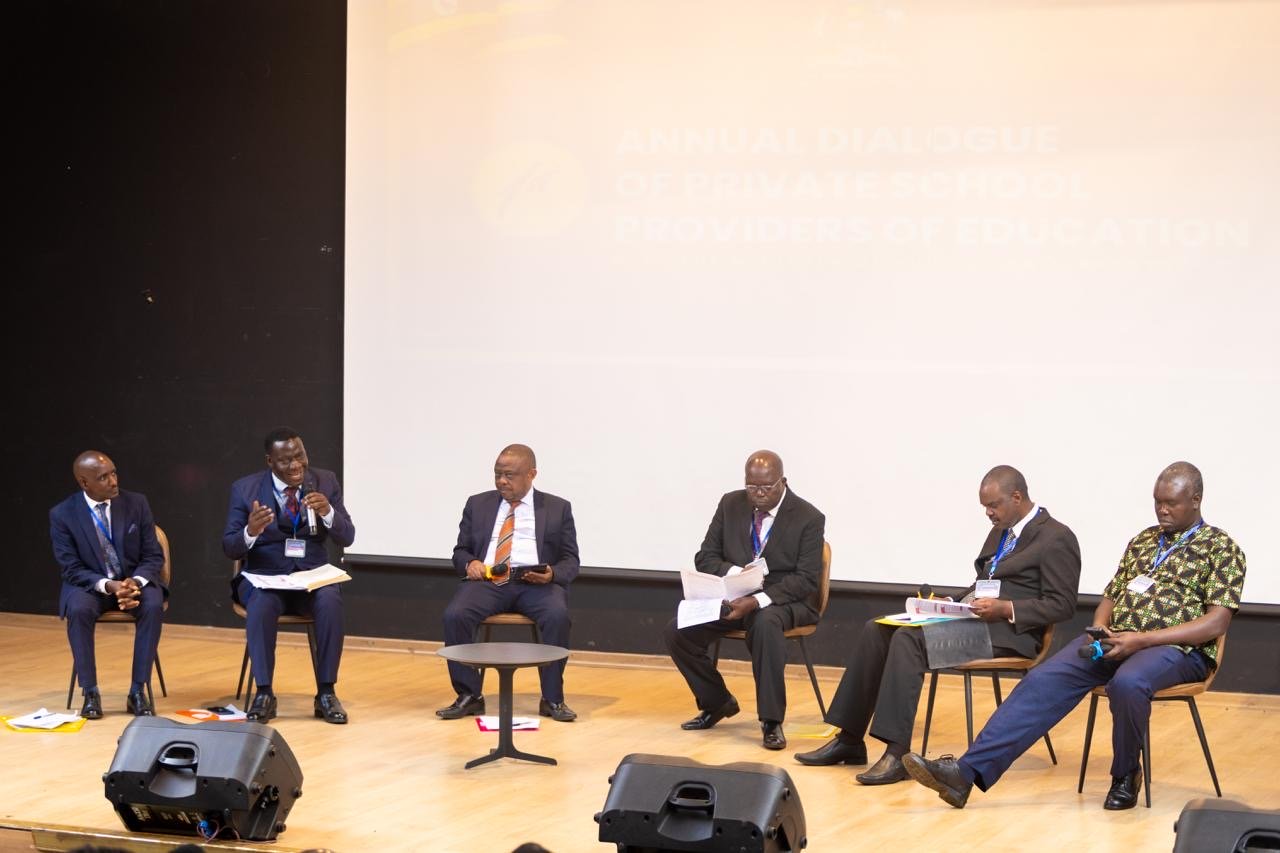
The dialogue was held under the theme “Creating an Enabling Environment for Private Provision of Education and Sports with Focus on Policy and Regulatory Issues Affecting Operations of Private Entities.”
Participants used the platform to openly engage the ministry on long-standing challenges affecting the sector.
Key issues raised included the widening gap between urban and rural learning environments, persistent high dropout rates and difficulties in implementing the new competence-based curriculum.
Educationists highlighted the strain these challenges place on schools, learners and teachers, particularly in under-resourced communities.
The dialogue also tackled policy and regulatory gaps, notably the absence of a comprehensive framework governing international schools, limited involvement of private providers in national education policy formulation and the burden of taxation on private institutions.
Stakeholders stressed that without deliberate inclusion of private players in decision-making, sustainable reform would remain difficult to achieve.
Ministry officials acknowledged the concerns and underscored the importance of continuous engagement to address them.
The dialogue was positioned as a safe and constructive space for aligning priorities, sharing experiences and shaping policies that reflect realities on the ground.
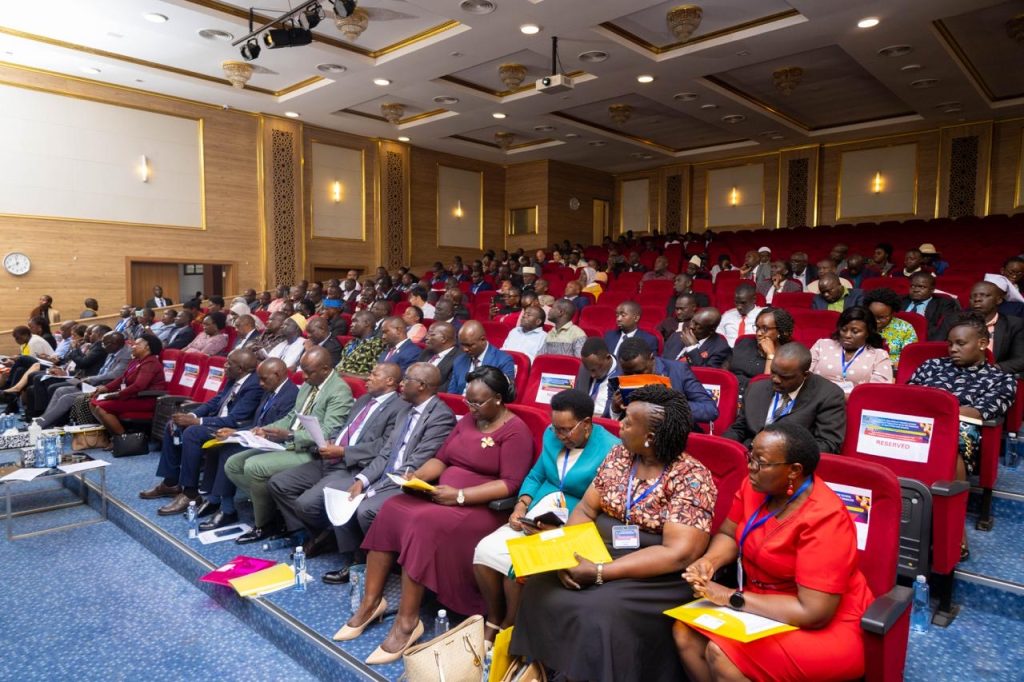
With the dialogue now set to become an annual engagement, attention will shift to strengthening stakeholder participation, deepening cooperation and enhancing teamwork across the sector. The ministry and private providers are expected to jointly develop support mechanisms that promote cohesion, accountability and quality education delivery.
The National Education Dialogue has been widely welcomed as a hopeful turning point, offering a platform where government and private providers can pull in the same direction to improve education outcomes and secure the future of Uganda’s learners.