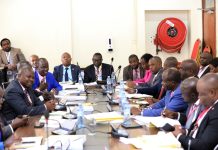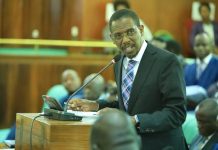
Lawmakers on Parliament’s Public Accounts Committee (Central Government) have put officials from the Ministry of Public Service on the spot over reports that active public servants participated in the recently concluded 2026 general elections.
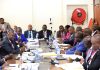
During a committee meeting chaired by Hon. Gorreth Namugga on Monday, 02 March 2026, Members of Parliament raised concerns that teachers, head teachers, District Education Officers (DEOs), and Chief Administrative Officers (CAOs) allegedly served as polling agents, presiding officers, returning officers, or engaged in partisan mobilisation.
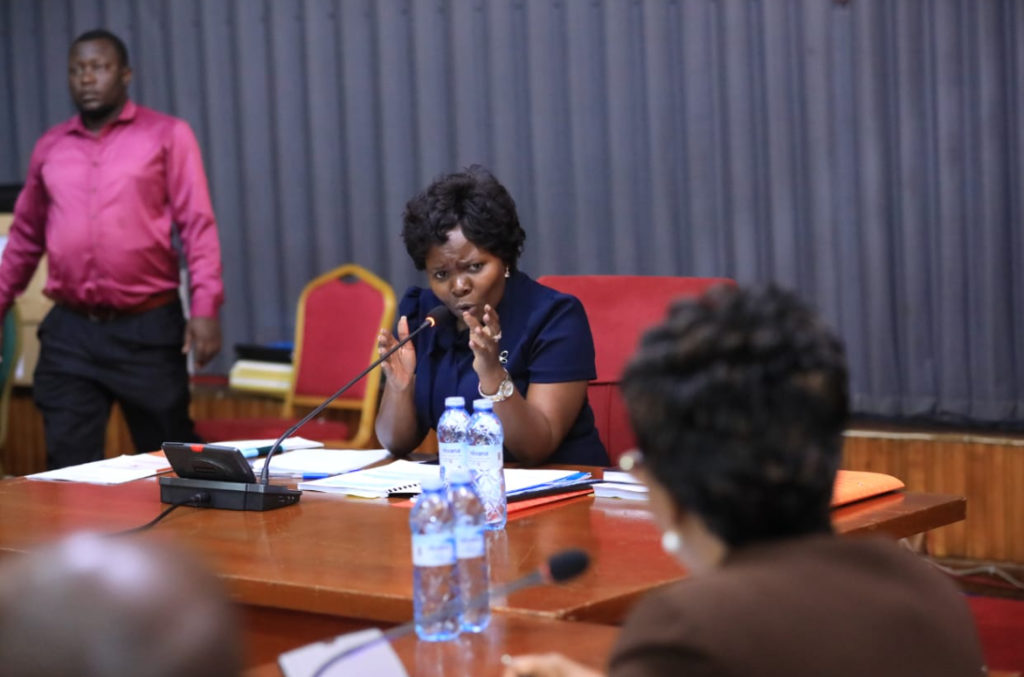
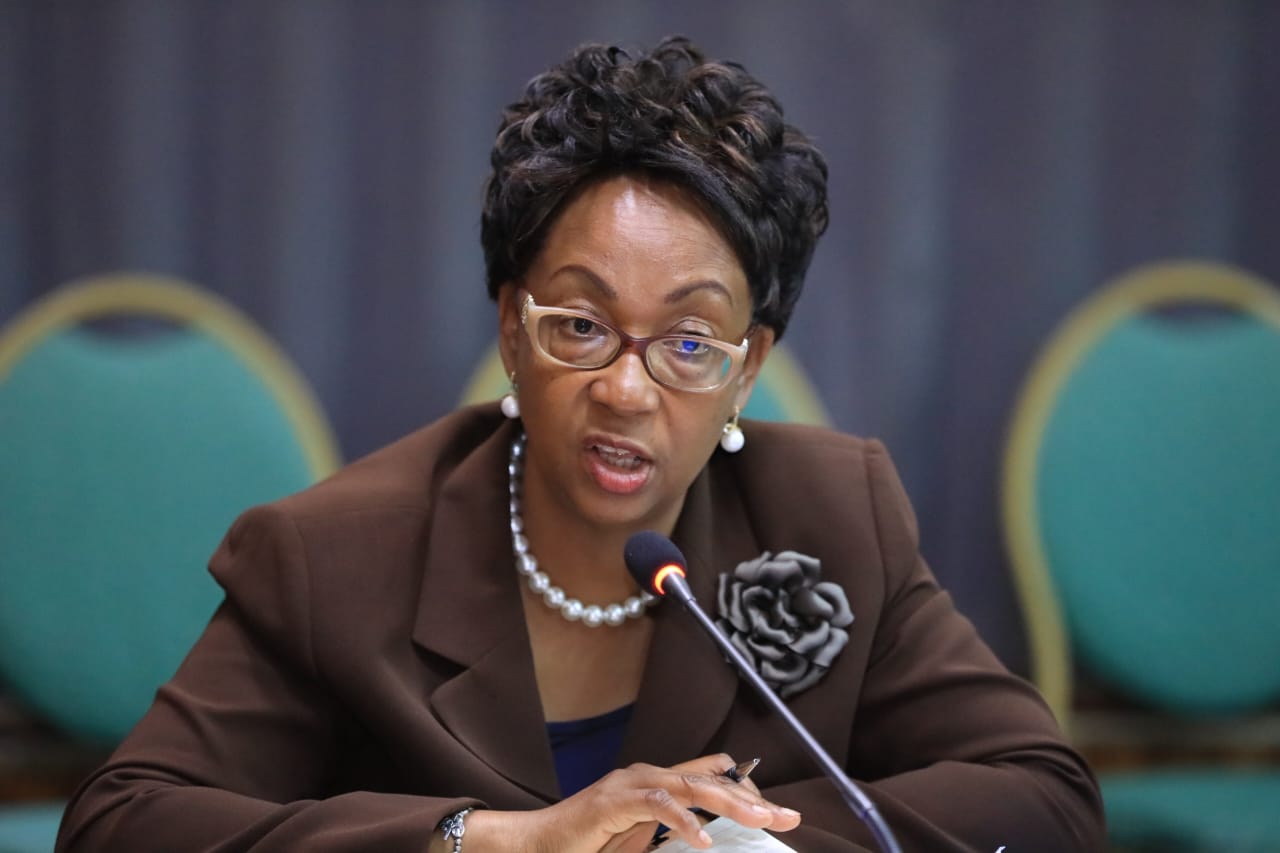
Namugga questioned whether it is lawful for serving public officers to take part in political processes.
“Is a public officer supposed to participate in political activities, let alone as a candidate? Is it lawful for a head teacher with an appointment letter to also receive an appointment from the Electoral Commission to serve as a presiding officer during elections?” she asked.
Hon. Patrick Nsamba (NUP, Kassanda County North) alleged that senior officials in his district openly participated in partisan activities.
“The DEO of Kassanda District was a chief mobiliser for the ruling party. The CAO denied funds meant for road works and instead channelled efforts into mobilisation. Where do citizens seek refuge when public servants act in this manner?” Nsamba queried.
Hon. Asuman Basalirwa (JEEMA, Bugiri Municipality) referenced the 2016 Amama Mbabazi presidential election petition in the Supreme Court, where similar concerns were raised regarding public servants’ involvement in political processes. He criticised what he described as the Ministry’s failure to proactively address such issues.
“What regulations do you issue to public servants, and what disciplinary measures do you undertake? These matters are in the public domain—you should not wait for formal complaints before acting,” Basalirwa said.
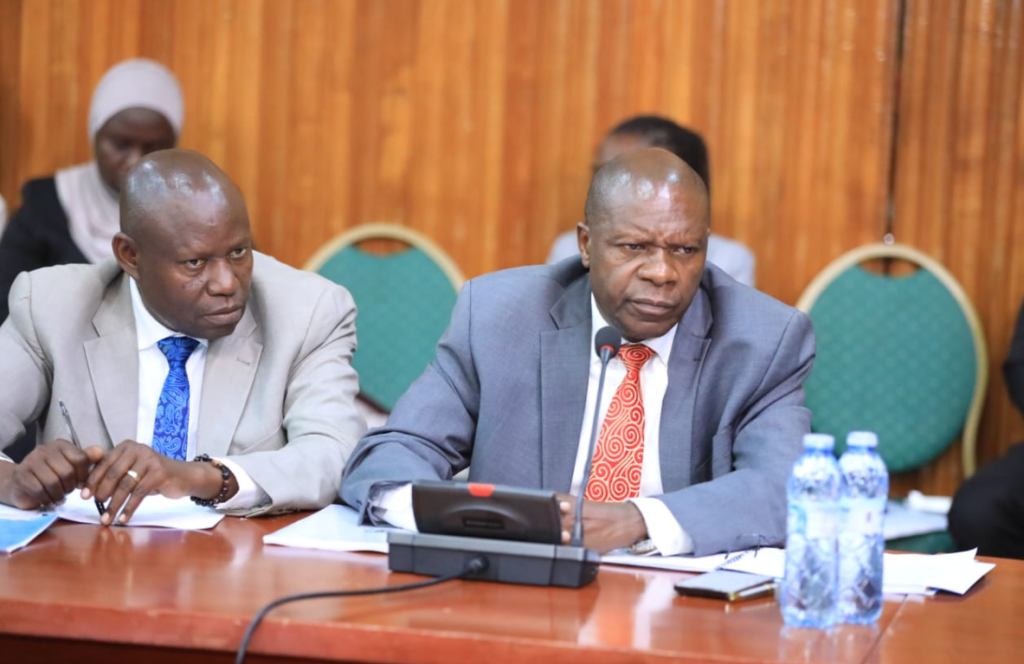
In response, the Permanent Secretary at the Ministry of Public Service, Catherine Bitarakwate, cited provisions in the Public Service Act, 2008, and the Uganda Public Service Standing Orders, which prohibit public officers from contesting elective positions or openly displaying partisan affiliations.
“These provisions are meant to ensure continuity and objectivity in service delivery. We have issued circulars to guide public servants accordingly. However, we have not formally received reports regarding teachers or head teachers participating in the electoral process. Once such reports are received, we shall provide further guidance,” Bitarakwate said.
Her response, however, did not satisfy members of the Committee, who pressed for clarity on whether public servants are permitted to serve as electoral officials.
“Is it within your mandate to provide guidance on whether public servants can participate in political activities, or is that responsibility vested elsewhere?” Basalirwa asked.
Following consultations during a brief recess, Bitarakwate informed the Committee that the Ministry would study the concerns raised and return with a comprehensive response.
“Public officers are not supposed to display partisan affiliations in the course of their service. In the specific cases cited, we would require detailed facts to make an appropriate interpretation in consultation with the Attorney General,” she added.
Officials from the Ministry had appeared before the Committee to respond to audit queries raised by the Auditor General on financial statements for the 2024/2025 financial year. However, they were directed to return at a later date to address the concerns raised regarding public servants’ alleged involvement in the elections.