By Kooko Lawrence
Uganda is stepping up efforts to build a $500 billion economy by 2040, with government leaders and development partners pointing to trade as a key driver of the country’s long-term economic transformation.
This was the focus of the National Trade Review Conference 2026 held at the Speke Resort Convention Centre, Munyonyo, where policymakers, private sector players and development partners met to review progress and discuss the next phase of reforms. The conference ran under the theme “Trade-Driven Transformation: Propelling Uganda to a $500B Economy by 2040.”
Opening the conference, Minister of Trade, Industry and Cooperatives Francis Mwebesa described trade as central to Uganda’s economic transformation and an important pillar of the Ten-Fold Growth Strategy. He said the country’s trade sector continues to show resilience, supported by policy reforms and institutional strengthening.
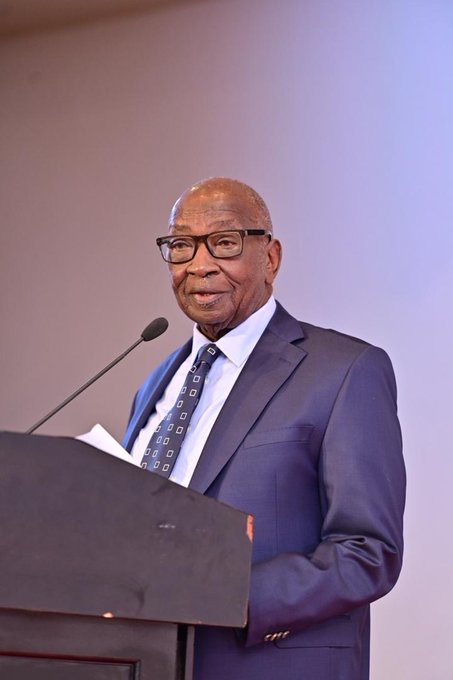
Mwebesa pointed to strong export performance in 2025, led by gold exports worth $6.4 billion and coffee exports valued at $2.2 billion. The coffee figures, he said, reinforce Uganda’s position as Africa’s leading coffee producer. He also thanked development partners, particularly TradeMark Africa and the United Kingdom government, for supporting trade facilitation, standards development and infrastructure improvements before declaring the conference officially open.
Earlier, State Minister for Trade Wilson Mbasu Mbadi said Uganda’s exports have grown to more than $13.4 billion, reflecting increased industrial activity and improvements in trade systems. He attributed the progress to stronger enforcement of standards by the Uganda National Bureau of Standards (UNBS) and export promotion efforts led by the Uganda Export Promotion and Free Zones Authority.
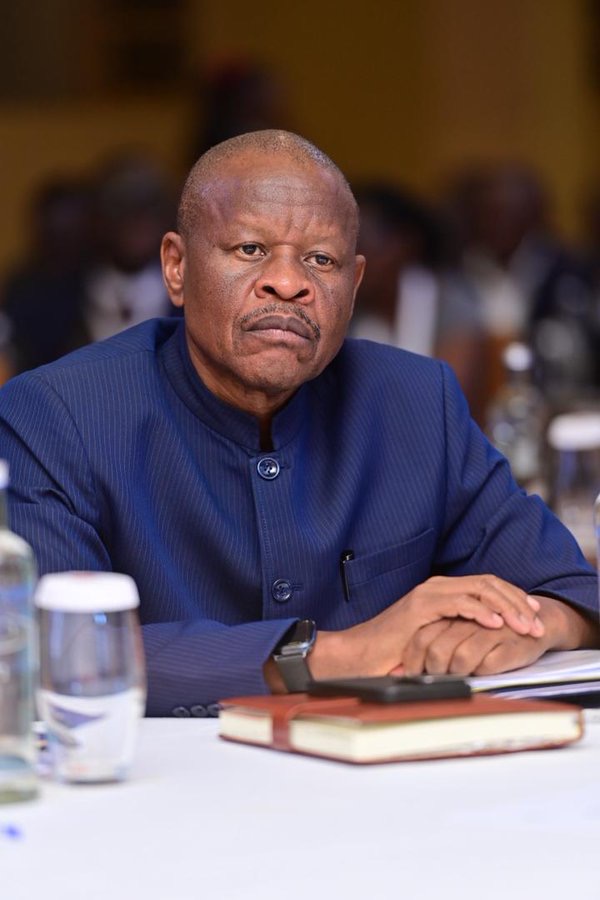
Mbadi added that Uganda has strengthened trade diplomacy within the East African Community (EAC) and the Common Market for Eastern and Southern Africa (COMESA), while expanding market access to the United Arab Emirates, the wider Middle East, China and Europe. He said reforms implemented under President Yoweri Museveni have placed the country on a firm path toward structural economic transformation.
The Permanent Secretary in the Ministry of Trade, Industry and Cooperatives, Lynette B. Bagonza, said Uganda’s economy grew by 6.1 percent in the Financial Year 2023/24, supported by macroeconomic stability. Inflation has remained between 3 and 5 percent, while the fiscal deficit declined to about 5 percent of GDP.
She said exports have risen from $4.5 billion to $13.4 billion over the past five years, pointing to improved market access and greater product diversification. Imports have also increased to $15.7 billion, largely due to purchases of industrial machinery, fuel and raw materials needed for production and infrastructure projects.
Bagonza noted that 38 percent of Uganda’s exports go to regional markets, with more than 70 percent of manufactured exports absorbed within the region. Exports to COMESA grew from $1.59 billion to $2.4 billion between 2020 and 2025.
However, she said 72 percent of enterprises remain informal, which limits access to finance, technology and international markets. She stressed the need to raise the share of manufactured exports from 19 percent to 50 percent by 2040.
The Country Director of TradeMark Africa, Ann Nambooze, highlighted progress in trade facilitation, including support for seven One-Stop Border Posts and the introduction of the Electronic Single Window system. These measures have reduced trade costs by about 32 percent by cutting processing time and reducing movement between government agencies.
Nambooze also pointed to the continued challenge of non-tariff barriers, which cost Africa an estimated $9 billion every year. She cited recent border disruptions affecting trade with South Sudan, which were resolved through intervention by the Ministry of Trade, and stressed the importance of sustainable and green trade practices for long-term competitiveness.
The British High Commissioner to Uganda, Lisa Chesney, acknowledged Uganda’s progress in expanding exports but said more needs to be done to address implementation gaps. She noted that although exports have grown, exports per capita remain lower than in some neighbouring countries.
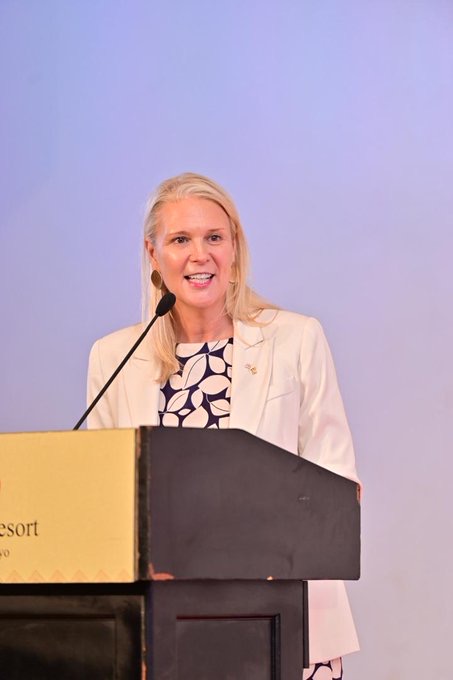
Chesney highlighted opportunities under the UK’s Developing Countries Trading Scheme, which allows tariff-free access for about 99 percent of goods. However, she said more than half of Uganda’s cut-flower exports to the UK still pay 8 percent tariffs because the available preferences are not fully used.
She also pointed to Uganda’s dairy export potential to Algeria, estimated at over $500 million annually, and called for stronger coordination to take advantage of such opportunities.
Across the discussions, one message stood out: Uganda has made progress in expanding exports, strengthening standards, improving border infrastructure and deepening regional integration. However, reaching a $500 billion economy will require faster implementation of reforms, stronger value addition, reduced non-tariff barriers and closer collaboration between government and the private sector.