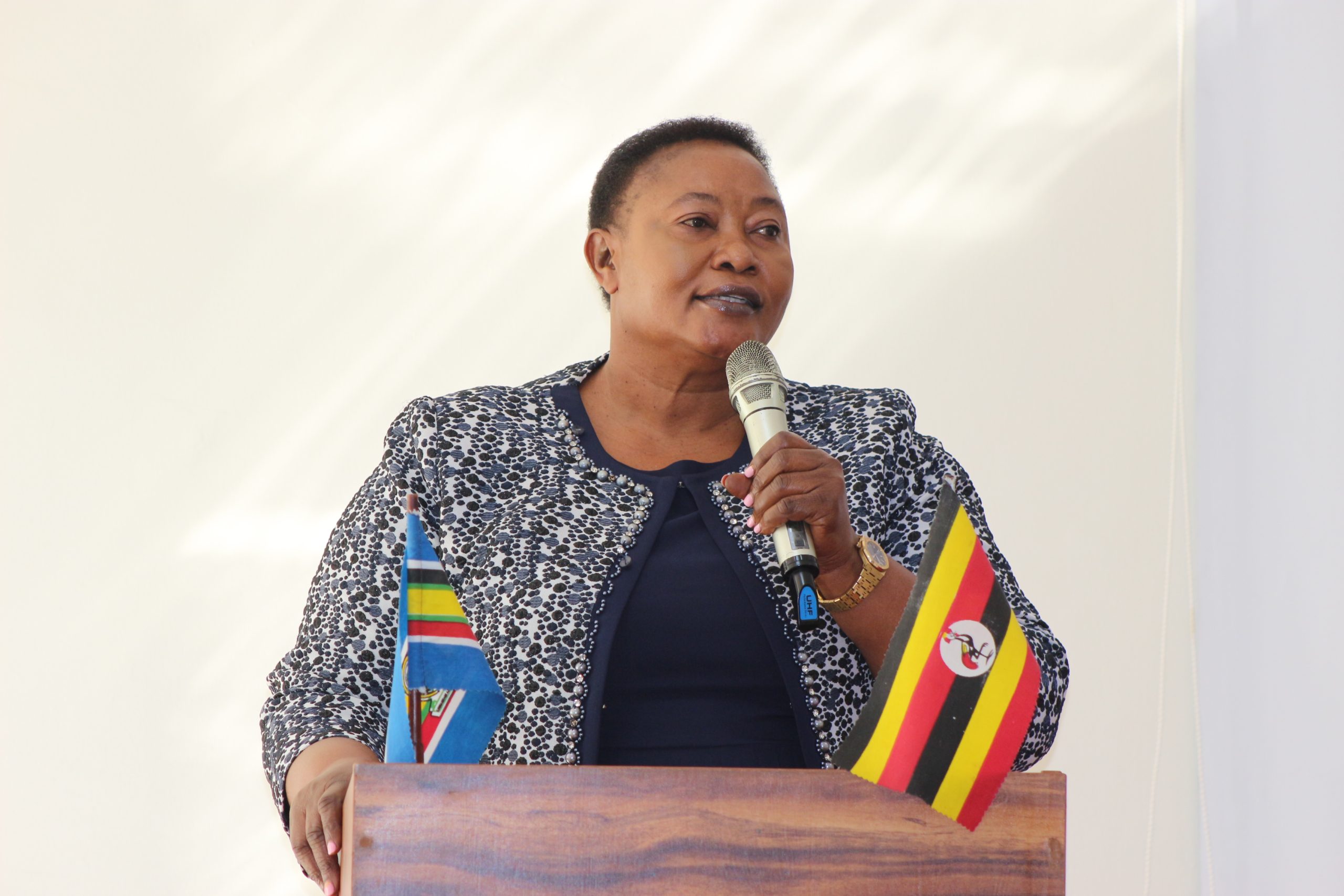
The Minister for the Presidency, Babirye Milly Babalanda, has called on Resident District Commissioners (RDCs) to refocus their work on improving service delivery and advancing the socio-economic transformation of Ugandans now that the election period has ended.
Babalanda said the success of government programs at the grassroots depends largely on how effectively RDCs monitor and supervise their implementation.
“President Yoweri Kaguta Museveni has consistently emphasized that the success of government programs depends largely on your effective monitoring and supervision at the district level,” she said.
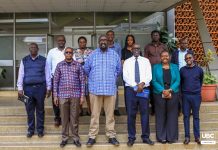
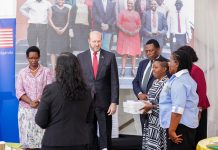
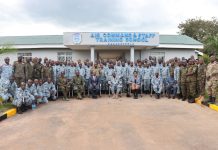
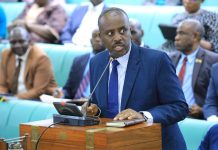
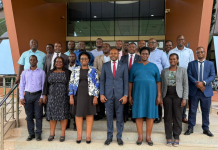
Her message was delivered by the Minister of State for Economic Monitoring, Beatrice Akello Akori, who represented her at the opening of a three-day capacity building workshop for RDCs, Resident City Commissioners (RCCs), their deputies and assistants, as well as Regional and District Internal Security Officers.
The workshop, bringing together officials from the Lango sub-region, is being held at Margarita Palace Hotel in Lira City.
Strengthening oversight in the districts
Babalanda reminded the commissioners and security officers that they represent the President in the districts and must ensure that government programs are implemented properly and that public resources benefit citizens.
“You must remain vigilant and proactive in identifying bottlenecks that affect service delivery. Where there is misuse of public funds, poor implementation of projects or delays in service delivery, you must take appropriate action and report to the relevant authorities,” she said.
She urged RDCs to visit project sites, interact with beneficiaries and confirm that what is reported on paper reflects what is happening on the ground.
Need to popularize government programs
The minister also emphasized the need for stronger public awareness about government programs.
She said several initiatives aimed at improving household incomes remain underutilized because many beneficiaries do not fully understand them.
Programs such as the Parish Development Model (PDM), Emyooga, the Youth Livelihood Programme and other wealth creation initiatives are intended to move households from subsistence to commercial production.
However, their success depends on effective communication and mobilization at the grassroots.
“As government representatives, you must ensure that communities understand these programs and that eligible beneficiaries can access them. You must also guide local leaders to ensure they are implemented transparently and fairly,” she said.
Progress in Lango sub-region
Babalanda also highlighted development gains in the Lango sub-region under the leadership of the NRM government.
She said the region has seen improvements in infrastructure, including road networks, electricity expansion and access to social services.
Government investment in education through Universal Primary Education (UPE) and Universal Secondary Education (USE) has enabled more children to attend school, while the health sector has expanded through the construction and upgrading of health facilities.
She added that wealth creation programs are helping households improve their livelihoods and participate in the national economy.
“These achievements demonstrate the commitment of the NRM government to ensuring inclusive development across all regions of the country, including those that historically faced development challenges,” she said.

Peace key to development
The minister also stressed that peace and stability remain essential for development.
“As security and administrative leaders, you must continue to promote peaceful coexistence among communities and ensure disputes are resolved through dialogue and lawful processes,” she said.
She also urged the commissioners to remain alert to emerging security threats and work closely with other security agencies to maintain stability across the country.
Election outcome and political shift
Babalanda also congratulated President Museveni on what she described as a victory in the recently concluded general elections, saying the results reflected continued confidence in his leadership and in the policies of the NRM government.
She noted that the elections also signaled a political shift in the Lango sub-region, which had historically been considered a stronghold of opposition politics, particularly the Uganda People’s Congress.
“In the just concluded elections, the NRM registered a very strong performance across the region,” she said.
Workshop aimed at improving performance
The head of the RDC Secretariat, Maj. Martha Asiimwe, also addressed the meeting, congratulating RDCs and District Internal Security Officers for mobilizing residents during the elections.
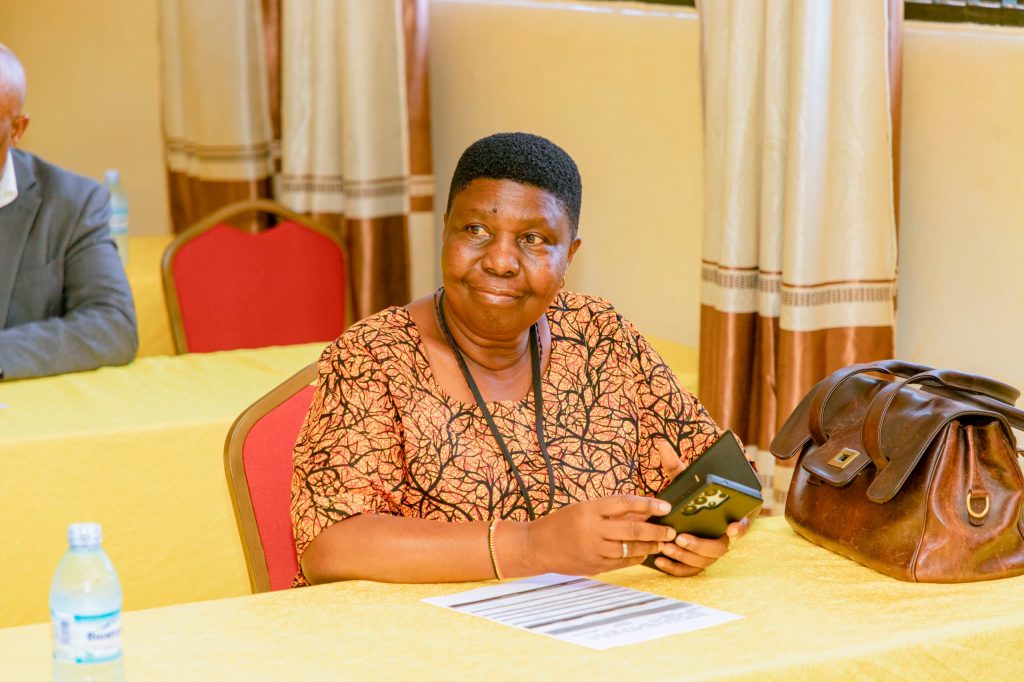
She said the workshop is intended to equip participants with the knowledge and skills required to perform their duties more effectively.
The training also focuses on leadership development, teamwork, ethics and improving performance in the districts.
“During the workshop, we encourage you to be innovative and creative with new ideas for the betterment of your working stations,” Asiimwe said.
She added that participants are also receiving training in security management and how to respond to emerging geopolitical and security threats.
Service delivery challenges highlighted
During the meeting, the Assistant Commissioner for Economic Monitoring in the Office of the President, Felix Olum, presented a paper on monitoring and evaluation.
He highlighted several service delivery challenges observed in districts, including drug stock-outs in health facilities, absenteeism of public servants, non-functional water points, poor feeder roads, urban planning problems and low recovery rates of government wealth creation funds.
Olum said many of these issues stem from weak monitoring systems, corruption and limited fiscal autonomy.
“Monitoring and evaluation of government services should be strengthened for improved service delivery. RDCs are required to produce and submit reports to the Office of the President for review and further management,” he said.
He explained that monitoring involves tracking the progress of government projects and comparing actual performance with planned targets to ensure that results meet expectations.