By David Mwanje
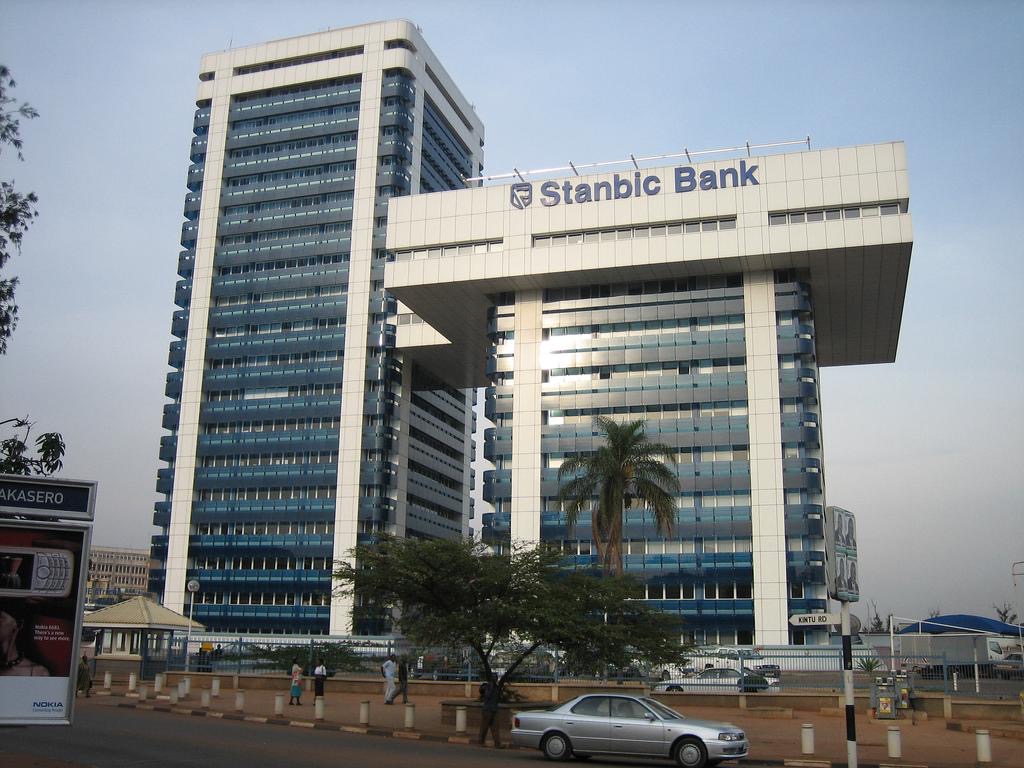
Stanbic Uganda Holdings has declared a Shs360 billion dividend following strong results for the year ended December 31, 2025.
The results come as Franchise Chief Executive Francis Karuhanga exits, while Mumba Kalifungwa completes his first year at the helm of Stanbic Bank Uganda.
Uganda’s economy grew by 6.3% in 2025, up from 6.0% the previous year. Inflation averaged 3.6%, the Central Bank Rate eased to 9.75%, and the shilling strengthened to about Shs3,600 against the dollar.
Stanbic’s revenue rose 11%, while the cost to income ratio improved to 47.1%. Return on equity increased to 26.8%, above the 20% target.
Net profit grew to Shs591 billion, up 23.6% from Shs478 billion in 2024. The Group’s share price has gained 89% over the past three years, closing at Shs60 in 2025.
“Our strong earnings and return on equity demonstrate the resilience of our strategy and our continued focus on delivering long-term value,” Karuhanga said.
At Stanbic Bank Uganda, customer deposits rose 13% to Shs8.0 trillion, while loans increased 16.4% to Shs5.1 trillion.
Revenue grew to Shs1.4 trillion, driven by interest income and non-interest streams.
“This performance reflects the strength of our team, the trust of our customers, and the power of our partnerships. We are building momentum that positions us well for sustained growth,” Kalifungwa said.
Chief Financial Officer Ronald Makata said key ratios remain strong. Capital adequacy stood at 23%, while non-performing loans were at 1.7%.
Liquidity also remained high, with a coverage ratio of 354% and a net stable funding ratio of 176%.
“Our strong balance sheet and disciplined risk management give us the resilience to grow sustainably while navigating a changing operating environment,” Makata said.
Stanbic says it will continue to focus on financial inclusion, enterprise support, infrastructure financing, climate resilience, and social investment as it approaches 35 years in 2026.
“Our purpose is clear. Uganda is our home, and we remain committed to supporting its growth in a way that is inclusive and sustainable,” Kalifungwa said.