By Wadulo Arnold Mark
In the wake of Uganda’s 2.5 million units housing deficit, a foreign joint mission has visited key government stakeholders in Uganda to pitch the idea of exploring affordable mortgage options for Uganda’s fast-growing population.
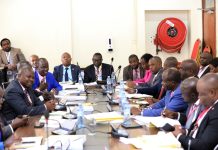
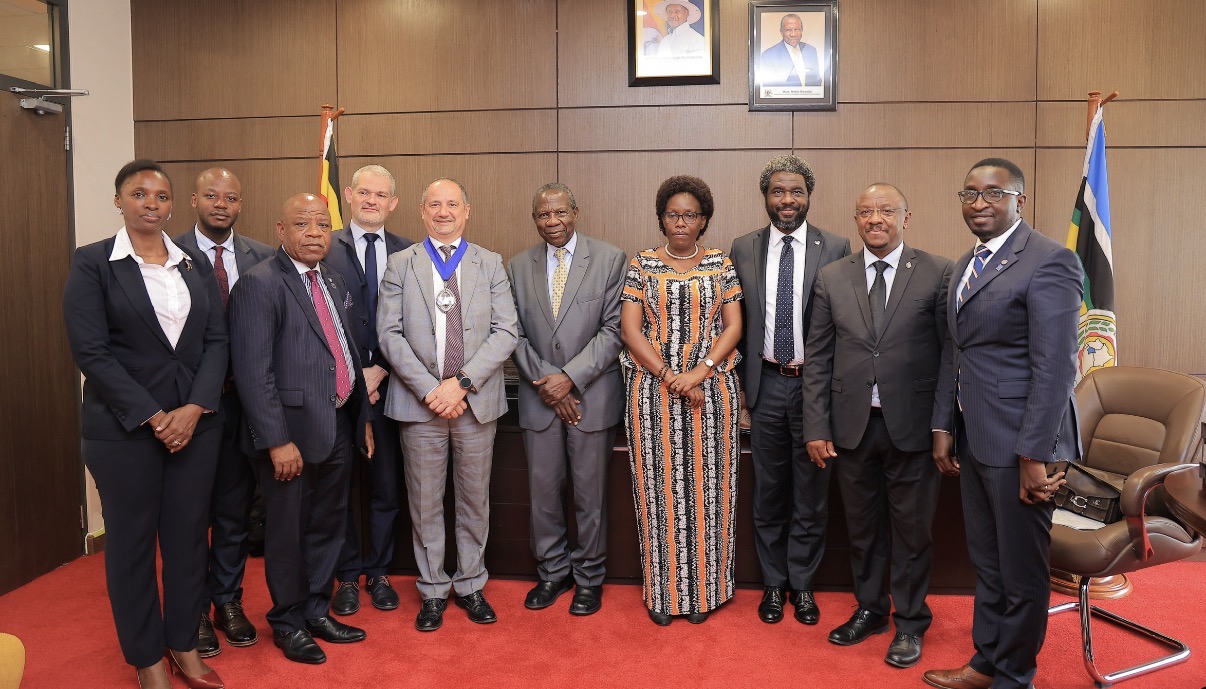
The one-day meetings included Mr. Luca Bertalot, the Secretary-General of the European Mortgage Federation & European Covered Bond Council (EMF-ECBC), and Mr. Antonio Campagnoli, the World President of the International Real Estate Federation (FIABCI), who visited Lands Minister Judith Nabakooba; at her invitation, Matia Kasaija, the Finance Minister, and Dr. Michael Atingi-Ego, the Governor of the Bank of Uganda, in a closed-door meeting.
Uganda’s Association of Real Estate Agents (AREA) is brokering this landmark public-private partnership deal between the government of Uganda and the European Mortgage Federation, whose extended mandate now also covers the European Covered Bond Council.
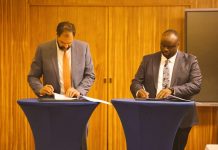
The meeting is part of the ongoing collaboration established under a Memorandum of Understanding signed with the Ministry of Lands, Housing and Urban Development of Uganda (MLHUD) and AREA Uganda in June 2025 during the 75th FIABCI World Real Estate Congress in Lagos, Nigeria.
“We are Europe’s key talking partner on all mortgage industry-related questions, and we can have this patient capital for mortgages channeled down to Ugandan people through your mortgage offering banks,” Luca Bertalot explains and adds, “Affordability for these mortgages will require the capacity of the banks to go longer in the mortgage maturity.”
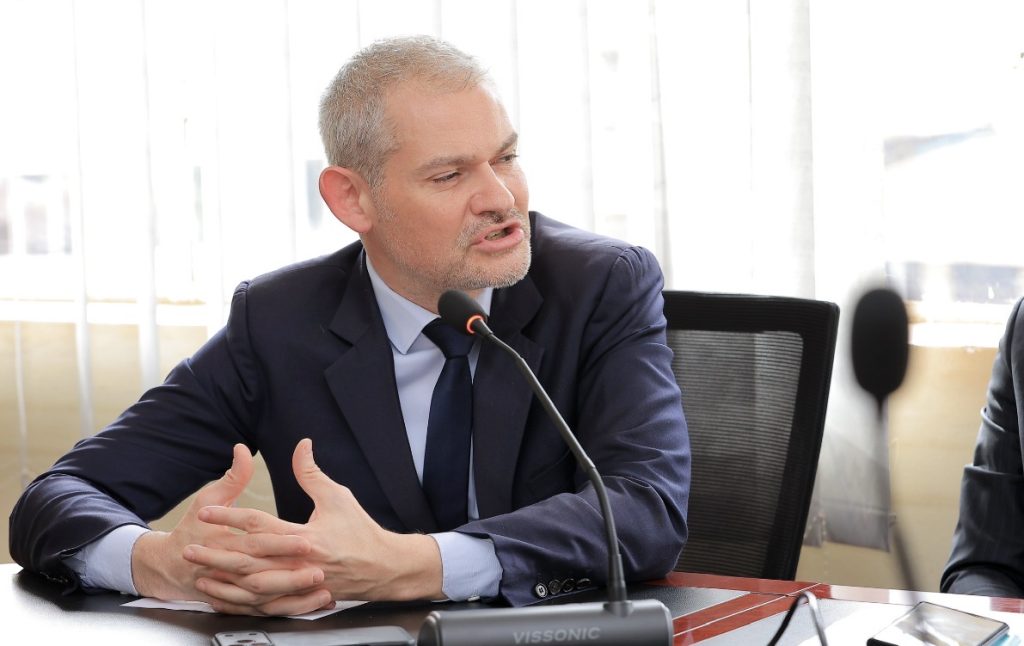
If successfully negotiated and implemented, this joint venture could help drastically reduce the cost of mortgages in Uganda to under 10% from the current average of 18–20% per annum. Mortgage interest rates in the Euro area as of late 2025/early 2026 generally hover around 3.3% to 3.5% for new household house purchases, and Ugandans, too, could enjoy patient and affordable mortgages.
Campagnoli was escorted by Mr. Adeniji Adele, FIABCI’s Africa and Near East Region President, and Akin Opatola, Chapter President for Nigeria FIABCI.
A System Now Ready to Carry the Weight
What gives added weight to this engagement is Uganda’s evolving economic infrastructure, which is increasingly positioning the country to support structured financing mechanisms such as mortgage guarantee portfolios.
In a formal request convening the meetings, Minister Judith Nabakooba revealed that government had already held a series of engagements with the visiting delegation, including discussions on the sidelines of the premier global real estate event MIPIM 2026 Conference in Paris. At Uganda’s request, the two global institutions agreed to visit Kampala to explore the establishment of a mortgage fund aimed at expanding affordable and patient capital through existing financial institutions.
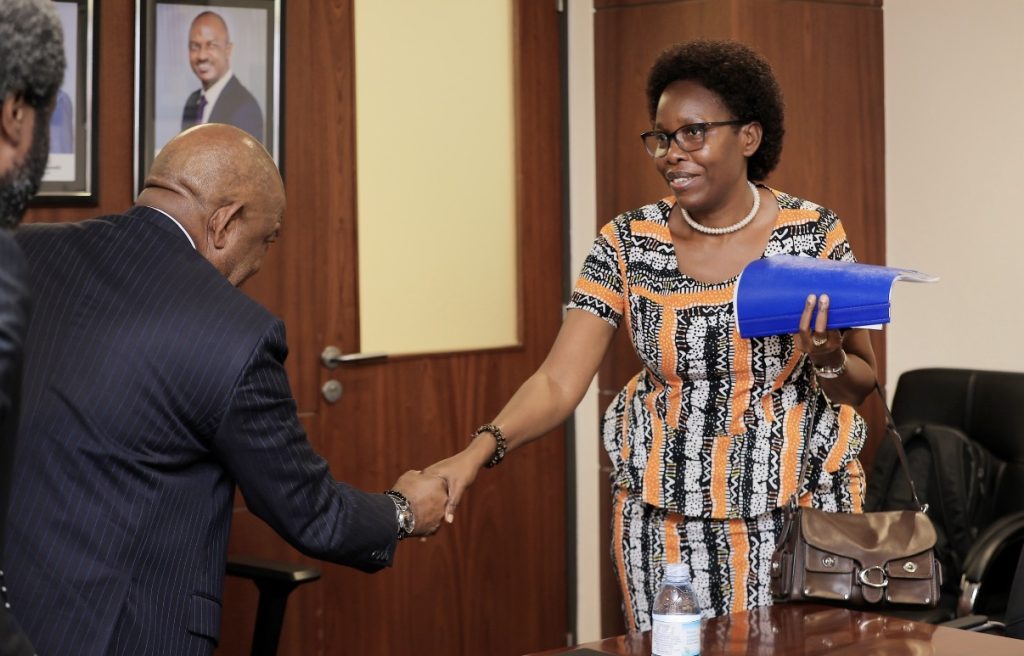
Uganda’s financial ecosystem—anchored by a more stable banking sector, improved regulatory oversight by the Bank of Uganda, and coordinated fiscal policy under the Ministry of Finance—is now better placed to absorb and deploy long-term capital. These are critical ingredients for any mortgage guarantee framework, which relies on trust, liquidity, and institutional discipline.
Additionally, ongoing urban financing programs under the Ministry of Lands, Housing and Urban Development, including performance-based funding to municipalities through initiatives like the USMID program supported by the World Bank, demonstrate Uganda’s growing capacity to manage large-scale, results-driven financing. Such frameworks mirror the accountability and structure required to sustain mortgage-backed instruments.
With this foundation, Uganda is not only seeking cheaper capital but also fostering the landscape necessary to guarantee homes for millions of its citizens especially now that the Mortgage Refinance Institutions Act, 2025, is now in force.