By Sarah Mawerere
As global leaders convene to discuss in “One Health” Summit 2026, attention turns to Africa-a continent at the epicenter of emerging and re-emerging diseases.
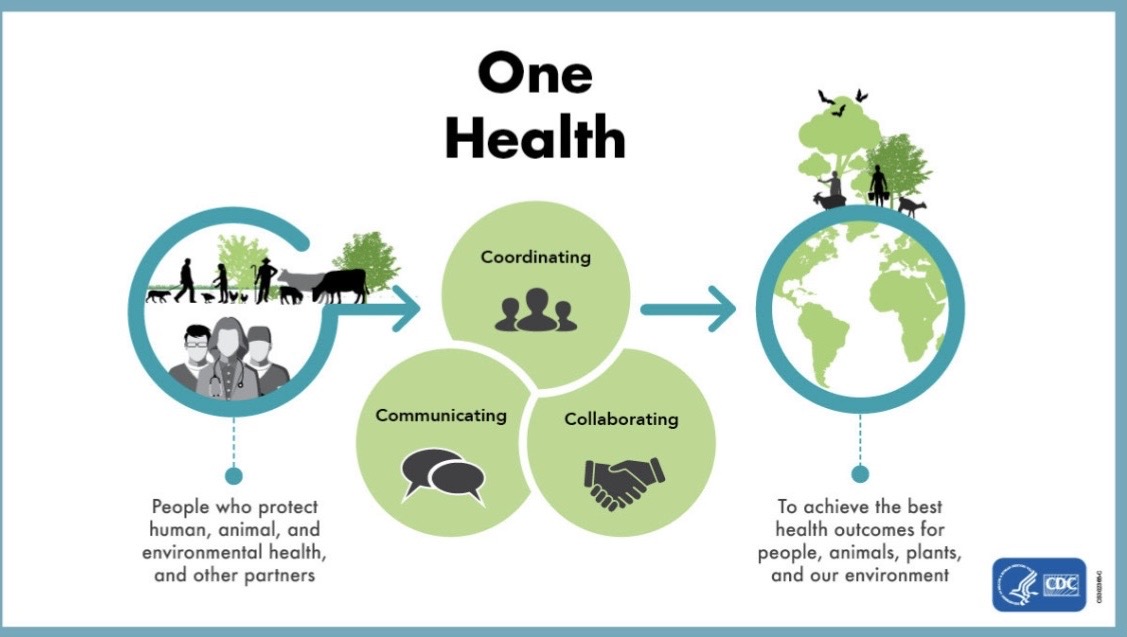
One Health is an approach, which brings together human, animal and ecosystem health. As the world faces this interconnectedness of health, climate, and ecological challenges, a multi-sectoral innovative approach is required across sectors and borders.
The interconnectedness of humans, animals, and ecosystems is inevitable. But learning to coexist sustainably is essential to protect African communities from climate-driven health risks. Beyond zoonotic diseases, this close relationship is also driving challenges such as food insecurity, water scarcity, and antimicrobial resistance-threats that are becoming more severe as climate change intensifies.
In an interactive webinar organized by REMAPSEN (The African Media Network for the Promotion of Health and Environment) and Galien (the Africa Civil Society Organization dedicated to fostering scientific innovation and improving health across the Africa Continent), ahead of “The One Health” Summit taking place in Lyon, France, taking place on 7th April 2026, coinciding with World Health Day, it came to light that the African content is more vulnerable to diseases.
President and Chair Galien Africa, Prof. Awa Marie COLL SECK noted that Africa is mostly impacted by diseases-highlighting the need to strengthen response systems across the continent.
Prof. Awa suggested an African on-ground multidisciplinary effort to tackle One Health challenges. Adding that this however requires civil society organizations to come together to have one sustainable health and One Health response, to expand network by adding more countries to strongly contribute to the global One Health.
On his part, Head of the Department of Public Health, Faculty of Health Sciences, Amadou Hampaté Ba University (Senegal) Prof. Issakha DIALLO, fronted the idea of Africa needing an autonomous regulation. He said Local technologies would be better solutions that to boost Africa Continent citing partnerships, and medical equipment. He however added that Africa has to develop human capital to have specialists to respond to the challenges adequately.
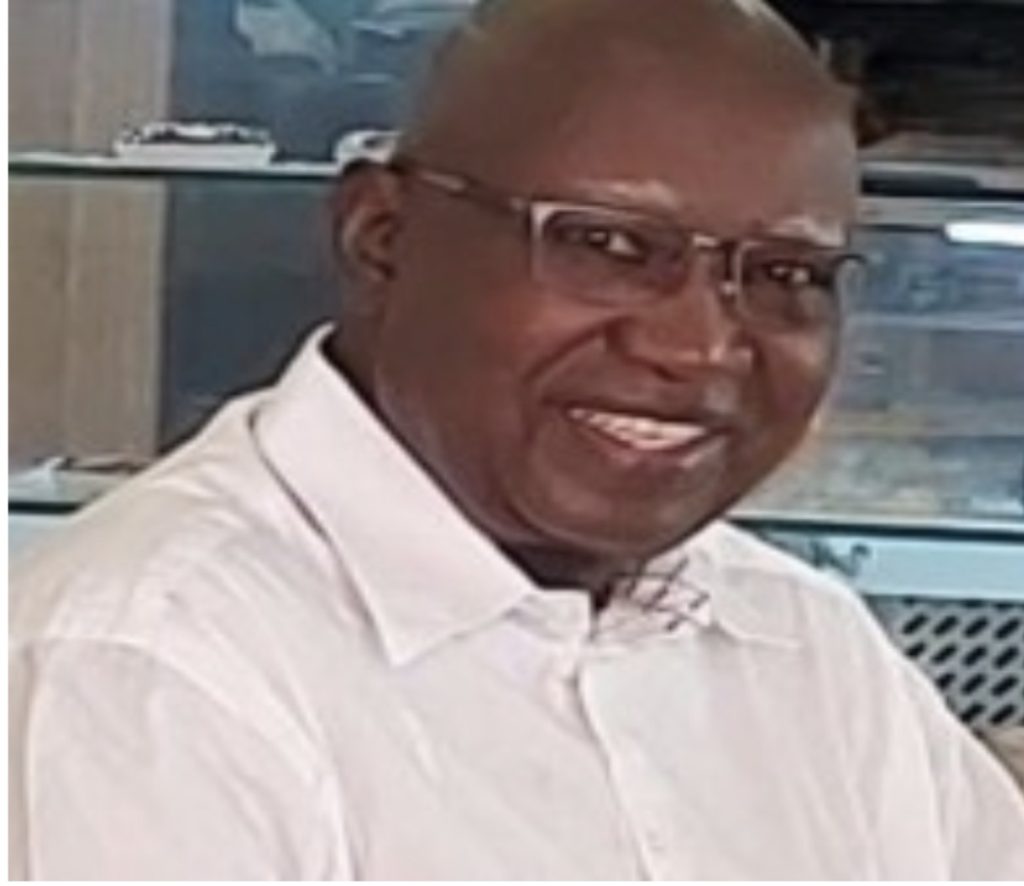
Prof. Diallo further said there there has to be proper usage of antibiotics to better treatment being one of the challenges in One Health.
The main objective of One Health summit is to foster international and interdisciplinary dialogue about global issues through cooperation and research to create a common “One Health” culture.
Meanwhile, Prof. Salome BUKACHI – Chair of the Institute of Anthropology, Gender and African Studies, University of Nairobi (Kenya), alluded to the saying of “Nothing For Us Without Us”. She said without social inclusion, the community would not have much stake.
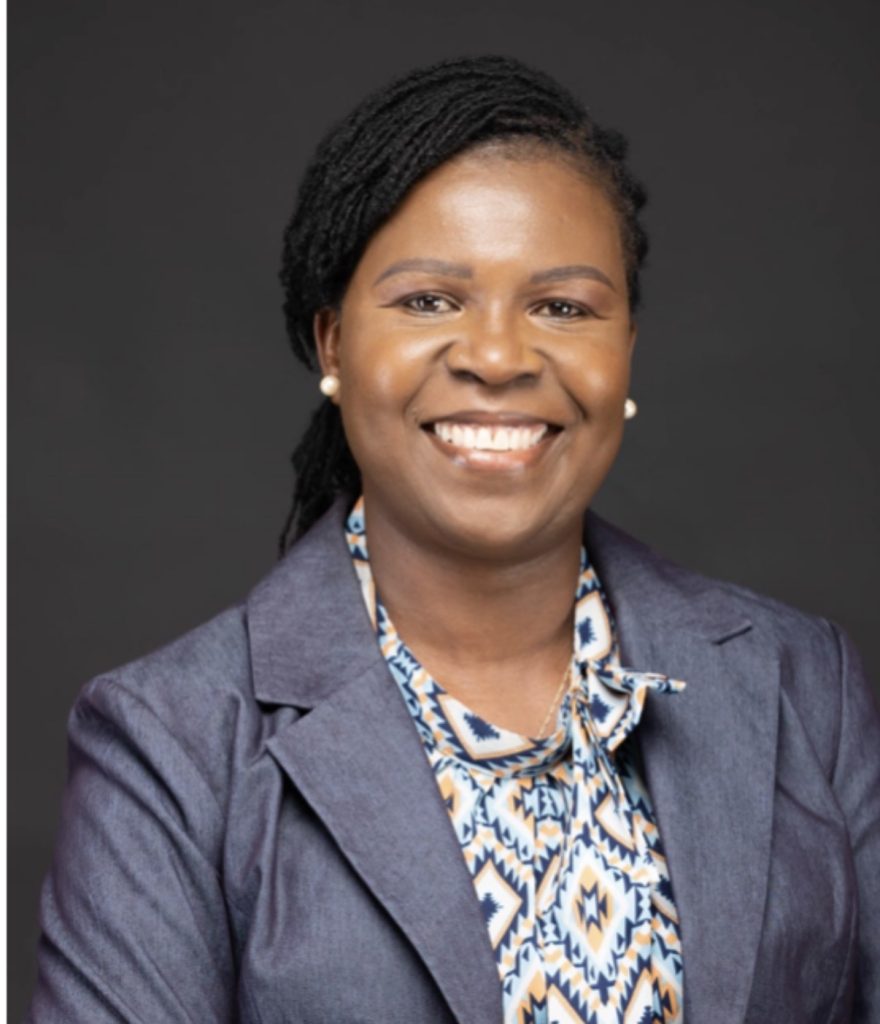
Pof. Bukachi explained that community tailored inclusion forms part of “One Health” multi-sectoral approach.
Other speakers were;
Caroline COMITI – Regional Health Advisor, French Embassy in Senegal, Dr. Magda ROBALO – Institute for Global Health and Development, Prof. Cheikh MBOW – Executive Director, Centre de Suivi Écologique (Senegal), Dr. Adjaratou Diakho NDIAYE – Permanent Secretary, National High Council for One Health Public Health Security (Senegal), Prof. Ibrahima SECK – Head of the Department of Preventive Medicine and Public Health/FMPO, Cheikh Anta Diop University of Dakar (Senegal), Prof. Francine NTOUMI – President, Congolese Foundation for Medical Research (Congo), M. Gerry GIMAIYO – Directeur de la Santé pour le bureau régional Afrique, Rockefeller Foundation (Kenya) and Dr Naledzani Mudau, Data Products and Services Manager, South African National Space Agency-Earth Observation directorate. Co-Chair AfriGEO Health Initiative, GEO Human Planet.