By Sarah Mawerere
With fewer days left to finalize a global pathogen-sharing deal, African governments, researchers, and civil society groups are demanding wealthy nations for equitable Pathogen Access and Benefit Sharing (PABS).
They have called for global solidarity to fight infectious diseases while urging key global leaders—particularly in Europe—to advance an equitable World Health Organization (WHO) Pandemic Agreement, including a binding and enforceable Pathogen Access and Benefit Sharing (PABS) Annex.
The Annex determines how countries share genetic information and pathogen samples—and how the benefits derived from their use are shared in return.
Regional Advocacy and Policy Manager, AIDS Healthcare Foundation (AHF) East & West Africa, Diana Tibesigwa, said the need for a global system that rewards, tells fair access to the cures.
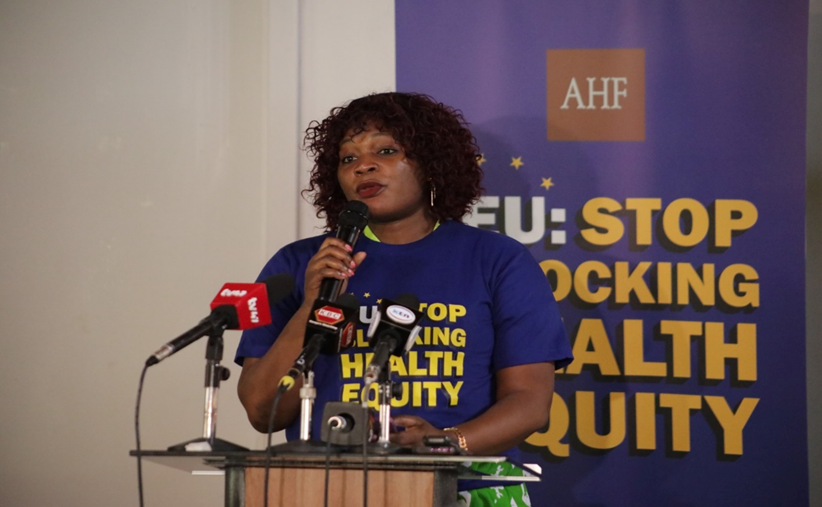
“A PABS Annex without binding equity provisions tells Africa to share pathogens, but do not expect fair access to the cures.” She added.
Tibesigwa noted that Africa has invested in manufacturing capacity, strengthened its regulators, and built the continent into a credible health authority.
She further explained that developing countries shared their pathogens, and their scientists identified new variants in record time therefore, setting a fair agreement must ensure that this contribution is met with binding, enforceable benefit-sharing — not voluntary commitments that lack accountability.
The Pandemic Agreement adopted at the World Health Assembly in May 2025 is a legally binding instrument to correct weaknesses exposed by COVID-19. The Annex must include binding, enforceable provisions that ensure those who profit from it, also contribute to it.
Benefits must include equitable access to vaccines, diagnostics, and treatments; non-exclusive licences for manufacturers in developing countries during public health emergencies; and annual financial contributions.
However, with a May 2026 deadline approaching at the World Health Assembly, the Pandemic Agreement cannot move forward without the PABS Annex.
The Annex, which sets the rules for sharing pathogen samples and genetic sequence data used to develop vaccines, diagnostics, and treatments — and how the resulting benefits are distributed — must be completed before the Pandemic Agreement, adopted in May 2025, can be opened for signature.
Africa’s Stakes: Lessons from COVID-19
The consequences of failure are acute for Africa. During COVID-19, the continent—home to 17% of the world’s population—received less than 3% of vaccines. Yet, African scientists identified the Beta and Omicron variants and shared genomic data within days, yet their countries were among the last to receive counter measures. A repeat of this pattern, health advocates warn, would be indefensible.
Executive Director, Resilience Action Network Africa (RANA) Aggrey Aluso, explained that in pursuit of a transformative, enforceable outcome, African civil society organizations remain firmly behind the Equity Group in pursuit of a transformative, enforceable outcome.
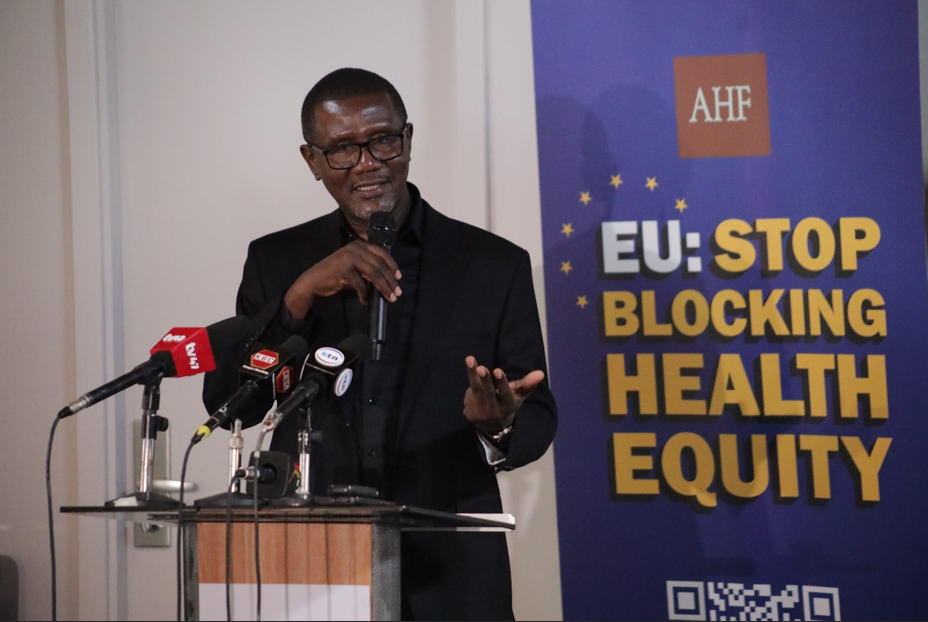
Aluso said Africa has developed significant expertise in pandemic preparedness and global health governance but it has been locked out of the negotiating room.
“If the PABS Annex fails to deliver, it will be because powerful countries chose extraction over cooperation.” He noted.