The Judiciary has launched a series of initiatives aimed at improving efficiency in case disposal and enhancing access to justice, including the introduction of Daily Non-Capital Plea Bargain Hearings and a special Court of Appeal session to handle long-pending civil matters.
Presiding over the launch of the plea bargain programme and the Judicial Training Institute (JTI) Mediation Unit, Principal Judge Lady Justice Jane Frances Abodo highlighted the importance of faster, structured case resolution in addressing case backlog and reducing remand congestion.
A total of 329 inmates from Kampala Remand Prison have already enrolled in the plea bargain programme, with hearings set to run daily across multiple Chief Magistrates Courts within the Kampala Metropolitan Area, including Buganda Road, Nakawa, Makindye, and Kawempe.
In parallel, the JTI Mediation Unit has taken on 28 cases from Nakawa Chief Magistrates Court, marking the operational rollout of mediation as a complementary dispute resolution mechanism. The initiative underscores the Judiciary’s commitment to promoting Alternative Dispute Resolution (ADR) and advancing a more people-centred justice system.
The launch attracted key stakeholders in the justice sector, including Justices David Matovu, Head of the Criminal Division, and Prof. Andrew Khaukha, Focal Judge for ADR, as well as the Director of Public Prosecutions, Mr. Lino Anguzu. Registrars, judicial officers, and representatives from institutions within the criminal justice chain were also in attendance.
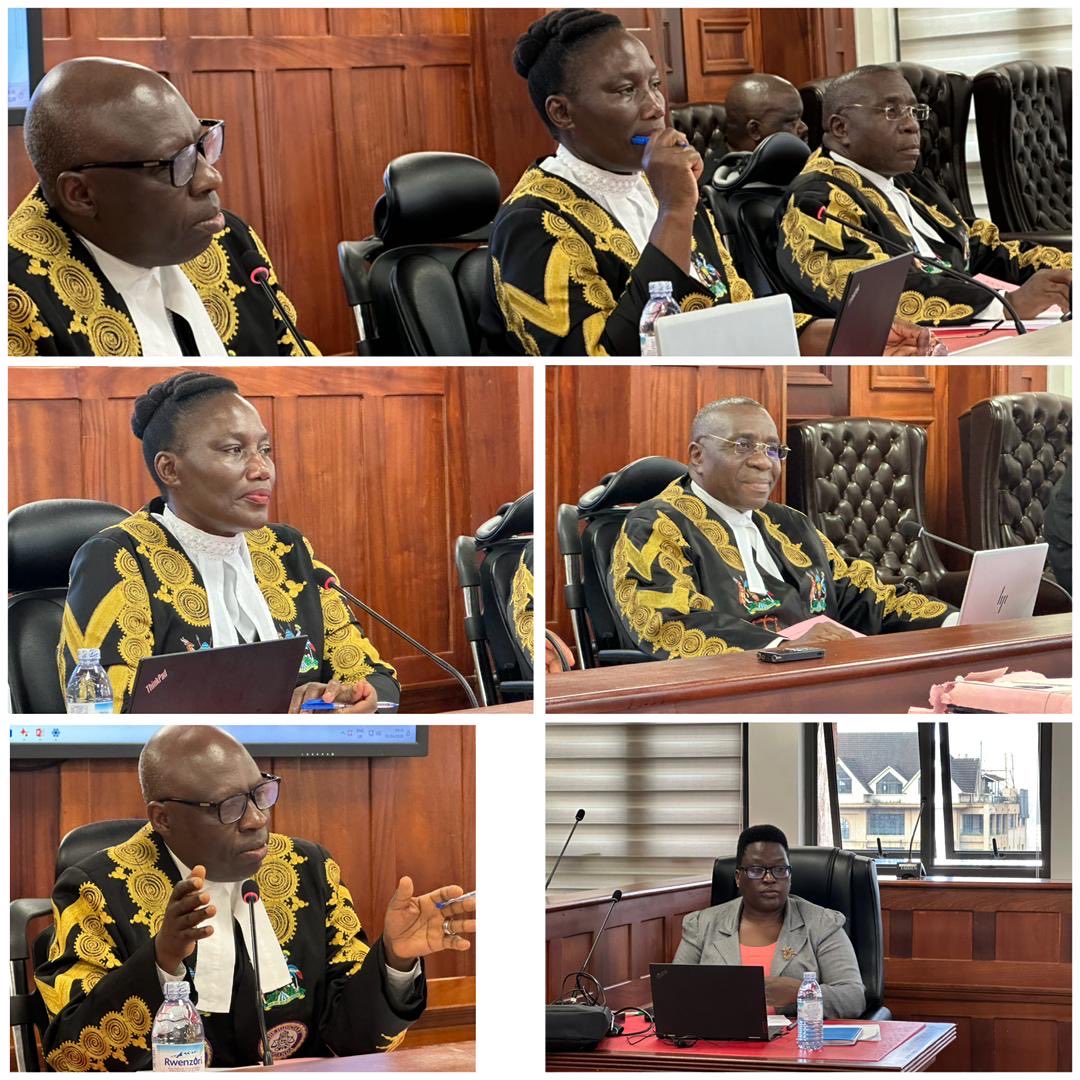
Meanwhile, the Court of Appeal sitting in Kampala has commenced a three-day Civil Appeals session running from Wednesday, 8th April to Friday, 10th April 2026. A total of 33 cases are scheduled for hearing, with priority given to matters that have remained pending for extended periods, some dating back to 2015.
The session is being presided over by a panel of Justices comprising Lady Justice Margaret Tibulya, Justice John Mike Musisi, and Justice Jesse Byaruhanga. The cases span a broad range of civil disputes, including land and property claims, mortgage disputes, breach of contract, judicial review, as well as claims involving damages, compensation, and wrongful appointment.
This combined effort reflects the Judiciary’s ongoing commitment to reducing case backlog, expediting justice delivery, and strengthening public confidence in the legal system.