By Samuel Ssenono
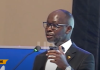
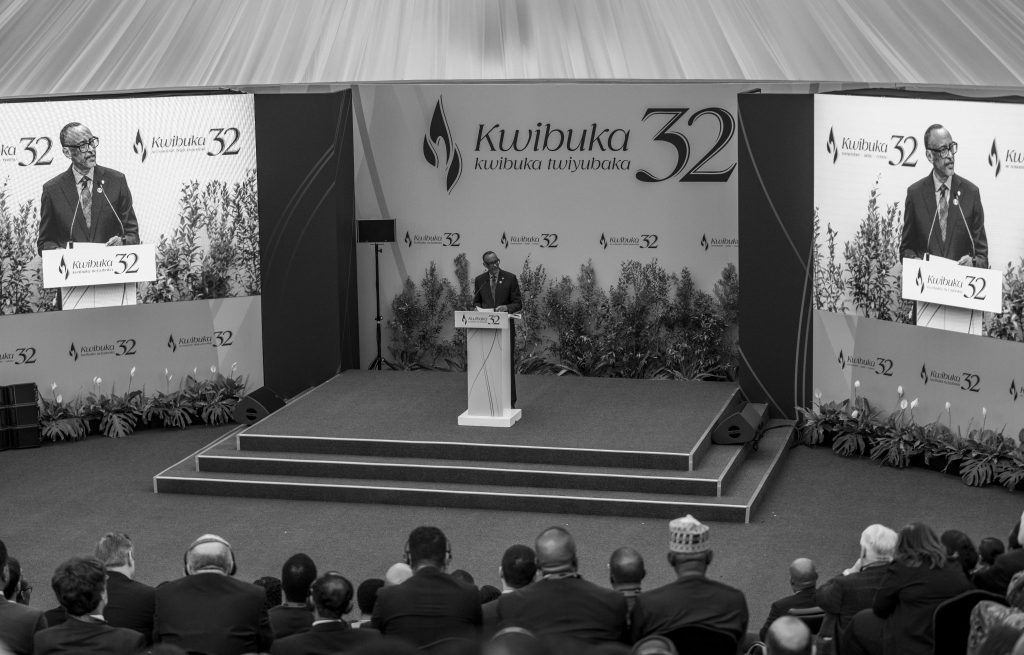
Rwandan President Paul Kagame has warned against genocide denial and distortion of history, saying Rwanda will not allow the events of 1994 to be repeated, as he addressed the Kwibuka commemoration.
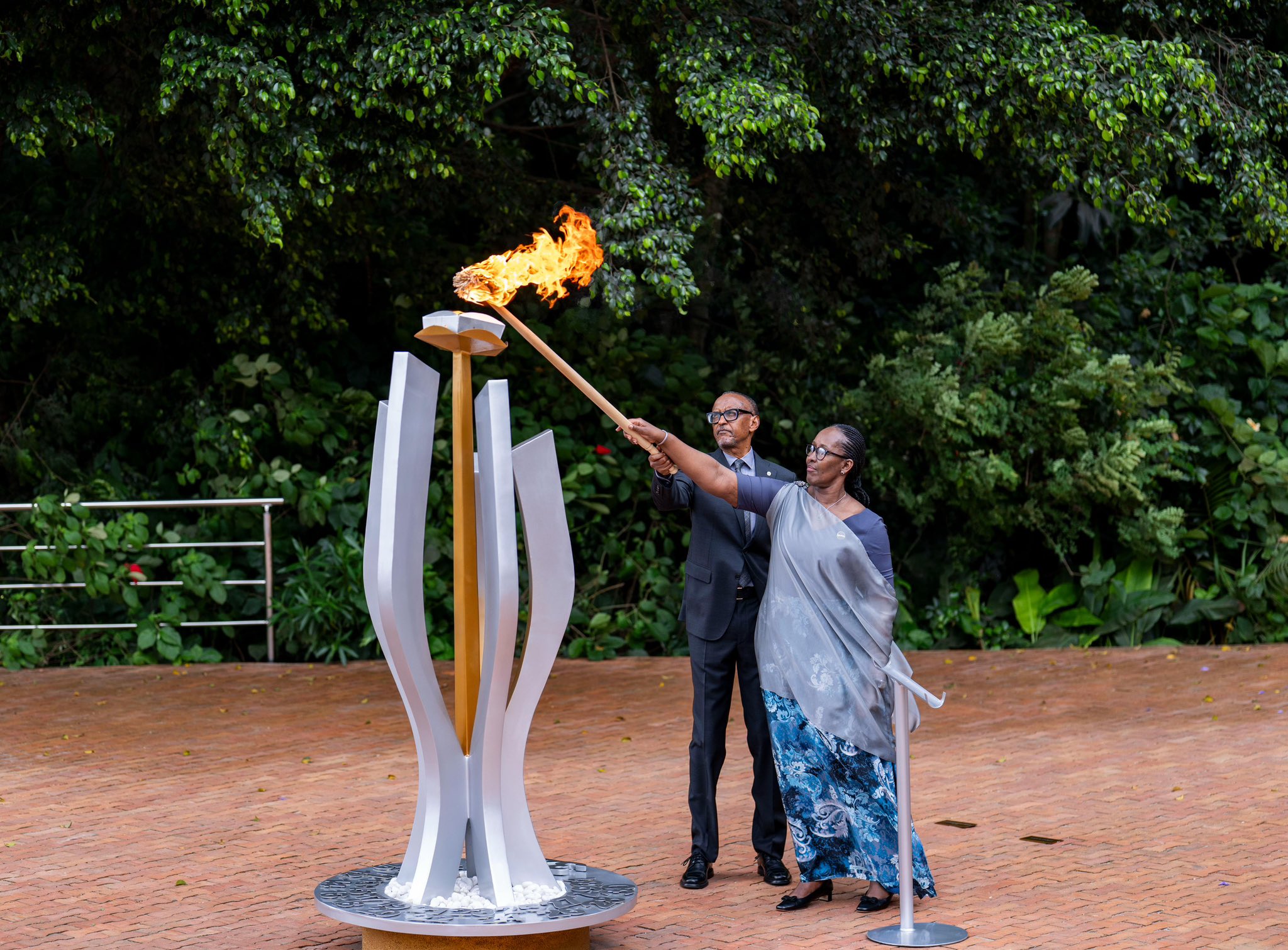
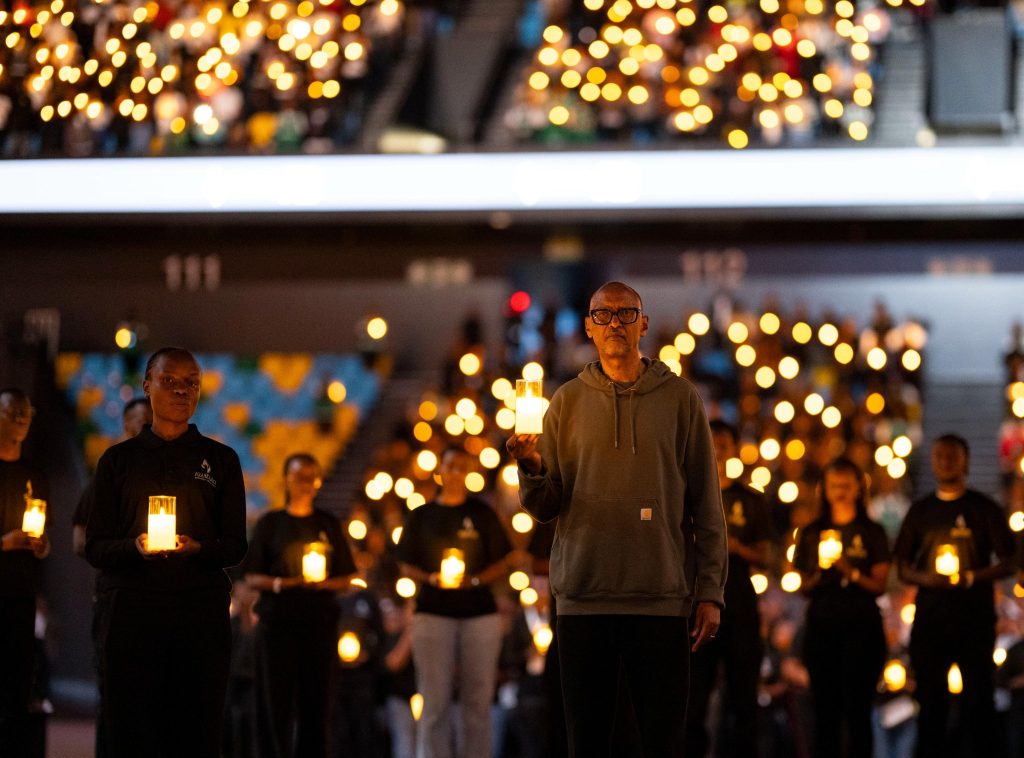
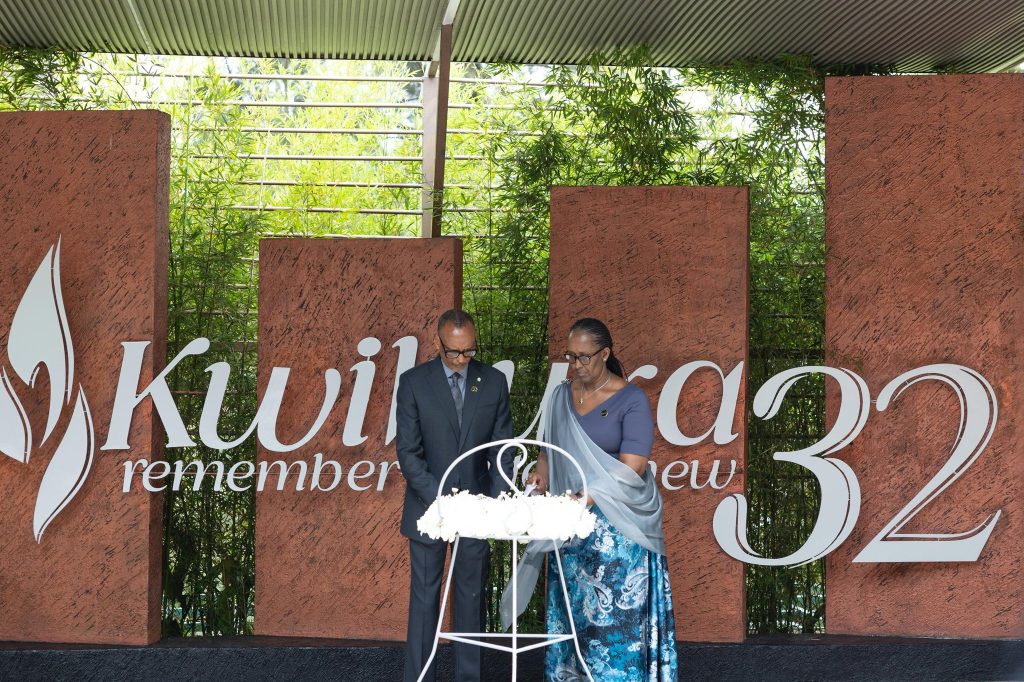
Kagame said remembrance remains central to Rwanda’s identity, describing it as a way of confronting the divisions that nearly destroyed the country and drawing strength from survivors.
He stressed Rwanda’s resolve to defend itself against any future threats, declaring: “This country will not die twice. Before anyone destroys Rwanda, Rwanda will defend itself.”
Kagame said survivor testimonies are rooted in lived experience and cannot be rewritten, warning that some actors continue to distort the history of the Genocide against the Tutsi for political or other reasons.
He said the genocide was not spontaneous but carefully planned, pointing to militia training, hate propaganda, weapons stockpiling and targeted killings that took place in plain sight. He cited earlier waves of violence in the 1960s, 1980s and early 1990s as part of a pattern that went largely ignored.
The president said warnings were issued well before 1994, including investigations that documented mass killings and reports highlighting the spread of propaganda portraying Tutsi as enemies. Intelligence shared with the United Nations in early 1994 about preparations for mass violence was not acted upon.
Kagame criticised the international community for failing to intervene decisively, noting that peacekeepers were withdrawn and foreigners evacuated as the killings escalated, leaving thousands of Rwandans exposed.
He said the lesson for Rwanda was clear: the country could not rely on others for its survival and had to take responsibility for its own security.
Kagame noted that it was the Rwandan Patriotic Army that eventually stopped the genocide, though he said one of the country’s deepest regrets is that it could not arrive earlier to save more lives.
He praised the Rwanda Defence Force, saying its character was shaped during the struggle to end the genocide and that it continues to earn respect in international peacekeeping missions. He said no external criticism or sanctions could undermine its integrity.
Kagame also pointed to ongoing security concerns, saying individuals and groups responsible for the genocide reorganised in eastern Democratic Republic of Congo and continued to launch attacks against Rwanda in the years that followed.
He said Rwanda’s current security measures are aimed at ensuring such threats can never materialise again, adding that the responsibility should not fall on Rwanda alone.
The president warned that genocide ideology remains a danger, saying denial often begins with hate speech, indifference and the normalisation of violence.
“Genocide cannot happen here again. It won’t,” Kagame said.
He called on African institutions to act more decisively in the face of threats, saying sovereignty should not be used to shield abuses or allow extremism to take root.
Kagame said Rwanda’s recovery has been built on unity and a shared commitment among its people to rebuild the country, adding that future generations deserve a secure, peaceful and confident nation.
He urged partners to support efforts to combat extremism, rather than criticising Rwanda for defending itself, and called for continued vigilance to prevent a repeat of the past.
Kagame concluded by calling on Rwandans and the international community to stand together not only in remembrance, but also in action