The National Council for Curriculum Development (NCDC) has requested Shs17 billion to facilitate a comprehensive review of the upper secondary school curriculum, alongside the printing and distribution of learning materials for Primary One to Three.
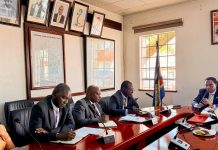
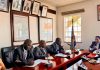
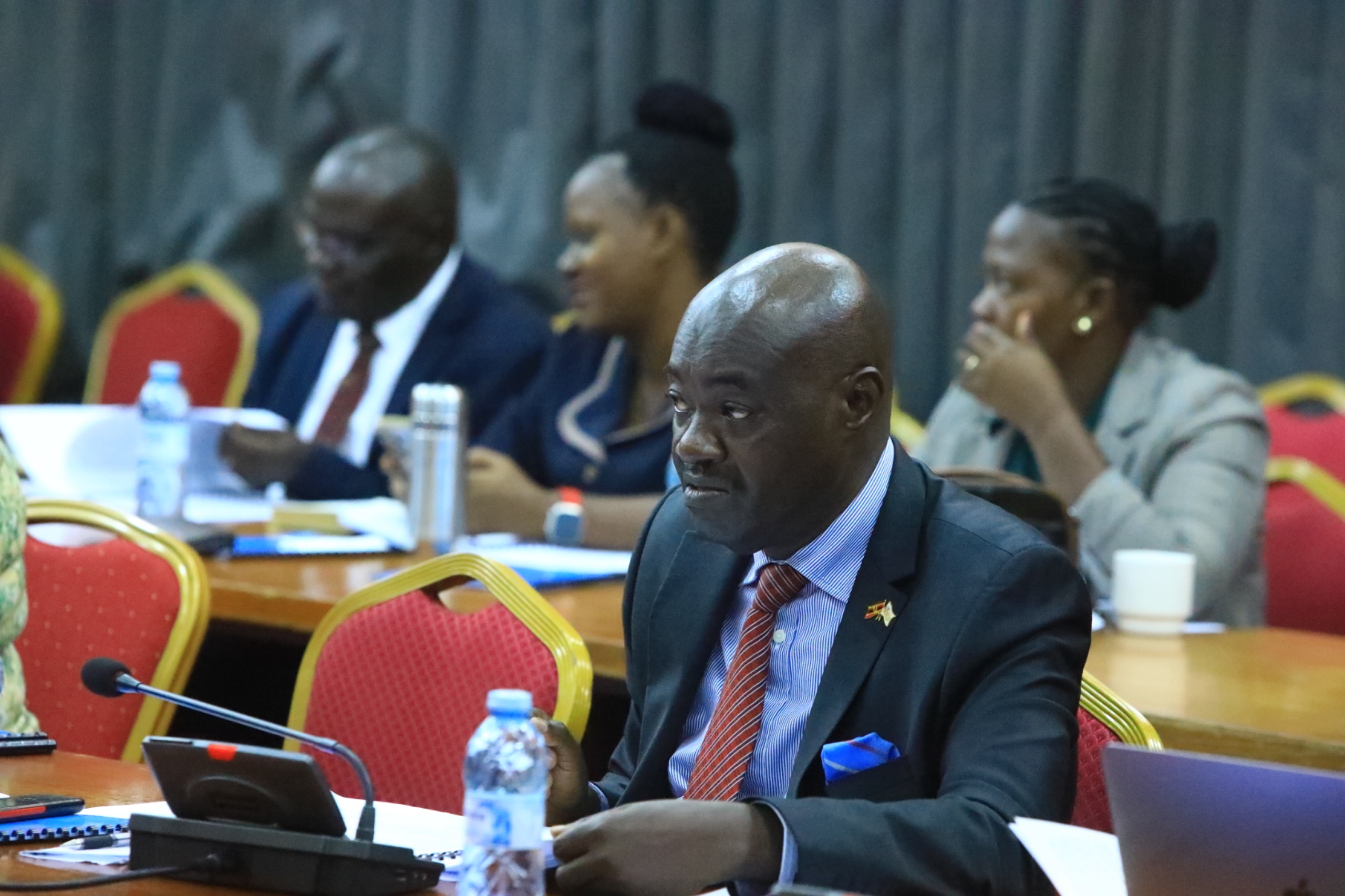
Appearing before the Committee on Education on April 8, 2026, the NCDC Director, Bernadette Nambi, revealed that the funding has not been provided for in the 2026/2027 national budget. She noted that the funds are also intended to support teacher training on the revised curriculum.
Nambi explained that the additional resources would help enhance the effective implementation of the curriculum while boosting staffing levels from 57 percent to 65 percent.
“The NCDC structure provides for 236 employees, but only 135 have been recruited. This has led to staff burnout, yet with the ongoing curriculum review, more personnel are needed,” she said.
She further highlighted that key operational priorities, including office accommodation and transport, are not catered for within the Shs41 billion allocated to the council for the next financial year.
The Chairperson of the Committee on Education, James Kubeketerya, tasked NCDC to strengthen public sensitisation on the revised curriculum, citing widespread confusion among teachers and parents.
“If you have a public relations office, let it triple its efforts because whenever I go to radio stations, people say they do not understand the new curriculum; it should be part of your outreach programmes,” Kubeketerya said.
Kashari South County Member of Parliament, Nathan Itungo, called on the council to provide detailed justification for the additional funding request.
“You have said that the primary curriculum is outdated and not well aligned with the lower secondary curriculum. Show us the errors, redundancies, and repetitions so that you can be supported,” Itungo said.
He also warned that limited staffing could undermine ongoing efforts to improve the quality of education.
Meanwhile, UPDF Representative in Parliament, Jennifer Alanyo, commended NCDC for rolling out the teaching of Kiswahili, noting that 956 teachers in the Eastern region have already been trained on the Primary Four Kiswahili curriculum. She urged the council to expand the initiative to other parts of the country.
The funding request comes at a time when the government is pushing for reforms aimed at improving the relevance and quality of Uganda’s education system.