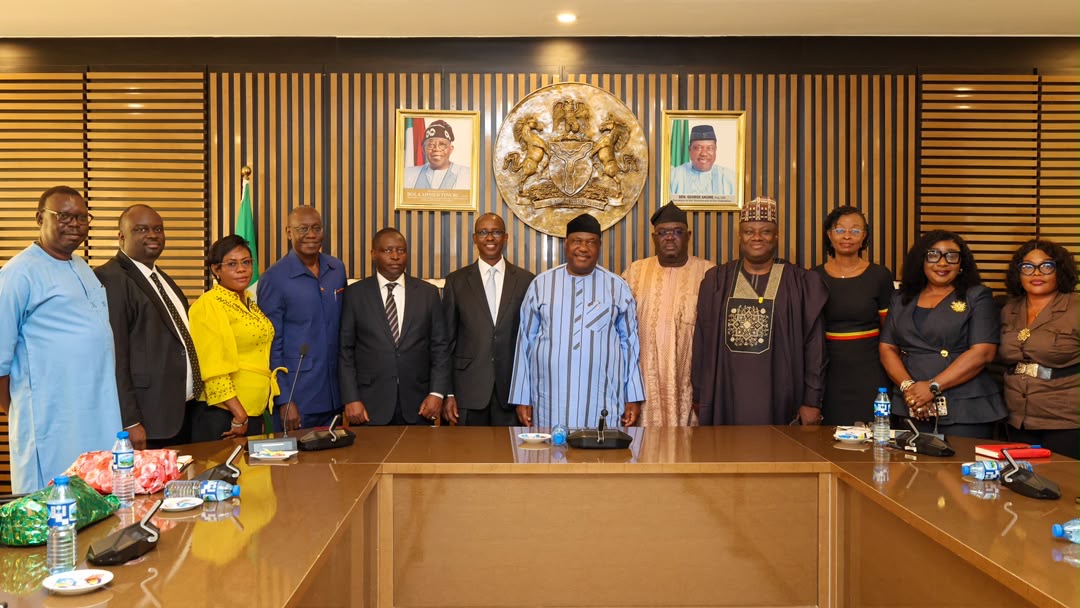
ABUJA, Nigeria — Uganda and Nigeria have begun efforts to strengthen trade and investment ties, with officials from both countries meeting in Abuja to translate their longstanding political relationship into practical economic cooperation.
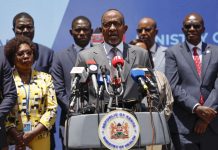
The Ugandan delegation was led by the Chairman of the Presidential Advisory Committee on Exports and Industrial Development (PACEID), Odrek Rwabwogo. It included the Minister of State for Industry, Hon. David Bahati; Uganda’s Acting High Commissioner to Nigeria, Amb. Philip Odida; Minister-Counsellor for Economic and Commercial Diplomacy, Dr Sam Omara; PACEID Head of Secretariat, Matthew Bagonza; Markets Director, Brenda Katarikawe Opus; and other technical officials.
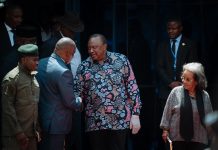
The delegation was received by Nigeria’s Secretary to the Government of the Federation, Senator George Akume, alongside senior government officials.
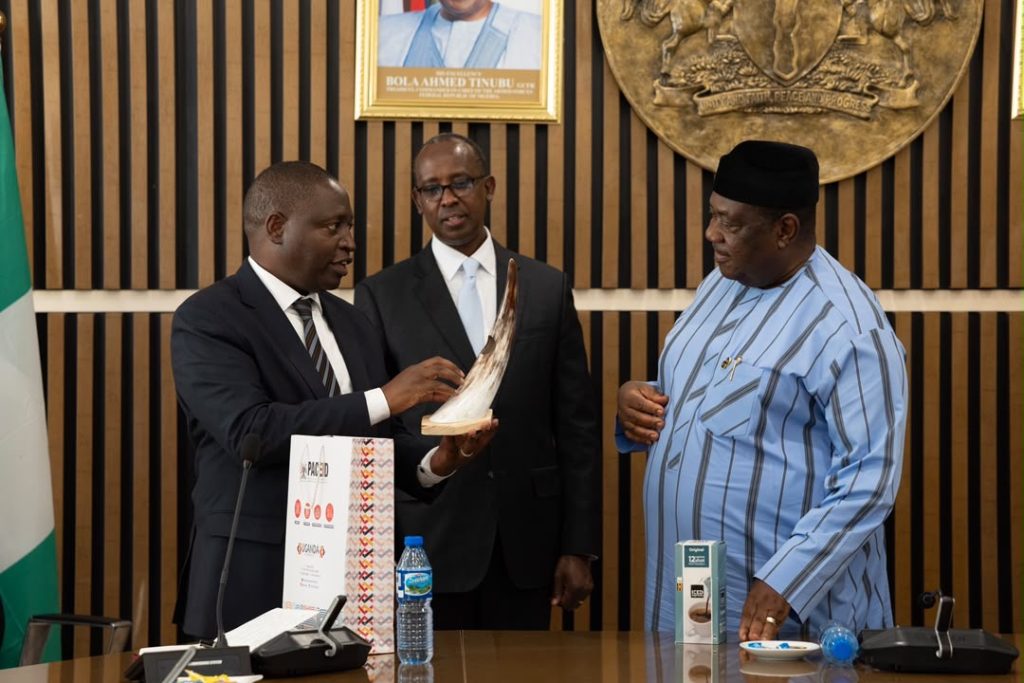
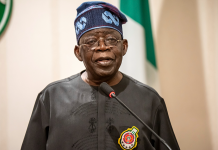
The meeting followed earlier discussions between President Yoweri Museveni and Senator Akume, who represented Nigerian President Bola Ahmed Tinubu at President Museveni’s inauguration in May 2026. It focused on implementing commitments made by the two leaders to expand bilateral economic cooperation.
Key issues discussed included operationalising the Uganda-Nigeria trade corridor under the African Continental Free Trade Area (AfCFTA), convening the Joint Permanent Commission, visa reciprocity, investment protection, the avoidance of double taxation, improved air connectivity and a proposed city partnership between Entebbe and Lagos.
Uganda also raised concerns over regulatory and non-tariff barriers affecting its exports to Nigeria. Products identified for the Nigerian market include ready-to-drink iced espresso coffee, powdered milk, black, green and herbal tea, beans, and locally manufactured pharmaceutical products.
Officials discussed challenges including product registration, certification by Nigeria’s regulatory authorities, standards compliance, AfCFTA rules of origin, import permits, customs procedures and the need to identify reliable Nigerian importers and distributors.
Uganda will submit its outstanding proposals and product-specific concerns through diplomatic channels, while the Nigerian government will coordinate consultations across relevant ministries and agencies responsible for trade, investment, immigration, customs, standards and regulation.
Both countries said the engagement is intended to establish a functional trade corridor that will increase market access, attract investment, create jobs and strengthen intra-African trade.