The 2026 CHOGM communiqué also calls for reforms to global financing, stronger trade cooperation, protection of journalists and greater investment in artificial intelligence.
Commonwealth Heads of Government have welcomed the United Kingdom’s agreement to enter structured discussions with affected parties over the transatlantic slave trade and its historical consequences.
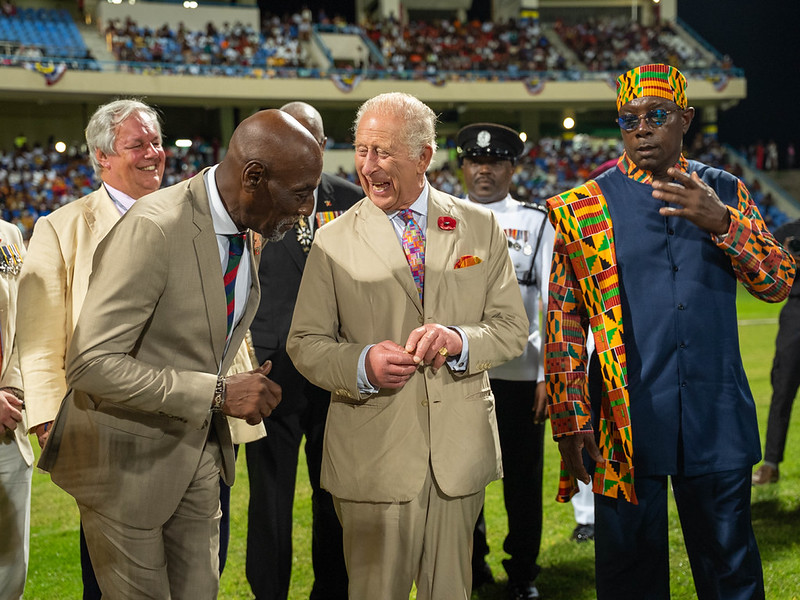
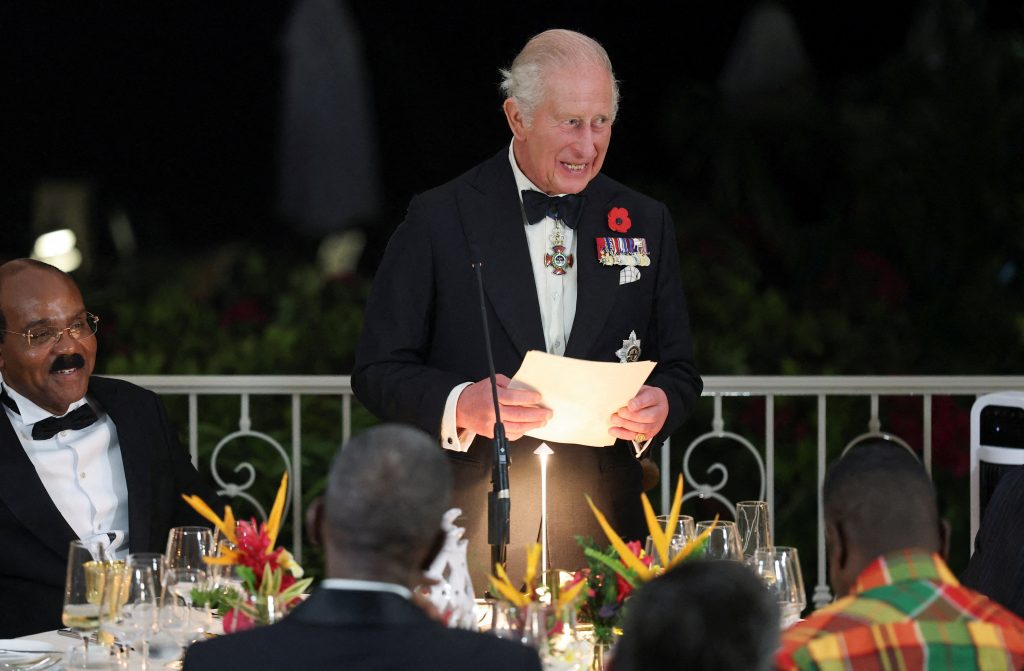
The decision is contained in the communiqué issued at the close of the 28th Commonwealth Heads of Government Meeting (CHOGM), held in St John’s, Antigua and Barbuda, from 1 to 4 November 2026.
The leaders welcomed Britain’s willingness to participate in a structured, time-bound, inclusive and good-faith dialogue on reparatory justice, following growing calls from African and Caribbean countries for recognition and redress of historical injustices.
The communiqué refers to developments since the 2024 Commonwealth summit in Samoa, including initiatives by the African Union and the Caribbean Community (CARICOM) to advance reparatory justice and the restitution of cultural heritage.
The leaders also noted the adoption of a United Nations General Assembly resolution recognising the trafficking and enslavement of Africans as the gravest crime against humanity.
While the communiqué does not establish a compensation mechanism or specify financial commitments, the proposed dialogue provides a framework for further engagement between Britain and affected countries.
Commonwealth calls for reform of global financial systems
Beyond reparatory justice, Commonwealth leaders called for changes to international financial arrangements to improve access to development and climate financing, particularly for vulnerable economies.
They expressed concern that Small Island Developing States, least developed countries and landlocked developing countries continue to face difficulties accessing affordable financing and participating in international trade.
The leaders supported reforms to debt sustainability frameworks that take account of climate vulnerability, including provisions allowing countries to suspend debt repayments during major crises.
They also called for increased private investment, improved domestic revenue collection and stronger international cooperation against illicit financial flows.
The communiqué supports the use of concessional financing, sustainable bonds, guarantees and other financial instruments to attract investment into climate-resilient infrastructure and development projects.
Leaders seek increased trade and investment
On economic cooperation, Commonwealth countries agreed to strengthen trade relations and reduce unnecessary barriers affecting the movement of goods and services between member states.
The leaders reaffirmed their support for the World Trade Organization and called for reforms to improve the effectiveness of the multilateral trading system.
They also endorsed efforts to increase trade and investment within the Commonwealth through improved transport connectivity, digital infrastructure and cooperation between businesses.
The communiqué welcomes the launch of the Commonwealth Trade Portal, intended to help businesses access information about products, services and commercial opportunities across member countries.
Particular attention is given to small businesses, including enterprises owned by women and young people.
The leaders also encouraged greater investment in processing critical minerals within producing countries to create skilled employment and increase the economic benefits retained locally.
Commonwealth raises concern over restrictions on journalists
The summit expressed concern about growing restrictions on civic and political freedoms, including measures targeting journalists, human rights defenders and independent civil society organisations.
The communiqué warns against the misuse of laws to criminalise legitimate activities, suppress dissent and restrict freedom of association.
Commonwealth leaders reaffirmed their commitment to implementing the 2024 Commonwealth Principles on Freedom of Expression and the Role of the Media in Good Governance.
They also supported strengthening the Commonwealth Ministerial Action Group, which addresses serious or persistent violations of the organisation’s political values.
The leaders welcomed plans for an early warning system to monitor indicators of democratic governance, political instability and institutional fragility.
The proposed mechanism would draw on existing regional and international systems, national institutions and civil society networks to support preventive diplomacy.
Artificial intelligence and digital access
The Commonwealth also committed to expanding access to digital infrastructure and strengthening education in artificial intelligence and emerging technologies.
The leaders acknowledged that many developing countries continue to face limited access to digital services, equipment and technical skills.
They called for investment in digital education, data literacy, vocational training and responsible use of artificial intelligence.
The communiqué encourages member countries to develop safeguards addressing cybersecurity risks, data protection and potential harm associated with artificial intelligence.
It also supports cooperation on the use of AI in education, healthcare, agriculture, climate resilience and public service delivery.
Special attention is given to developing countries that lack the computing infrastructure, financing and technical expertise required to participate fully in the growing AI economy.
Climate financing and renewable energy
Climate change featured prominently in the discussions, with leaders reaffirming their commitment to the Paris Agreement and efforts to limit global warming to 1.5 degrees Celsius above pre-industrial levels.
The Commonwealth called for greater access to climate financing, particularly for countries facing severe environmental risks and limited financial resources.
The leaders supported increased investment in renewable energy, electricity networks, battery storage and climate-resilient infrastructure.
They also reaffirmed support for global efforts to triple renewable energy capacity and double the annual rate of energy efficiency improvements by 2030.
The communiqué calls for a transition away from fossil fuels in energy systems while recognising the different economic circumstances of member countries.
Commitment to international peace and security
On international relations, Commonwealth leaders reaffirmed their support for international law, national sovereignty and the peaceful settlement of disputes.
They expressed concern about threats to humanitarian personnel working in conflict areas and called for stronger measures to protect them.
The communiqué also addresses territorial disputes involving Belize, Guyana and Cyprus, reaffirming support for their sovereignty and territorial integrity.
On Bangladesh, the leaders called for continued international assistance for more than 1.2 million displaced Rohingya and efforts to create conditions for their safe and voluntary return to Myanmar.
The summit concluded with a commitment to strengthen Commonwealth institutions and mobilise resources to support development programmes.
Held under the theme Accelerating Partnerships and Investment for a Prosperous Commonwealth, the meeting brought together leaders from an organisation representing approximately 2.7 billion people.
The leaders agreed that stronger economic cooperation, institutional reforms and sustained investment would be necessary to address the challenges facing Commonwealth countries.