Trade for Jobs Uganda and Swedish dairy technology company DeLaval have signed a collaboration agreement aimed at improving dairy productivity, milk quality and technology adoption, with the broader goal of strengthening enterprise competitiveness, increasing farmer incomes and creating more and better jobs across Uganda’s dairy value chain. The Letter of Intent establishes a framework for continued dialogue and the identification of practical, market-oriented opportunities for collaboration between DeLaval and Trade for Jobs Uganda, focusing on technology adoption, sector coordination and knowledge sharing
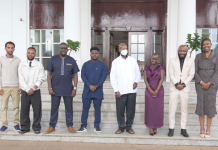
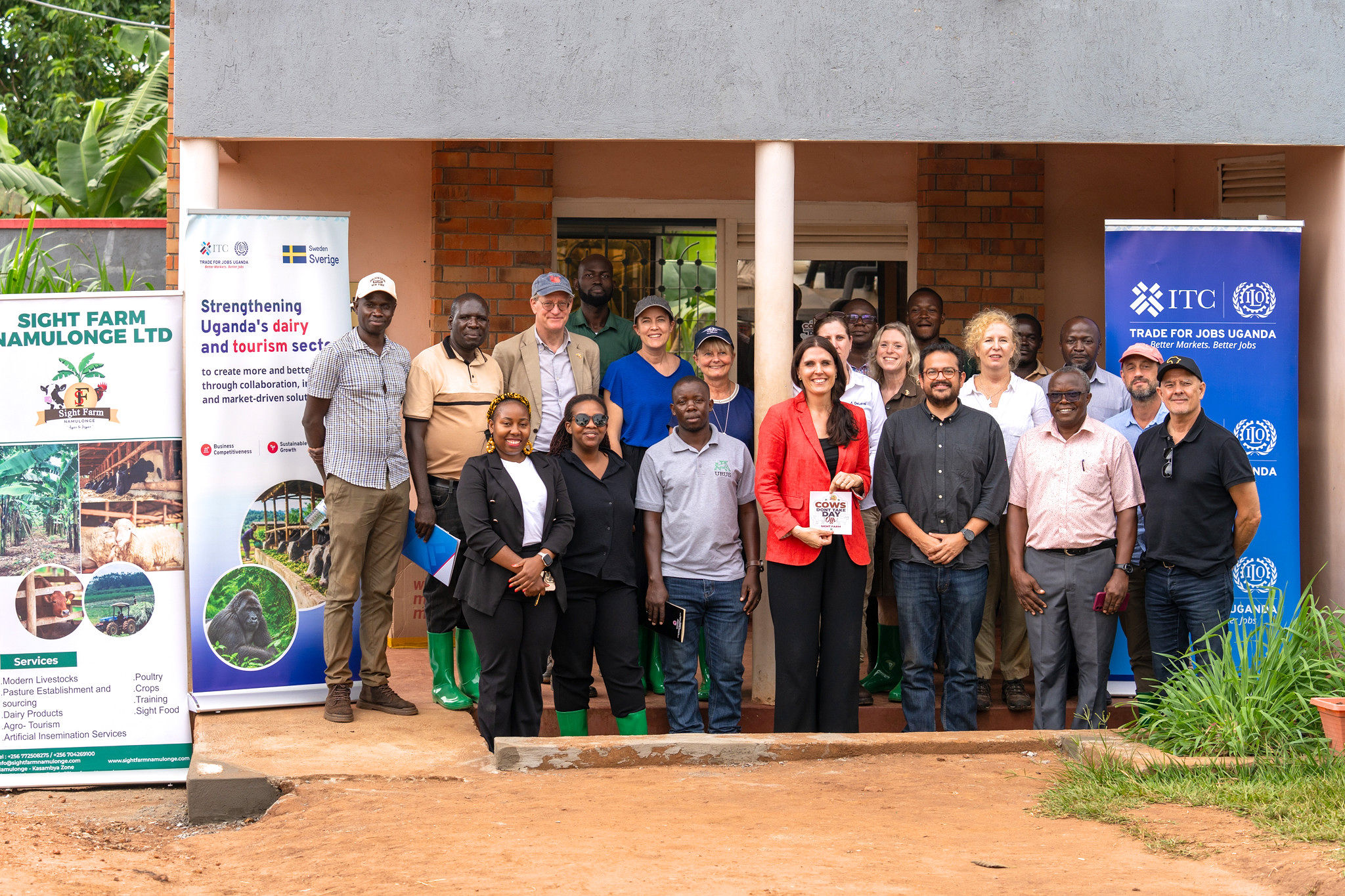
The signing took place during a field visit to Sight Farm Namulonge in Gayaza, Wakiso District, attended by a Swedish delegation, including H.E. Anna-Maria Olsson, Sweden’s Ambassador to Uganda. The delegation also had an opportunity to observe DeLaval milking technology in operation and engage with farmers on the opportunities and challenges associated with technology adoption.

Uganda’s dairy industry has experienced significant growth, with national milk production doubling from 2.7 billion litres in 2020 to 5.4 billion litres in 2024, according to the Ministry of Agriculture, Animal Industry and Fisheries (MAAIF). However, limited access to modern milking and cooling technologies, gaps in milk collection and quality management, and constraints in technology financing continue to affect productivity and competitiveness across the dairy value chain.
Under the proposed collaboration, DeLaval will contribute technical expertise and promote modern milking and cooling technologies to improve milk production, collection and processing. Trade for Jobs Uganda will provide technical assistance and capacity building to farmers, milk collectors and other market actors to improve milk quality, collection and storage. Both parties will explore opportunities to jointly test market-driven approaches that demonstrate the business case for technology adoption, encourage wider uptake and facilitate access to financing. Beyond technology adoption, the collaboration will also explore opportunities to strengthen connections among relevant market actors and convene stakeholder engagements to promote quality-based milk payment systems and improvements in dairy sector regulations. DeLaval could also facilitate access to relevant research, technology costs and data on production gaps to support evidence-based interventions.
“Uganda’s dairy sector has significant potential to generate more and better jobs, but realising this potential requires stronger connections between technology, investment and markets. Our engagement with DeLaval brings together complementary expertise to explore practical, commercially sustainable solutions that can strengthen dairy businesses and improve opportunities for farmers and workers,” said Fernando Martinez Cure, Chief Technical Advisor, Trade for Jobs Uganda.
“Improving milk quality and productivity starts with access to appropriate technologies and stronger farming practices. Through this collaboration, we see opportunities to work with local market actors to demonstrate the value of modern milking and cooling solutions, explore commercially viable approaches to technology uptake and support a more competitive dairy industry,” said Sherri Clark, Market Development Manager, Sub-Sahara Africa, DeLaval.
“Sweden’s partnership with Uganda promotes sustainable trade, private-sector development, and inclusive economic growth. Through programmes such as Trade for Jobs Uganda, we support stronger competitiveness and business growth. DeLaval’s engagement highlights how Swedish innovation can contribute to Uganda’s dairy sector while strengthening commercial partnerships and advancing long-term development,” said H.E. Anna-Maria Olsson, Sweden’s Ambassador to Uganda.
By connecting Swedish technological expertise with Uganda’s dairy industry, the initiative seeks to encourage sustainable technology adoption, strengthen market linkages and support a more productive, competitive and inclusive dairy sector.