Rising fuel prices are making it more expensive to move people and goods across Uganda. Boda boda riders, taxi operators and long-distance bus companies are paying more to stay on the road, and some are raising fares as passengers prepare for the festive season.
By Gloria Gwitabingi
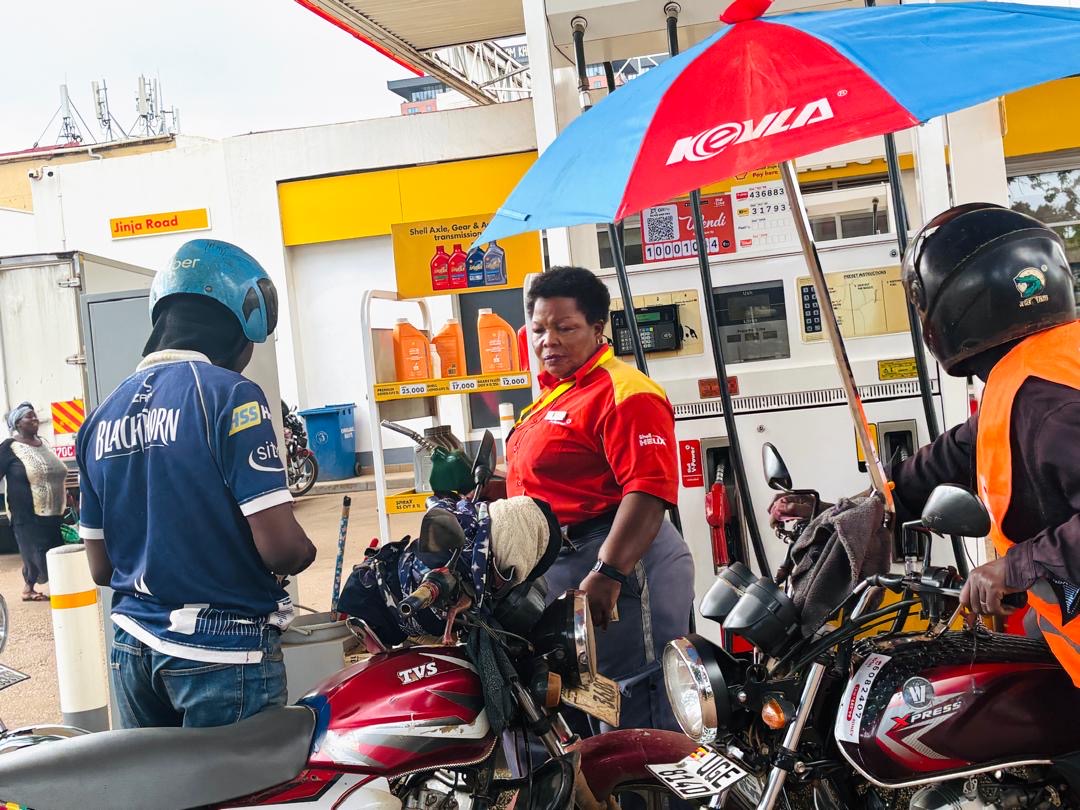
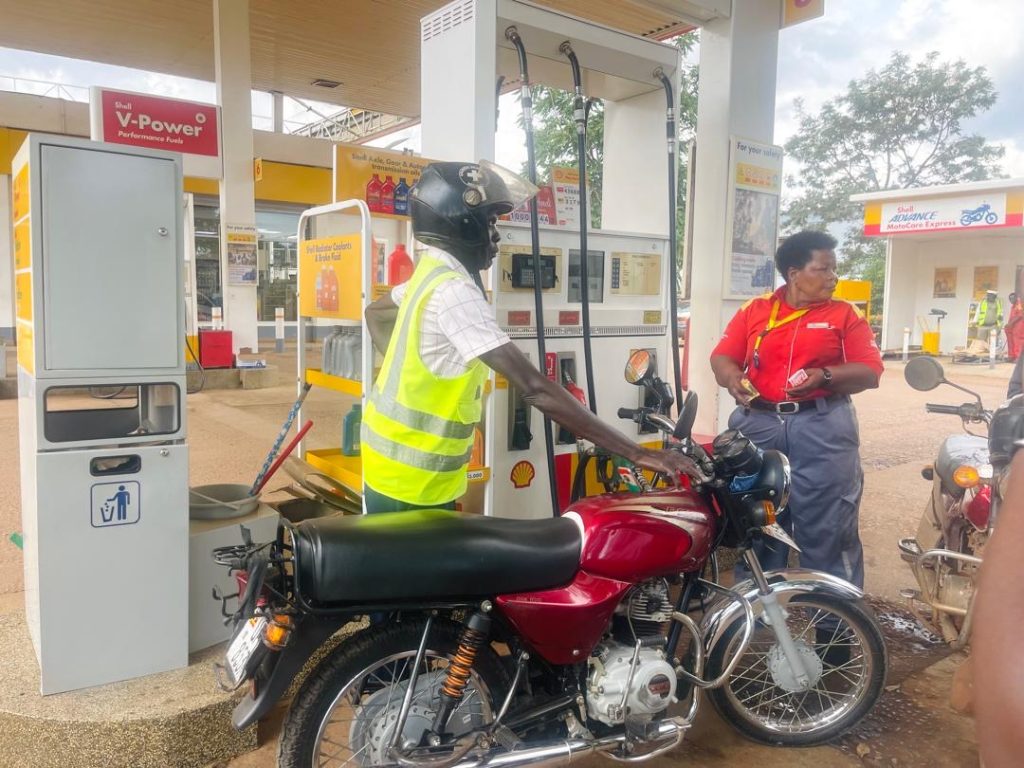
Ronald Kasibante has made a living riding a boda boda for close to three decades. He started in 1998, and the work has helped him raise his children and build a home in Kyampisi, Nakaseke district.
At 55, Ronald still rides in Kampala. He owns his motorcycle and has regular customers who call him directly for rides. Fuel and maintenance now take a bigger share of what he earns.
Ronald says he used to make about UGX 1,500 in profit on a trip. He now makes about UGX 500. His daily collections have fallen from about UGX 50,000 to UGX 40,000, out of which he pays for fuel, food and other daily expenses.
He has raised some fares to keep his business running. Some customers still insist on the old price, so he bargains with them over how much of the extra cost they can take on.
With his takings down and his daily expenses to cover, Ronald has had to put off finishing his house. He is now spending more time on his farm in Kyampisi, where he grows coffee, maize and yams. Farming gives him another way to earn when business is slow.
At Kampala’s New Taxi Park, Muyanja Musa, the chairperson of the Kibibi–Gombe stage, says operators are paying more for fuel, tyres and spare parts. Daily collections used to reach about UGX 200,000. Musa says the lower takings leave drivers, conductors and vehicle owners with less money to support their families.
Musa says operators know passengers are struggling to pay higher fares. He says the rising cost of keeping taxis on the road makes it harder to hold fares at the old rates.
On the Kampala–Hoima route, operator Mustaffa Katumba expects the fare to rise from UGX 25,000 to UGX 30,000 around 15 December. He says fuel and other running costs have gone up, and potholes and poor road surfaces add to the cost of operating vehicles on the route.
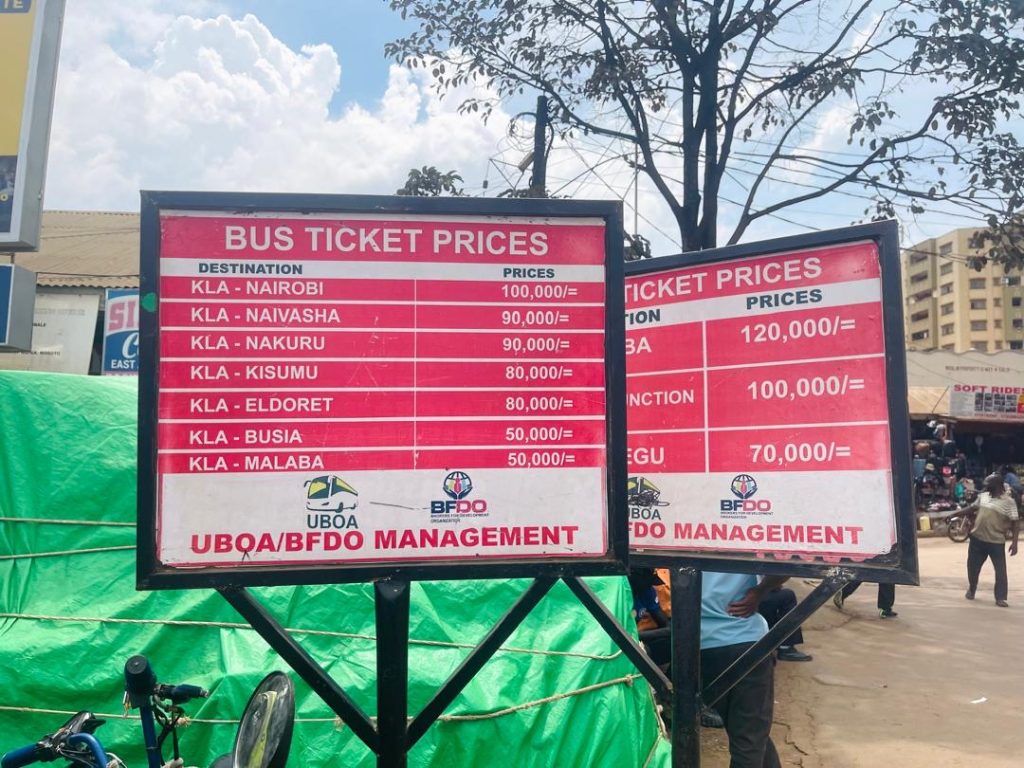
At Namayiba Bus Park, fare boards list UGX 100,000 from Kampala to Nairobi, UGX 90,000 to Naivasha and Nakuru, UGX 80,000 to Kisumu and Eldoret, and UGX 50,000 to Busia and Malaba. Passengers ask about prices and some bargain before deciding how to travel.
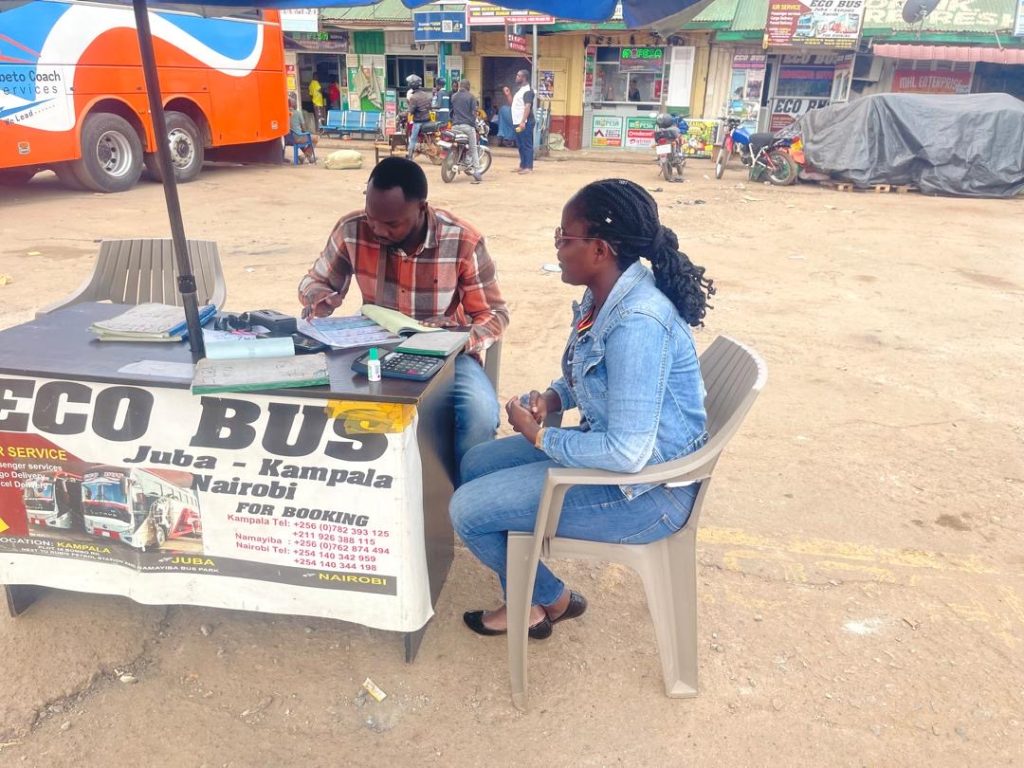
An employee at Itiak says the Kampala–Bujumbura fare has risen from UGX 120,000 to UGX 150,000. The company sometimes agrees to a lower fare after negotiation, she says. Passenger numbers have fallen since the increase.
Higher fares can mean paying more than planned or changing travel arrangements. One passenger heading to Burundi said the UGX 150,000 fare was beyond their budget and the trip was essential.
Fuel prices have risen in recent months as the shilling has continued to weaken against the dollar. MPs have questioned what is driving the pressure and accused the government of waiting too long to take steps to contain it.
The Bank of Uganda has raised both the cash reserve ratio and the central bank rate. The governor said the increase in the central bank rate from 9.75 per cent to 12 per cent was intended to curb spending by making shillings harder to access and borrowing more expensive.
Authorities are holding back from drawing on the country’s dollar reserves. They say global disruptions, particularly conflicts in the Middle East, have contributed to the pressure and may take time to ease.
The government hopes its measures will bring relief. With the festive season approaching, passengers are still working out what they can afford, and transport operators are deciding how much of the extra cost they can pass on.