David Mwanje
Bank of Uganda Governor Michael Atingi-Ego has called for a shift toward artificial intelligence and data-driven decision making to improve Uganda’s economic performance. Speaking at the 2025 Data Analytics, Artificial Intelligence and Data Governance Symposium at the Sheraton Kampala Hotel, he said the country should move from consuming digital technologies to using them to shape its economic future.
The Governor said AI can raise productivity, widen financial inclusion, and improve service delivery. He noted that the world produces large volumes of data, much of it unused. “In 2010, the world generated around two zettabytes of data. By 2024, it had reached 149 zettabytes. This is a massive opportunity waiting to be tapped,” he said. Atingi-Ego added that, if well managed, AI could add up to 20 trillion dollars to the global economy by 2030 and increase productivity by 40 percent by 2035.
He said Uganda can benefit in finance by improving credit access and risk management. AI tools, he noted, can analyse alternative data such as mobile phone usage and satellite images to assess creditworthiness for people without formal records. “This can help reach populations previously excluded from the financial system,” he said, citing Kenya’s FarmDrive and Uganda’s Ensibuuko.
The Governor said the central bank is exploring AI in digital payments and studying a possible central bank digital currency. He warned about risks such as algorithmic bias and misuse of data. “At the Bank of Uganda, we are developing an AI Governance Framework to ensure that all AI applications meet high standards of fairness, transparency, and accountability,” he said.
Dr Atingi-Ego said progress will require investment in data centres, reliable electricity, and fast internet. He noted global AI investment reached 110 billion dollars in 2024, mainly in the United States and China, and said Uganda can attract investors by strengthening digital systems and governance.
Beyond finance, he pointed to uses in agriculture, health, and education. He said AI can support weather prediction and reduce post-harvest losses, assist diagnosis where specialists are few, and help personalise learning.
The Governor called for investment in human capital. “Uganda must reorient its education system for a digital-first future, promote national upskilling programs, and support young innovators,” he said, adding that the central bank has started training staff in data analytics and programming. He described AI as a tool for prediction, with human judgment remaining essential. “We need to combine the best of both,” he said.
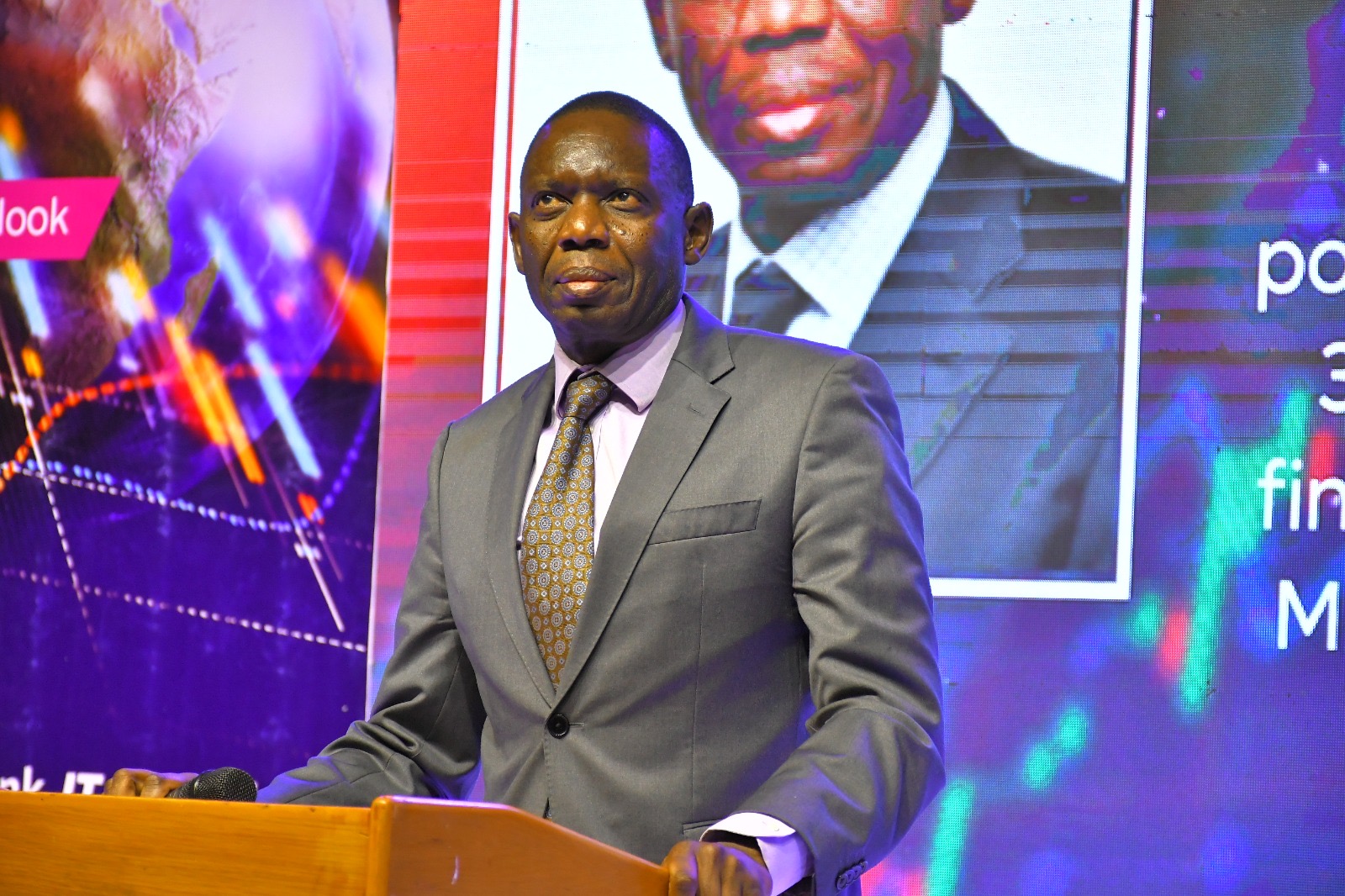
Victoria University Vice Chancellor Prof. Lawrence Muganga said Uganda must embrace AI to stay competitive. “AI isn’t the enemy; it’s the upgrade,” he said. He argued that adoption in education and media can open opportunities and raise productivity, and urged institutions to equip Ugandans with digital skills.