By Sarah Mawerere
As the world marks the “World Soil Day” on 5th December 2025, Africa is struggling with food insecurity due to soil degradation resulting from soil erosion, climate change, poor farming practices, among others.
Restoring and protecting the soils is no longer optional; it is the foundation for Africa’s food sovereignty, rural livelihoods, and a resilient future.” This was organized by International Fertilizer Development Center (IFDC)-an organization responsible for soil protection based in Cotonou,
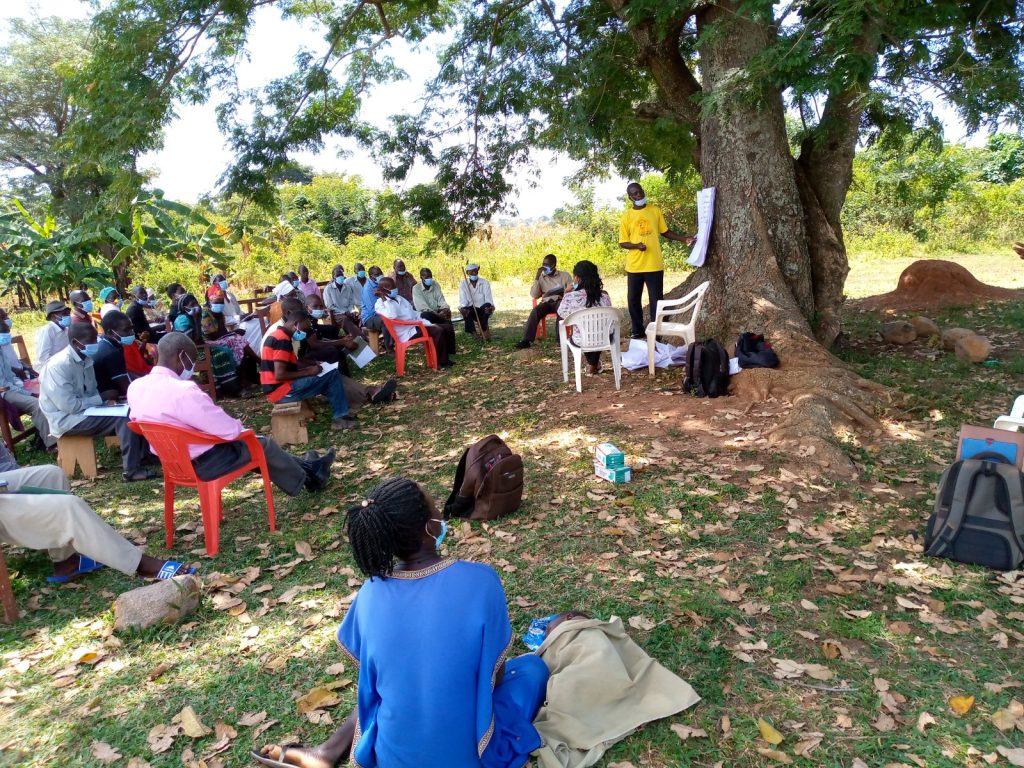
African Journalists for Health and Environment under their REMAPSEN Network, have been informed of how it is important to restore soil and avert soil degradation for a healthy resilient future.
While delivering his speech to the media group on the Theme: Healthy Soils For a Resilient Future: Transforming Evidence, Partnerships and Inclusion into Action, Prof. Eric Smaling -a soil fertility specialist with experience in Africa, noted that integrating soil fertility management that includes a combination of manure or fertilizer application replenish the soil.
In part of the discussions, some participants advised that inorganic fertilizers require better and recommended quantity in order to ensure sustainable soils for the future.
Prof. Smaling therefore, called for the creation of technology solutions with farmers that can guarantee them a better sustainable use of soils. He cited an example of Zai technology on hardened plinthite used in West Africa which involves digging of holes and putting manure.
He further underscored the importance of private sector engagements and communities for skills development, while emphasizing how important it is to involve young people who are still capable to escalate this, and yet can make business out of it. “Investing in young people in such technologies is no doubt the best way to escalate this and can turn out to be business for them”. He alluded to it.
Meanwhile, IFDC Deputy Director –Partnerships- Nassourou DIALLO, was intentional on issues of gender and resilience. “Improve resilience of small holder farmers especially women who are key in farming and food production”. He said.
He cited countries like Burkina Faso, Mali and Niger that face such unprecedented climate conditions still survive.
In Uganda, the latest National Population and Housing Census 2024 of the 45,905,417 people, agriculture is country’s backbone, supporting over 70% of the population, mainly in rural areas, contributing significantly to GDP (around 24%) and exports (42%), with most households (61%) in crop farming, often for subsistence (53%), highlighting its crucial role in livelihoods despite slow growth and infrastructure challenges.
With degrading soils, such a country to suffer a terrible setback and the only way is to restore soil like ensuring minimum tillage, covering of land with crop residues and irrigation, since without fertile or healthy soil, there is no food.
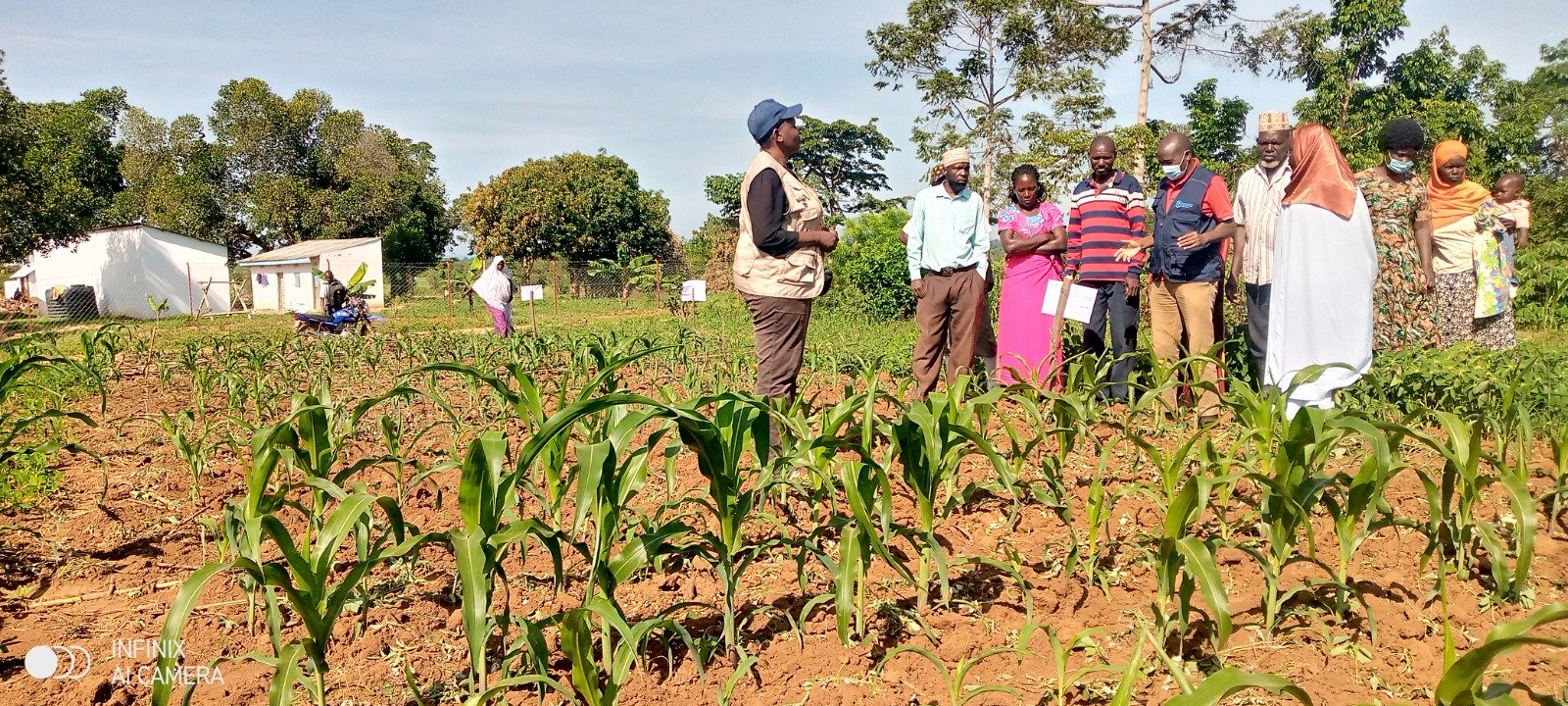
Uganda however adopted the Climate Smart Agriculture Strategy whereby farmers in over hundred districts now implement a range of sustainable land management practices that include digging of permanent planting basins (holes), digging terraces and small scale irrigation to restore the soil’s health while creating sustainable livelihoods.