By Arnold Mark Wadulo
The Uganda Free Zones and Export Promotions Authority (UFZEPA), established following the merger of the Uganda Free Zones Authority and the Uganda Export Promotion Board in 2024, has prioritized a critical reform agenda focused on harmonizing national Special Economic Zone (SEZ) policies with regional frameworks under the East African Community (EAC) and the African Continental Free Trade Area (AfCFTA). This regulatory alignment drive is central to UFZEPA’s ambition of positioning Uganda as Africa’s manufacturing and export hub.
A major constraint to achieving this vision is the limited harmonization of Uganda’s Free Zones Programme with regional frameworks, which has weakened the effective implementation of incentives and reduced the country’s competitiveness compared to peer economies. Currently, Uganda is implementing only three of the fifteen incentive schemes provided for under the EAC framework. This gap has constrained the full exploitation of regional market opportunities.
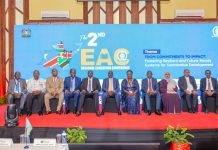
To address these challenges, UFZEPA is actively participating in EAC and AfCFTA policy-alignment engagements, working closely with regional blocs to streamline SEZ regulations. By aligning national frameworks with regional standards, the Authority aims to deepen Uganda’s integration into continental supply chains while leveraging the country’s strategic location at the heart of Africa.
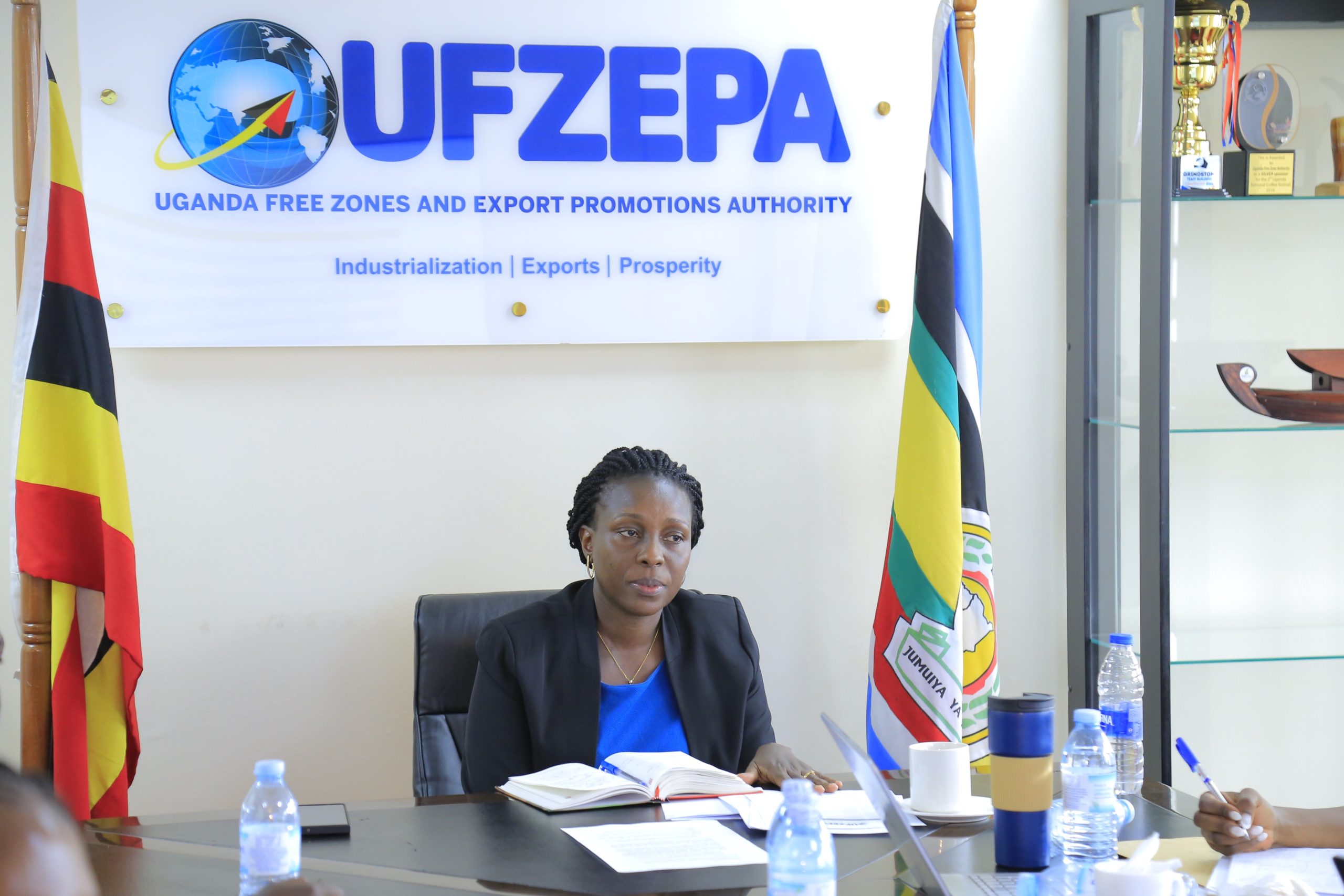
Speaking during a recent stakeholder engagement with prospective developers, UFZEPA officials emphasized that harmonization also extends to internal compliance and sustainability standards. Rebecca Nalumu, Senior Manager for Special Economic Zones Operations and Compliance at UFZEPA, said:
“One of our key policy harmonization initiatives is the development of an ESG framework to standardize Environmental Impact Assessment (EIA) procedures, with the aim of enabling the smooth establishment of Free Zone developers in Uganda.”
She noted that this approach ensures compliance with national environmental laws while aligning with international best practices, a move expected to attract high-quality and sustainable investments.
Reflecting on Uganda’s longstanding role in regional trade facilitation, Hez Kimoomi Alinda, Executive Director of UFZEPA, highlighted the country’s early adoption of regional trade instruments:
“Uganda began implementing the EAC Customs Union Protocol alongside export promotion schemes and Special Economic Zones as early as 2014. By that time, the country had already established industrial parks and was implementing the regional customs framework under the East African Customs Management Act.”
This ongoing regulatory overhaul is expected to accelerate Uganda’s shift from exporting raw materials to finished goods and services. By ensuring that SEZs operate efficiently and in full compliance with regional trade protocols, UFZEPA is strengthening Uganda’s capacity to serve as a reliable supplier to neighboring markets while building momentum for deeper participation in intra-African trade. Ultimately, these reforms are expected to reduce trade bottlenecks, simplify export procedures, and significantly enhance the competitiveness of Ugandan enterprises.