The Ministry of Tourism, Wildlife and Antiquities has requested Shs10 billion to acquire a helicopter, which officials say will enhance monitoring and protection activities within national parks.
The ministry’s Undersecretary, Godfrey Sseremba, explained that the aircraft would improve aerial operations such as patrols, wildlife monitoring, animal population counts, and emergency interventions, especially in cases where animals are trapped in poachers’ snares.
He noted that the absence of a ministry-owned helicopter has made these operations expensive, slow, and difficult to coordinate. The proposed funding, he clarified, is strictly for the purchase of a new aircraft rather than its upkeep, and would significantly boost conservation and rescue efforts.
Currently, the ministry relies on hired helicopters, a practice Sseremba described as both costly and unpredictable, particularly during periods of heightened conservation activity.
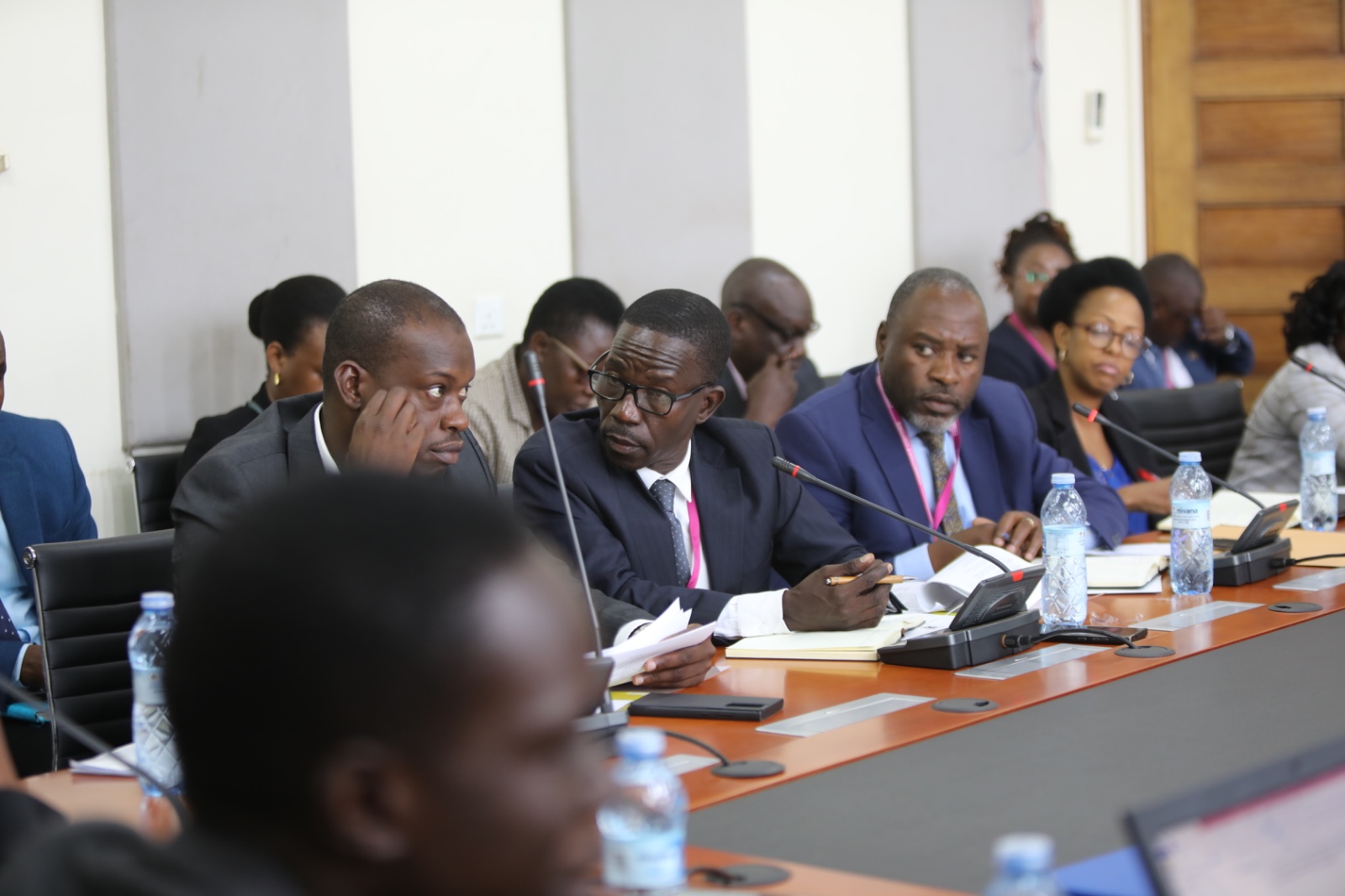
The funding proposal is outlined in the ministry’s Budget Framework Paper for the 2026/2027 financial year and was presented to the Committee on Trade, Tourism and Industry by the sector minister, Hon. Tom Butime, on Tuesday, 27 January 2026.
Lawmakers expressed support for the request, citing tourism’s strong contribution to the national economy. The committee was informed that tourism generated Shs12.2 trillion in 2025, driven largely by approximately 1.65 million international visitors.
However, legislators raised concerns over the operational challenges facing Uganda Airlines, cautioning that any disruptions could threaten the sector’s growth, which depends heavily on foreign tourists. Committee Chairperson Hon. Sylvia Nayebale questioned whether contingency measures were in place to protect tourism should airline operations be affected.
In response, State Minister for Tourism Hon. Martin Mugarra said the national carrier has played a key role in boosting tourist numbers and emphasized the need to urgently resolve its current challenges. He revealed that Uganda Airlines serves 17 destinations and accounted for about 27 per cent of tourist arrivals in 2025, warning that continued instability could erode progress made in marketing Uganda as a competitive tourism destination.