By Faridah Nanfuka
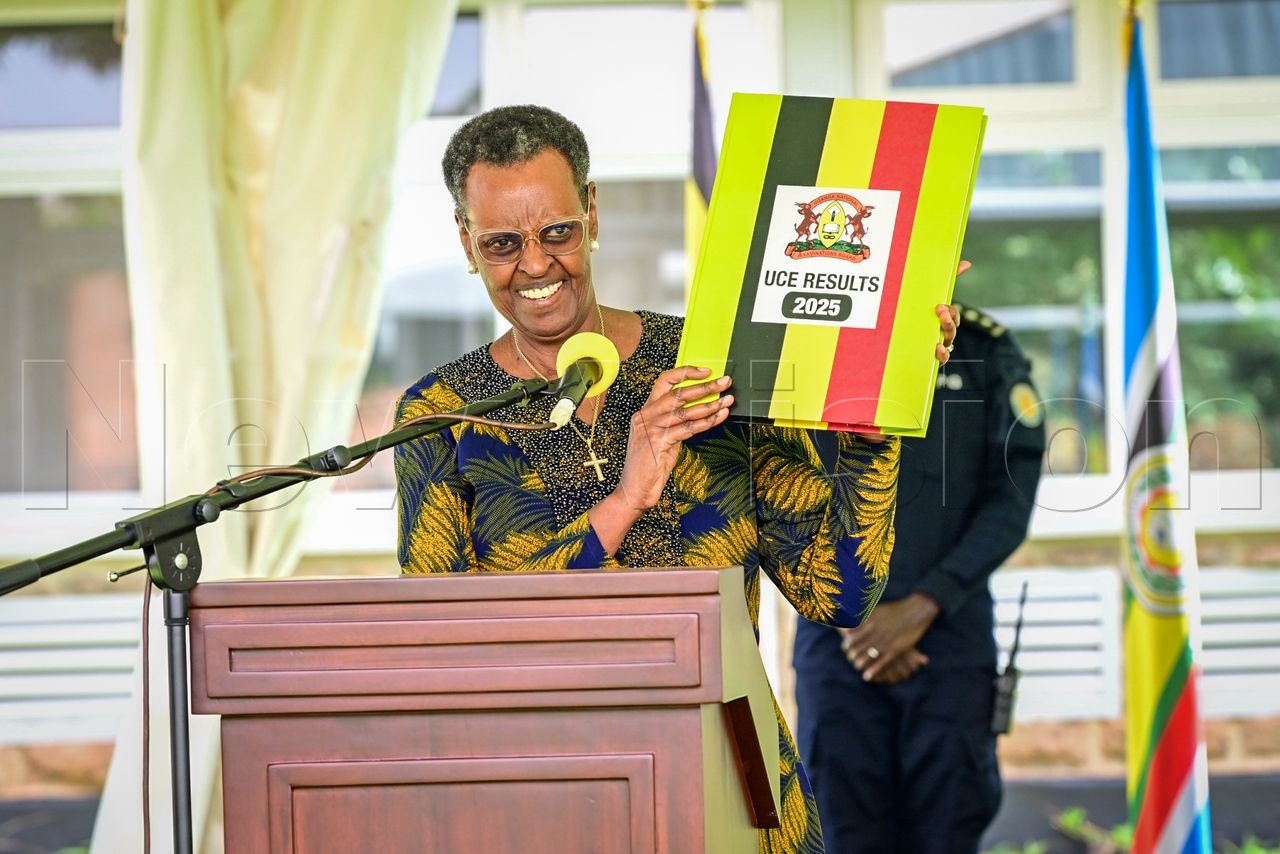
Uganda’s transition to the Competency-Based Curriculum (CBC) is beginning to reflect in national assessment outcomes, with the Uganda National Examinations Board (UNEB) reporting improved overall performance and a sharp increase in the number of candidates who sat the 2025 Uganda Certificate of Education (UCE) examinations.
In the official statement releasing the results, UNEB said 432,163 candidates registered for UCE 2025 from 3,975 examination centres, representing a 20.2 percent increase from 359,417 candidates in 2024. Of those registered, 429,949 candidates (99.5 percent) sat the examinations, continuing a downward trend in absenteeism.
Nearly All Candidates Qualify for UCE Certificate
According to UNEB, 428,628 candidates, representing 99.69 percent of those who sat, qualified for the UCE certificate (Result 1), a notable improvement compared to 2024. The proportion of candidates who did not qualify dropped sharply to 0.31 percent, down from 1.9 percent the previous year.
Under the Competency-Based Curriculum, results are reported using achievement levels graded A to E, reflecting levels of competency rather than traditional scores. UNEB said more learners attained grades C and above across most subjects in 2025, indicating stronger overall mastery of competencies.
Sciences Post Gains, Practical Skills Still a Challenge
Performance in science subjects showed encouraging improvements compared to 2024, with a reduced proportion of candidates failing to attain at least the basic competency level (Grade D) in Physics, Chemistry and Biology. UNEB examiners, however, noted that many learners still struggle to connect practical experiments to real-life applications.
According to examiners’ reports, candidates showed difficulty in interpreting scenarios, linking experimental materials to everyday contexts and drawing meaningful conclusions from investigations, underscoring gaps in applied learning under the CBC approach.
Female Candidates Edge Ahead in Languages
Gender-based analysis shows that female candidates outperformed males in English Language and Christian Religious Education, while performance in most other subjects was broadly comparable between male and female candidates. UNEB noted that the modal achievement level across compulsory subjects remained Grade C (Satisfactory)for both genders.
Special Needs and Prison Candidates Record High Pass Rates
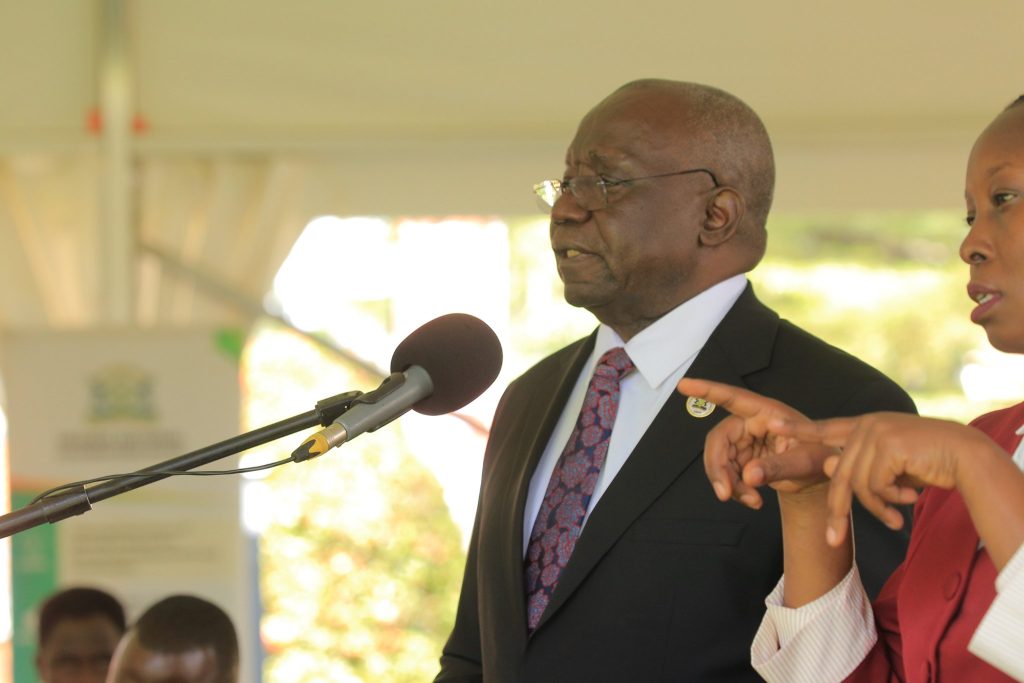
UNEB reported strong outcomes among special candidate groups. Of the 708 Special Needs Education (SNE) candidates who registered, 695 candidates (98.2 percent) qualified for the UCE certificate. These included learners who are blind, deaf, dyslexic, visually impaired and physically handicapped, all of whom were provided with modified examination arrangements, including Braille papers, sign language interpreters and extra time.
All prison inmate candidates who sat the examinations at Luzira Upper Prison and Mbarara Main Prison also qualified for the UCE certificate, highlighting continued access to formal education for incarcerated learners.
Low Levels of Examination Malpractice
UNEB reported 63 cases of examination malpractice, mostly in Mathematics and science practical papers. The board said these cases largely involved candidates being improperly assisted with experimental results by teachers, which was detected when reported results did not align with candidates’ investigation designs. UNEB noted that the structure of CBC assessments makes malpractice more difficult, as candidates are required to design and interpret experiments based on given scenarios.
Candidates Rate Exams Fair and Within Syllabus
Feedback from 36,546 candidates across 118 districts indicated that 96.3 percent found the examination questions to be within the syllabus, 88.2 percent said the questions were clearly presented, and 74.7 percent felt the time allocated was adequate. While 66.4 percent rated the exams as fair, 28.8 percent found them difficult.