By Samuel Ssenono
There’s been a wave of reaction following the Uganda Airlines Johannesburg–Entebbe incident, driven largely by one question: how does a bird strike happen nearly 45 minutes into a flight, and why didn’t the aircraft turn back immediately?
Both questions come down to how flight operations actually work.
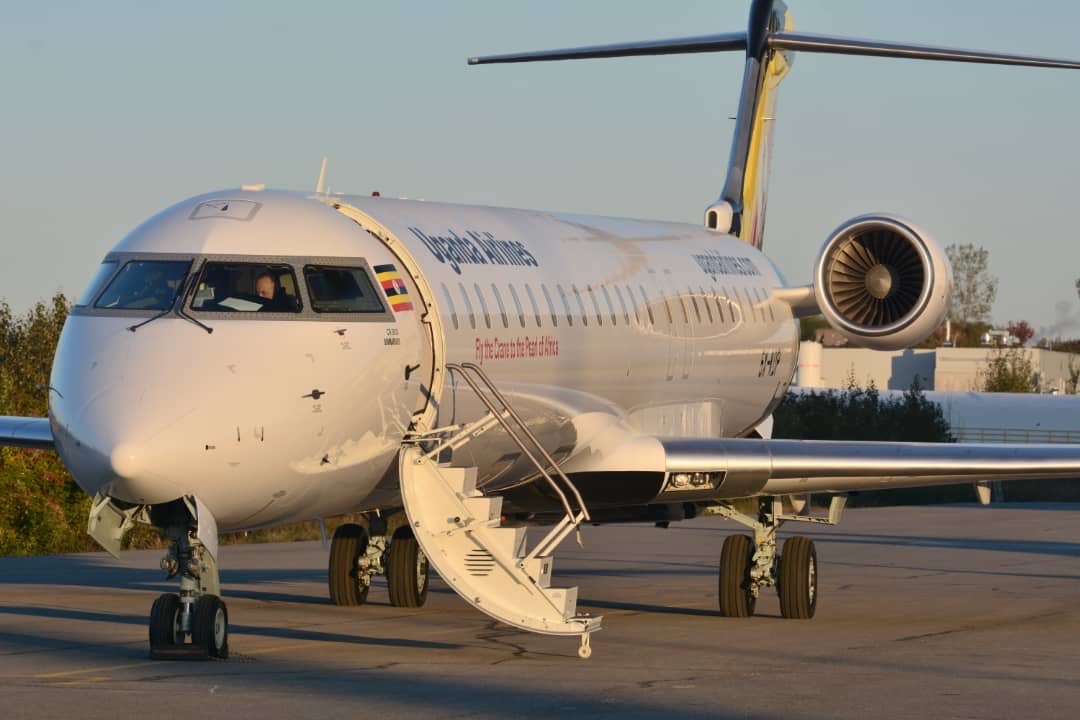
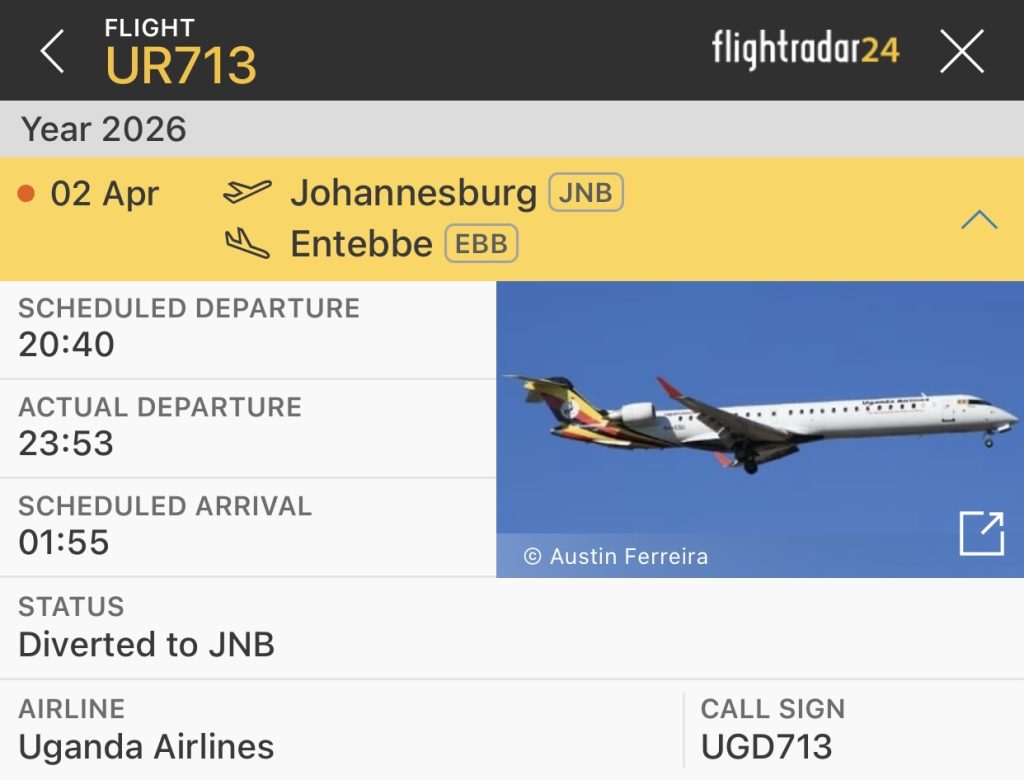
Uganda Airlines confirmed that flight UR713 returned to Johannesburg after a bird strike damaged the cockpit windscreen. The aircraft landed safely. That is the key outcome.
Passenger accounts help explain what unfolded onboard. Among them, Simon Kaheru said one side of the windscreen cracked mid-air, but the aircraft remained stable. He credited Capt. Tonny Tebajanga for maintaining control and flying the aircraft back steadily. Cabin crew remained composed and followed procedure throughout.
On timing, the assumption that the strike happened at cruising altitude is misplaced.
Bird strikes are most common during the climb phase, typically below 10,000 feet. An aircraft can still be climbing well into the first 30 to 45 minutes of a regional flight. The impact itself may not immediately compromise the aircraft. Cockpit windscreens are multi-layered and built to withstand pressure and impact. But once damaged, cracks can expand as the aircraft continues climbing and the pressure differential increases.
So the “45 minutes into the flight” likely reflects when the damage became significant enough for the crew to act, not when the strike occurred.
On the turnback, aircraft do not simply “turn around.”
A return is a controlled process. Pilots first stabilize the aircraft and assess the extent of the damage. They run checklists, reduce workload, and communicate with Air Traffic Control for clearance and routing. Depending on the situation, the aircraft may level off, adjust speed, or hold position before beginning descent.
Another key factor is landing weight.
Aircraft take off at a higher weight than they are designed to land. This includes fuel for the full route, reserves, passengers and cargo. If a return is required shortly after departure, the aircraft is often still above its maximum landing weight.
At that point, the crew has two options. Either hold to burn off fuel or, if the situation requires a quicker return, land above the recommended weight and carry out a post-landing inspection. That decision depends on the severity of the damage and the overall safety of the flight.
In this case, flight data shows the aircraft climbed, stabilized, and then initiated a controlled return to Johannesburg, consistent with standard procedure.
Bird strikes are a known operational risk in aviation. What matters is how they are handled. In this case, the crew managed the situation, followed procedure, and brought the aircraft back safely.