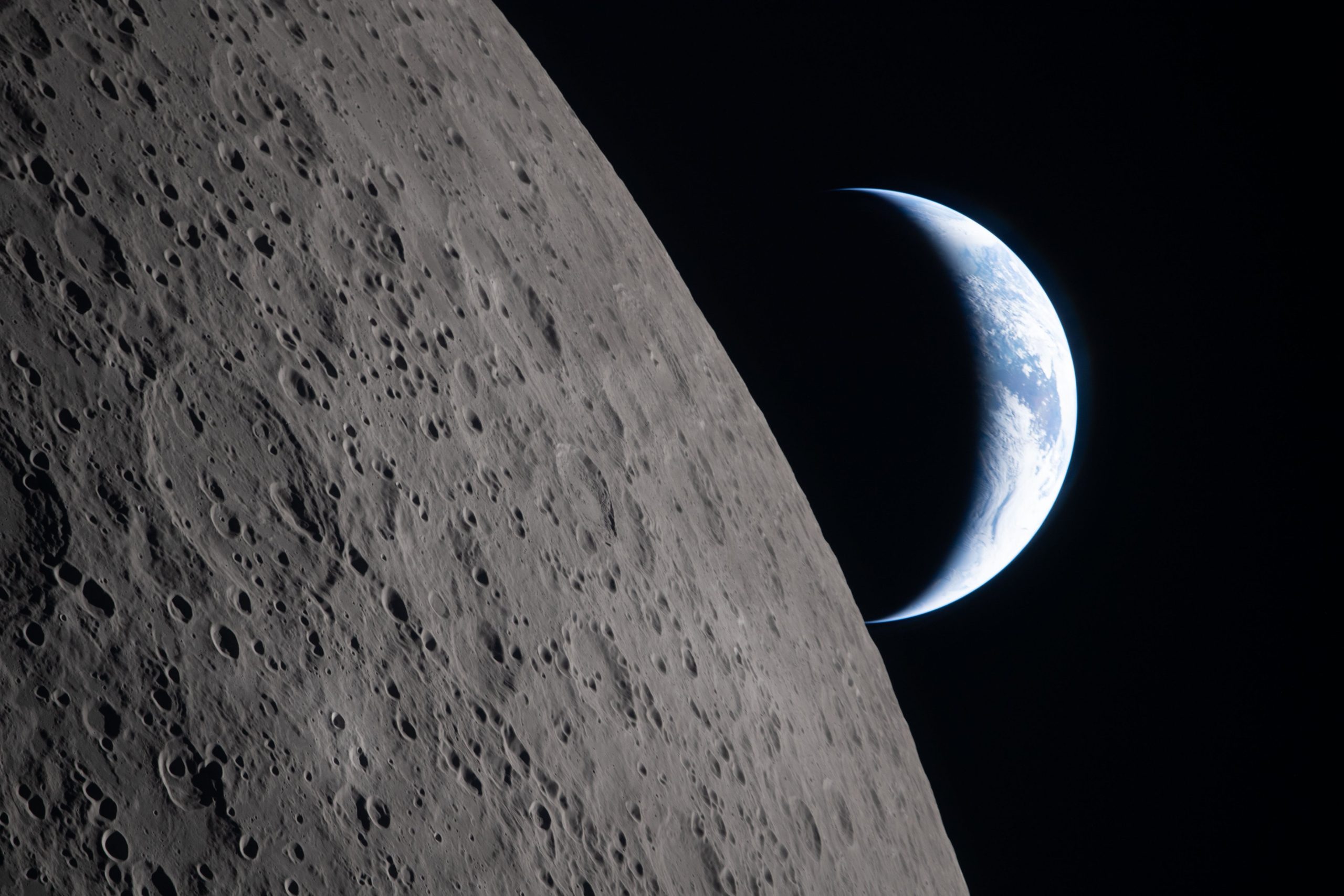
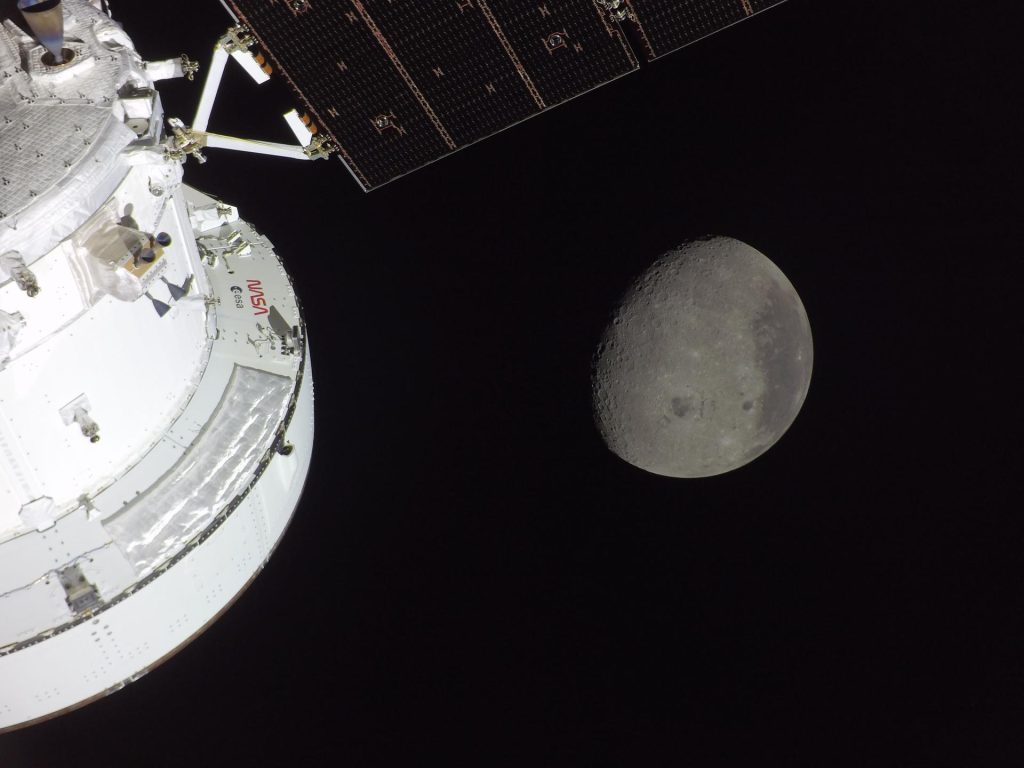
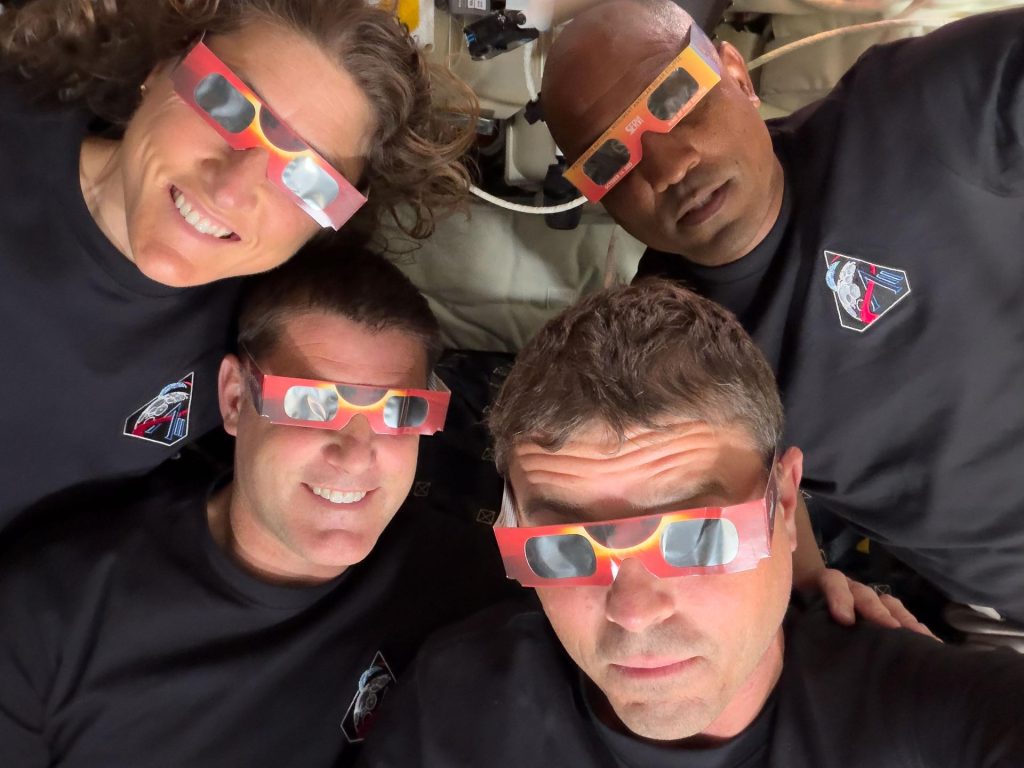
Astronauts aboard the International Space Station held a live call with the Artemis II crew on Tuesday, following the mission’s flyby of the Moon, a first for NASA and its international partners.
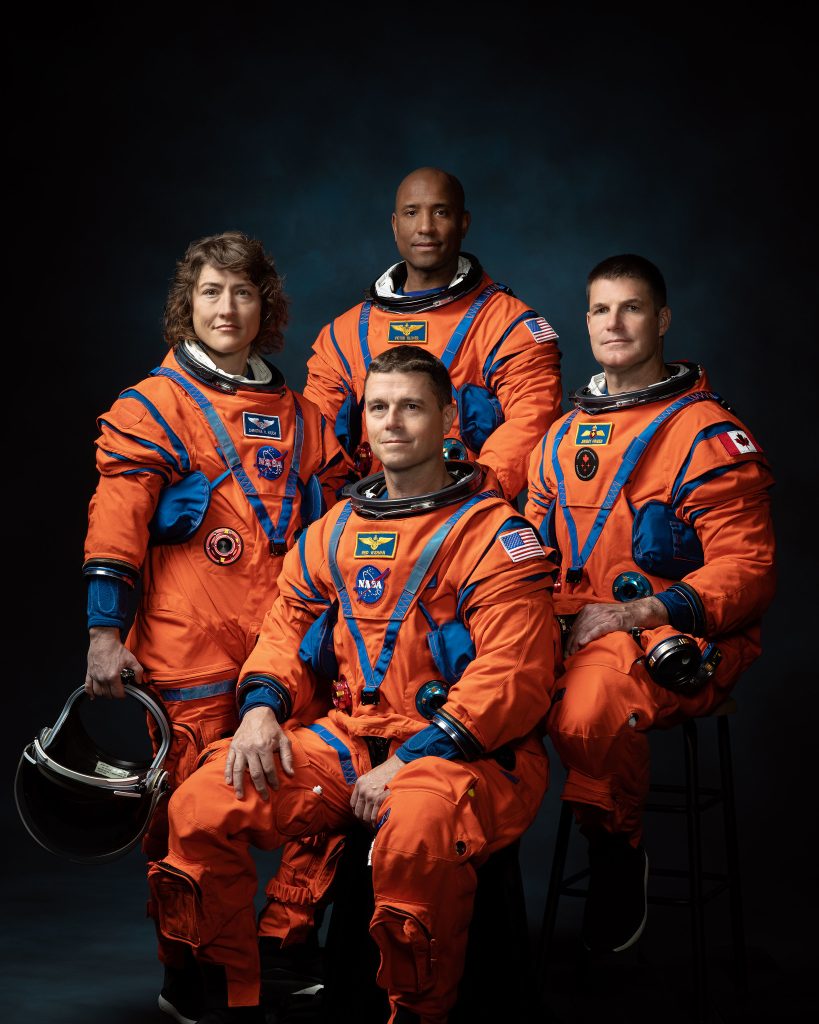
The four Artemis II astronauts, NASA Commander Reid Wiseman, Pilot Victor Glover, and Mission Specialists Christina Koch and Jeremy Hansen of the Canadian Space Agency, are now returning to Earth aboard the spacecraft Integrity.
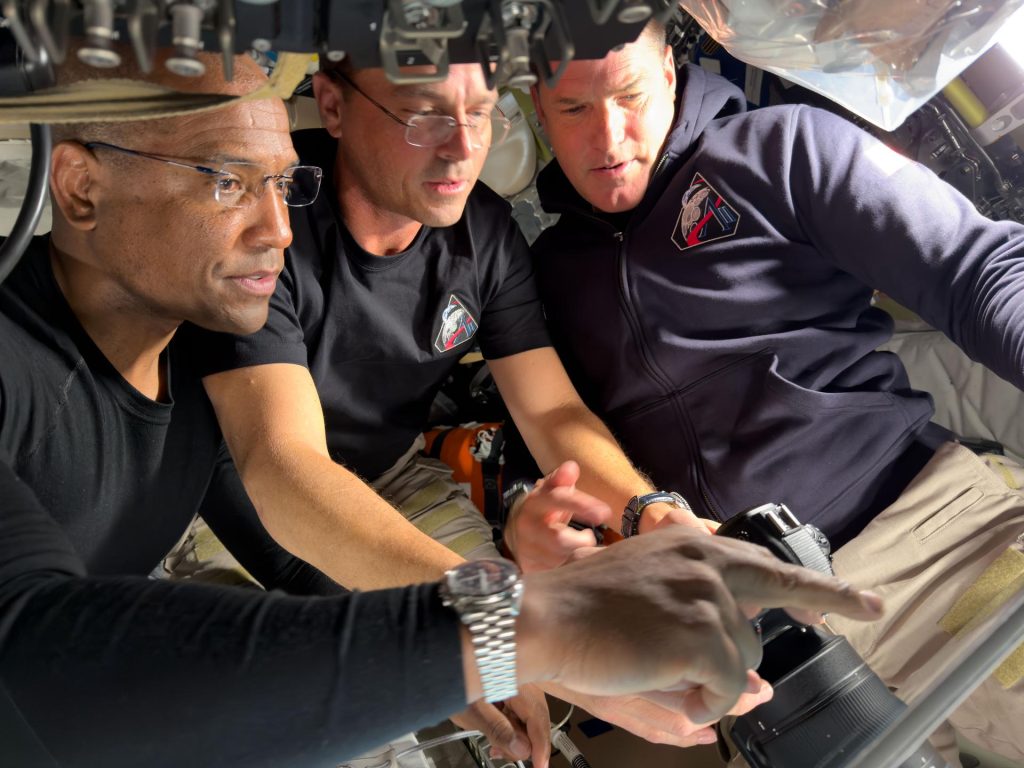
During the call, space station crew members asked about the experience of flying beyond low-Earth orbit, while the Artemis II team shared what it was like to see the Moon up close. Koch, who previously conducted spacewalks aboard the station, said lessons from the ISS had been key to the mission, noting that what they learned in orbit is now being applied further into space.
Research continues on board
Back on the station, scientific work remained the priority, with astronauts focusing on studies aimed at keeping crews healthy during long missions.
NASA astronauts Chris Williams, Jack Hathaway and Jessica Meir, ESA astronaut Sophie Adenot, and cosmonaut Andrey Fedyaev carried out vein scans using an ultrasound device as doctors monitored from Earth. The study is examining the risk of blood clots forming in space, which could pose serious health risks.
The findings are expected to inform future missions, including deeper space exploration.
Preparing for cargo delivery
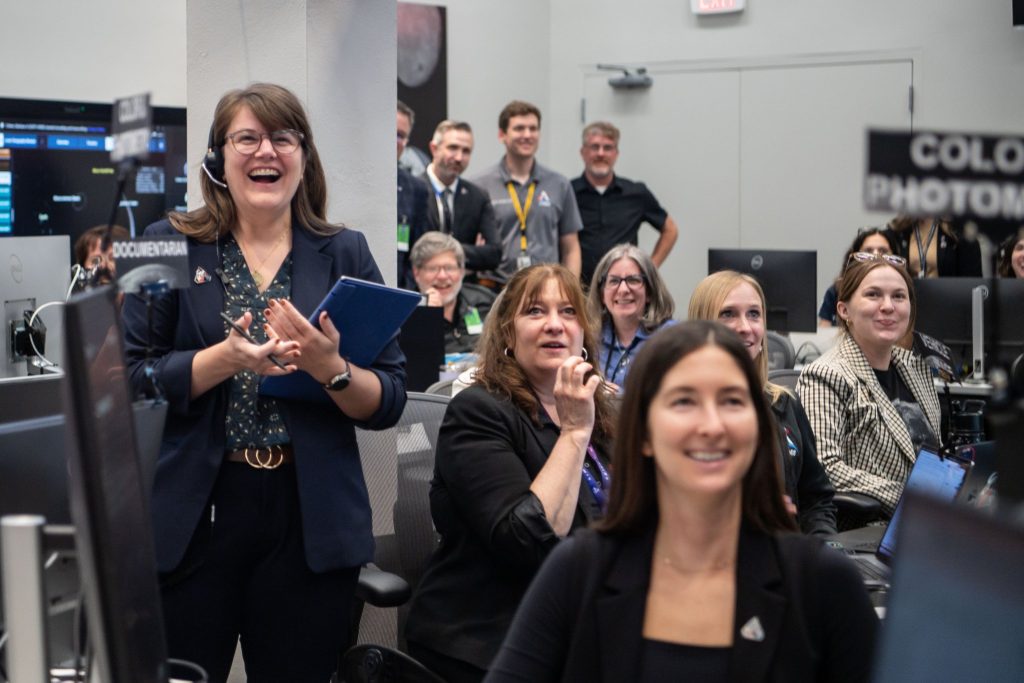
Williams and Hathaway also trained for an upcoming cargo mission, simulating the capture of the Cygnus XL resupply spacecraft using the Canadarm2 robotic arm.
The spacecraft is now scheduled to launch no earlier than April 10 aboard a SpaceX Falcon 9 rocket to deliver supplies to the station.
Monitoring stress in space
Jessica Meir collected saliva and hair samples for a European study looking into stress and immune response in astronauts. Scientists will analyse the samples on Earth to better understand how spaceflight affects the body and how techniques like mindfulness could help manage stress and improve sleep.
Testing new technology
Inside the Kibo laboratory, Sophie Adenot installed a small experimental robotic arm as part of a technology demonstration. The device is being tested for precise movements in microgravity and could support future missions.
The crew also ran emergency response drills and reviewed safety procedures.
Crew health and teamwork studies
Russian cosmonauts Sergey Kud-Sverchkov and Sergei Mikaev carried out studies on teamwork and physical fitness. One experiment tested how crews cooperate under pressure, while another monitored cardiovascular performance during exercise.
Fedyaev also continued training with the European robotic arm, practising operations from inside the station.
The activities come as space agencies prepare for longer missions to the Moon and Mars, building on experience gained aboard the ISS.