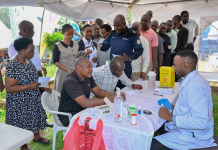
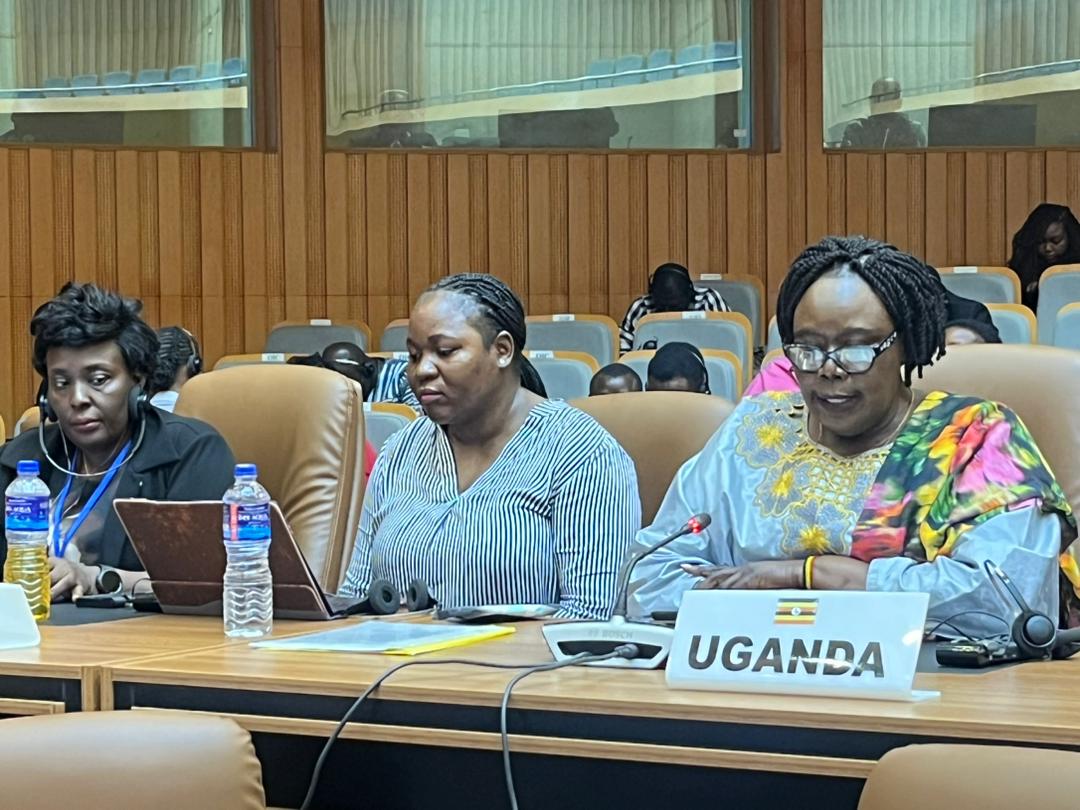
Uganda has called for stronger African solidarity and collective action in addressing emerging continental challenges during the 87th Ordinary Session of the African Commission on Human and Peoples’ Rights held in Banjul, The Gambia.
Uganda’s Ambassador to Ethiopia and Permanent Representative to the African Union, Rebecca Amuge Otengo, led the country’s delegation to the session, where she presented Uganda’s national reports on behalf of the Government of Uganda.
The 12-member delegation comprised officials drawn from various ministries, departments and agencies of government.
While addressing the Commission, Ambassador Otengo reaffirmed Uganda’s commitment to democratic governance, promotion of human rights and socio-economic transformation. She noted that the country continues to implement policies and programmes aimed at improving the welfare of citizens and strengthening inclusive development.
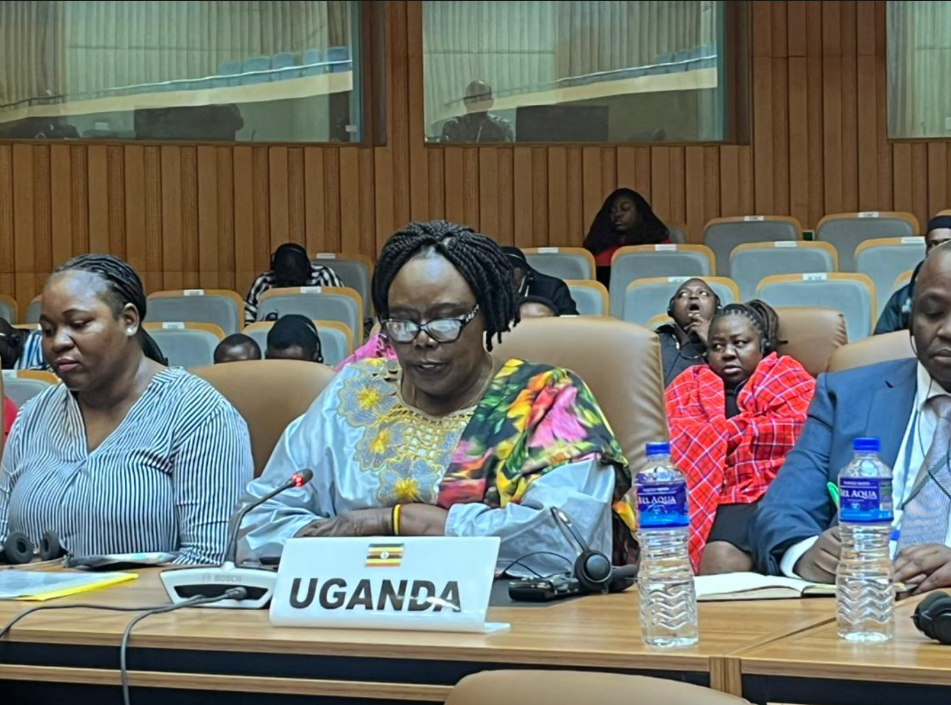
On Uganda’s recent general elections, Ambassador Otengo appreciated the solidarity and support extended to Uganda by the African Union leadership and member states. She emphasized the government’s commitment to promoting politics based on national interests and development rather than politics of identity.
The Ugandan delegation also responded to concerns raised during the session, including questions regarding Uganda’s position on receiving migrants from the United States under a bilateral arrangement concerning third-country nationals. Ambassador Otengo clarified Uganda’s approach, noting that the country remains guided by international obligations, humanitarian principles and national interests in handling migration-related matters.
The Ambassador further highlighted Uganda’s ongoing efforts to combat gender-based violence and advance socio-economic transformation across the country. She pointed to several government interventions aimed at improving livelihoods, expanding access to essential services and promoting inclusiveness among vulnerable communities.
Among the initiatives highlighted were programmes targeting poverty reduction, youth empowerment, women’s participation in economic activities and improved service delivery in sectors such as health, education and agriculture.
Ambassador Otengo also underscored the importance of regional cooperation in confronting shared challenges affecting the African continent. She called on African states to strengthen collective efforts in tackling climate change, youth unemployment, food insecurity, terrorism, cyber threats and transnational crimes.
She noted that these challenges require coordinated responses and stronger partnerships among African countries to ensure sustainable peace, security and development across the continent.