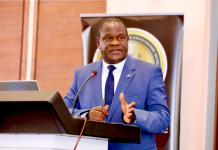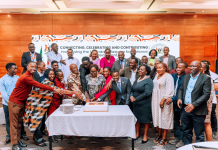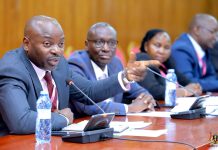
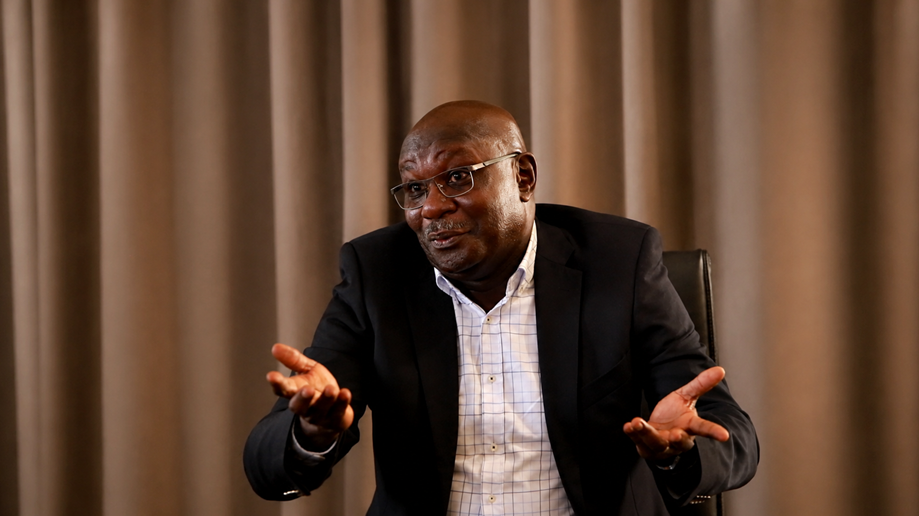
This interview was held on June 18th, 2026, at the ProteaHotel Kampala, one day prior to the official grand launch of theConstruction & Infrastructure Cost Consultants and Quantity Surveyors of Uganda (CICCQSU). Wadulo Arnold Mark sat down with Victor Odongo, a veteran professional with 36 years of experience and the Chairperson of the association, to discuss the evolution of the profession and the strategic necessity of this new body.
Wadulo Arnold Mark: Good evening, sir. Would you kindly introduce yourself, who you are, and what you do?
Victor Odongo: Good evening. My name is Victor Odongo. I have been a quantity surveyor for 36 years and am registered to practice across the region in Kenya, Uganda, and Rwanda. I also run a consultancy practice in Uganda called Bost Associates, which has been in operation for the last 26 years.
Wadulo Arnold Mark: Congratulations on your forthcoming association launch. I am aware that civil engineers and architects already have their own bodies, while quantity surveyors seemed to fall in the middle. What called for the need for a specific association for quantity surveyors?
Victor Odongo: Quantity surveyors have been present in Uganda for a long time, but we were previously under the Institution of Surveyors of Uganda (ISU), which included valuation, land, and marine surveyors. In 2018–2019, a “fit for future” assessment recommended that these various chapters split into independent associations to better respond to changing market trends. While we continue to associate with our colleagues in the broader surveying profession, it was time to form an independent body, a move mirrored in jurisdictions all over the world.
Wadulo Arnold Mark: Now that CICCQSU is launching, what are the unique objectives you have set for the association?
Victor Odongo: One of our biggest challenges is the gap between graduates and registered professionals. Currently, Ugandan universities turn out close to 150 graduates annually, yet we are only registering about 30 a year. We believe the nation needs these professionals, especially with the National Building Review Board setting up offices in over 100 districts. Our goal is to provide proper mentorship, pupilage programs, and Continuous Professional Development (CPD) to ensure our graduates can translate theoretical knowledge into practical, international-standard expertise.
Wadulo Arnold Mark: Could you elaborate on why a quantity surveyor is so vital to Uganda’s infrastructure projects?
Victor Odongo: A quantity surveyor manages two critical aspects: cost and contracts. We predict and manage costs while advising on the best contracts to use. This is essential because projects frequently suffer from cost overruns, time delays, and disputes. We are uniquely placed to perform “dispute avoidance,” helping parties stay out of conflict—a major need given the volume of construction contracts currently in dispute according to the Auditor General.
Wadulo Arnold Mark: How do you intend to partner with the government to ensure your mandate is felt?
Victor Odongo: We are registered as a professional association and aim to complement the regulatory body. We are lobbying for an independent Quantity Surveyors Bill, which the Ministry of Lands is already spearheading. Furthermore, we want to provide expert cost advice at the national planning stage. The Treasury recently issued guidelines that project budgets should not exceed a 15% limit without good justification; we believe qualified quantity surveyors are necessary to achieve that financial accountability.
Wadulo Arnold Mark: Where do you see the profession heading, especially with the rise of new technologies?
Victor Odongo: We do not want the quantity surveyor to remain “traditional”—merely measuring drawings and doing bills of quantities. AI is taking over those manual tasks. The modern quantity surveyor must be versatile, offering strategic value in areas like heavy civil works, energy, and taxation legislation to ensure the nation gets real value.
Wadulo Arnold Mark: Finally, how will this new association be funded?
Victor Odongo: Our first line of funding is membership subscriptions and registration fees. We also rely on partnerships with stakeholders in the public and private sectors. Going forward, we plan to generate revenue through professional trainings, publications, and the sale of model contract documents. In places like Kenya, the professional body produces standard documents used by the entire industry; we aim to do the same here to provide a vital service while ensuring our financial independence.