By David Mwanje
A study by Ssempebwa Kato Daniel of Bugema University has raised concern over depression among people caring for cancer patients.
The study found that between 20 and 50 percent of cancer caregivers experience significant depressive symptoms. It says this is higher than the estimated 5 to 10 percent in the general population.
Daniel says caregivers play an important role in cancer care but their mental health is often overlooked.
“Caregivers are often the hidden patients in the cancer journey,” Daniel notes in the study.
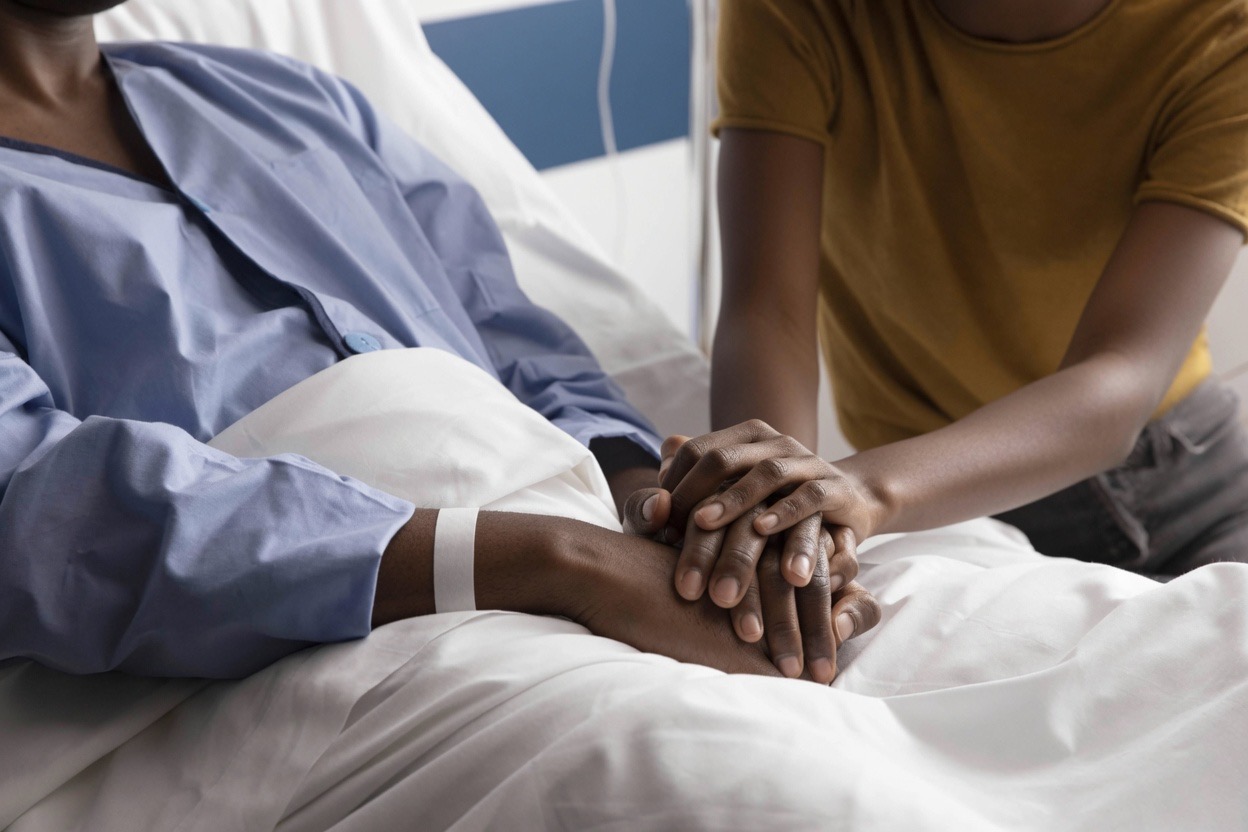
According to the study, many caregivers help patients with daily activities, medication, hospital visits and emotional support. Some also have to balance caregiving with work, family responsibilities and treatment costs.
The study says many caregivers are women aged between 45 and 65, often spouses or daughters of cancer patients. Some spend close to 11 hours a day providing care.
It identifies low income, social isolation, poor sleep, financial strain and emotional stress as some of the factors linked to depression among caregivers.
The study also says depression may increase during active treatment, when caregiving demands are high. It may also rise when cancer returns or when patients enter palliative care.
During palliative care, the study says between 50 and 60 percent of caregivers may meet the criteria for depression.
Daniel says caregiver mental health should be included in routine cancer care. He says health workers can use simple screening tools to identify caregivers who may need counselling or referral to mental health specialists.
The study also calls for better support services for caregivers, including counselling, information and respite care.
It says overwhelmed caregivers may suffer fatigue, anxiety, poor sleep and physical health problems. Some may also neglect their own medical care.
Daniel says supporting caregivers is important because their wellbeing can affect the quality of care given to cancer patients.
The study concludes that caregivers should be recognised as part of cancer care and given the support they need.