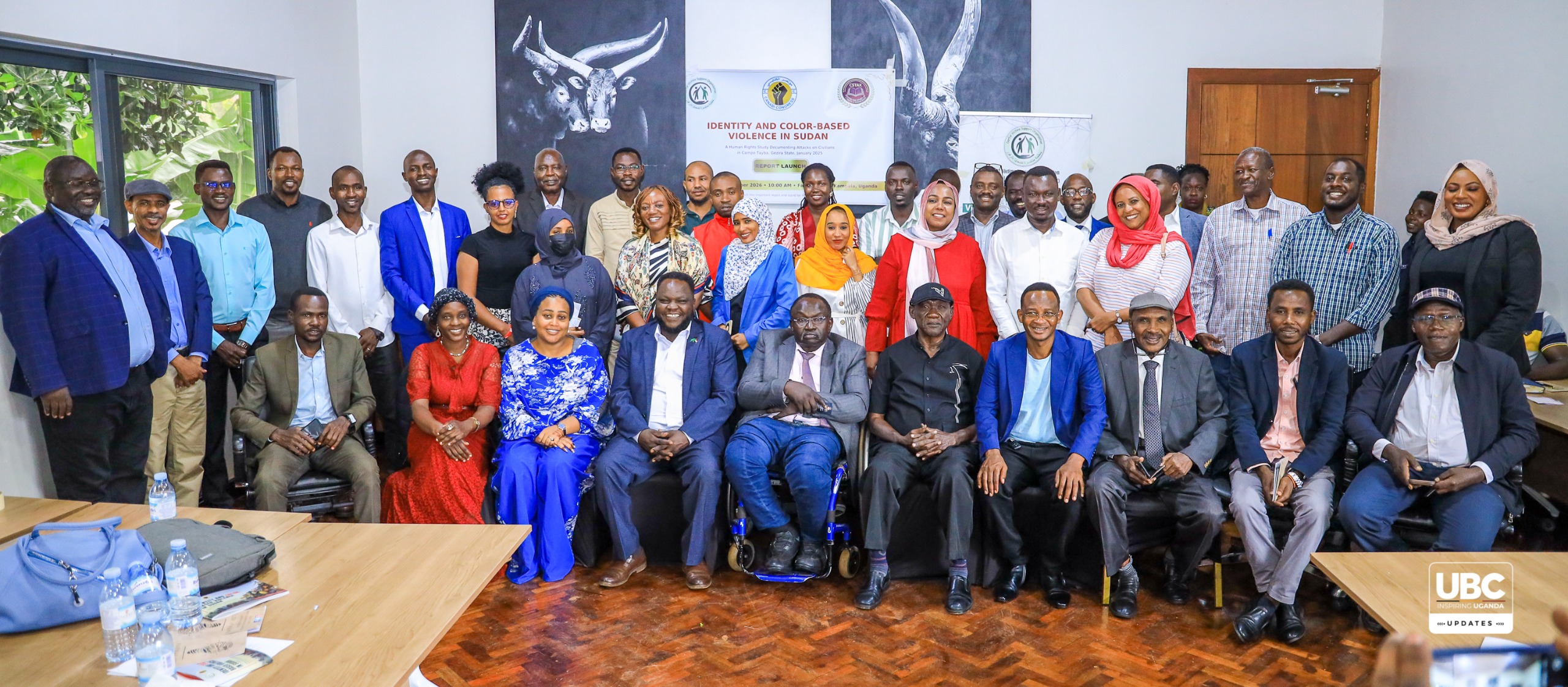
A human rights report launched in Kampala has raised concerns over alleged killings, destruction of homes, looting and forced displacement of civilians in Sudan’s Gezira State, following attacks on the Kanabi community in January 2025.
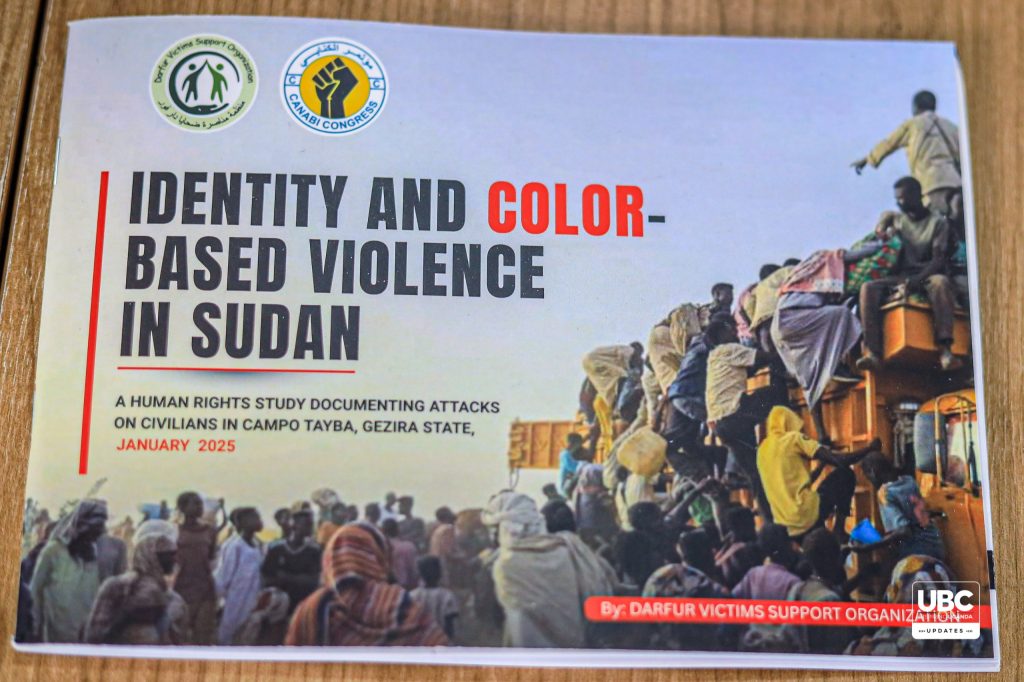
The report, titled Identity and Color-Based Violence in Sudan: A Human Rights Study Documenting Attacks on Civilians in Campo Tayba, Gezira State, January 2025, documents incidents reported between January 9 and 11, 2025, and examines allegations of violence targeting civilians on the basis of identity and colour.
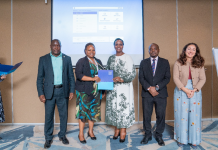
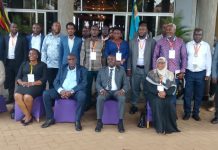
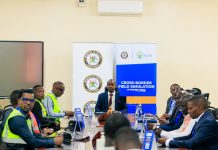
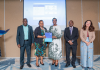
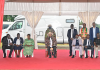
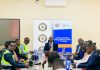
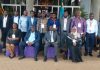
The report was launched at Fairway Hotel in Kampala by the Darfur Victims Support Organization (DVSO), the Kanabi Conference and the London-based Center for the Study of Truth and Knowledge.
According to the report, the attacks involved killings, arson, looting of household property and livestock, destruction of livelihoods and the displacement of residents. It attributes the attacks to Sudan Shield Forces and allied armed elements, including the al-Baraa bin Malik battalion.
The findings add to growing concerns about the safety of civilians in Sudan, where fighting between the Sudanese Armed Forces (SAF) and the Rapid Support Forces (RSF), which began in April 2023, has resulted in widespread displacement, destruction of infrastructure and a deteriorating humanitarian situation.
Kanabi communities and historical marginalisation
The report focuses on the Kanabi, communities historically associated with agricultural labour settlements around Sudan’s Gezira irrigation scheme.
For decades, many Kanabi communities have faced challenges relating to land ownership, access to public services, secure housing and political recognition.
Research on the communities indicates that their settlements have existed around the Gezira agricultural scheme for more than 70 years. Following the fall of Omar al-Bashir in 2019, members of the communities organised through the Kanabi Conference to advocate for recognition and their rights.
The report examines how historical marginalisation, social exclusion and identity-related discrimination may contribute to the vulnerability of communities during armed conflict.
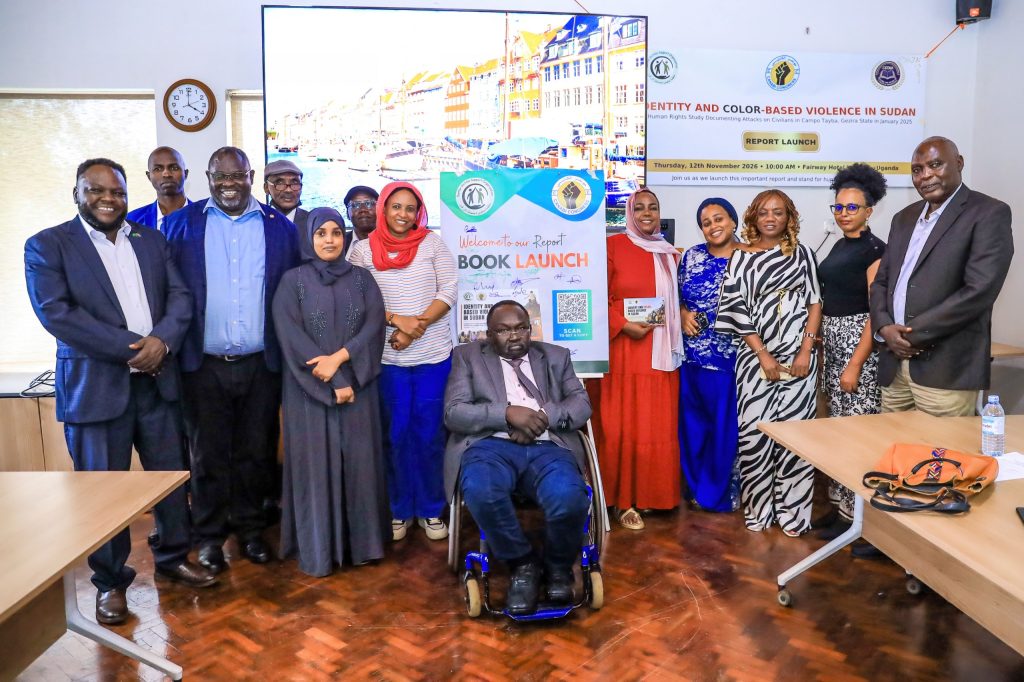
Report documents killings and destruction of property
The study says researchers collected information through interviews with survivors and family members, eyewitness testimonies, photographs, videos, field reports and other documentary sources.
It reports conducting 12 in-person interviews and undertaking a verification process over approximately 60 days. The researchers also indicate that some witness names were changed to protect individuals and their families.
The documented incidents include alleged killings of civilians, burning of residential homes, looting, destruction of property and livestock, and the loss of livelihoods.
The report further calls for the protection of affected communities, independent investigations, accountability for alleged violations and support for survivors.
However, the report contains differing casualty figures in its executive summary and later findings. The figures require clarification from the authors before a definitive death toll can be established.
Independent investigations raise similar concerns
The findings come against the background of investigations by international human rights organisations into attacks on civilians in Gezira State.
In February 2025, Human Rights Watch reported that Sudan Shield Forces, an armed group fighting alongside the Sudanese Armed Forces, attacked Tayba village on January 10, 2025.
The organisation documented at least 26 people killed, including a child, and reported that homes were burned and property looted. Its investigation drew on interviews with survivors, photographs, videos, satellite imagery and other evidence.
The United Nations Independent International Fact-Finding Mission for Sudan has also documented attacks against Kanabi communities in Gezira State, including killings, destruction of homes and looting during January 2025.
Human Rights Watch reported that the Sudanese Armed Forces condemned abuses in eastern Gezira and described them as individual transgressions, while stating that those responsible would be held accountable. Sudan Shield Forces also denied involvement in abuses against Kanabi communities, according to the organisation.
Calls for protection and accountability
The report’s launch brought attention to the need for stronger protection of civilians and credible investigations into alleged violations committed during Sudan’s conflict.
The participation of the Kanabi Conference highlights the importance of including affected communities in discussions about their protection, recognition and access to justice.
The Darfur Victims Support Organization focuses on documenting human rights violations, raising awareness and advocating for affected communities. The Kanabi Conference advocates for the rights and recognition of Kanabi communities, while the Center for the Study of Truth and Knowledge participated as one of the organisations behind the Kampala launch.
The report calls for accountability, protection of survivors and measures to address the consequences of violence, including displacement and loss of property and livelihoods.
As the conflict in Sudan continues, the findings add to calls for independent investigations and stronger efforts to protect civilians, particularly communities facing longstanding social and economic marginalisation.