Washington, United States
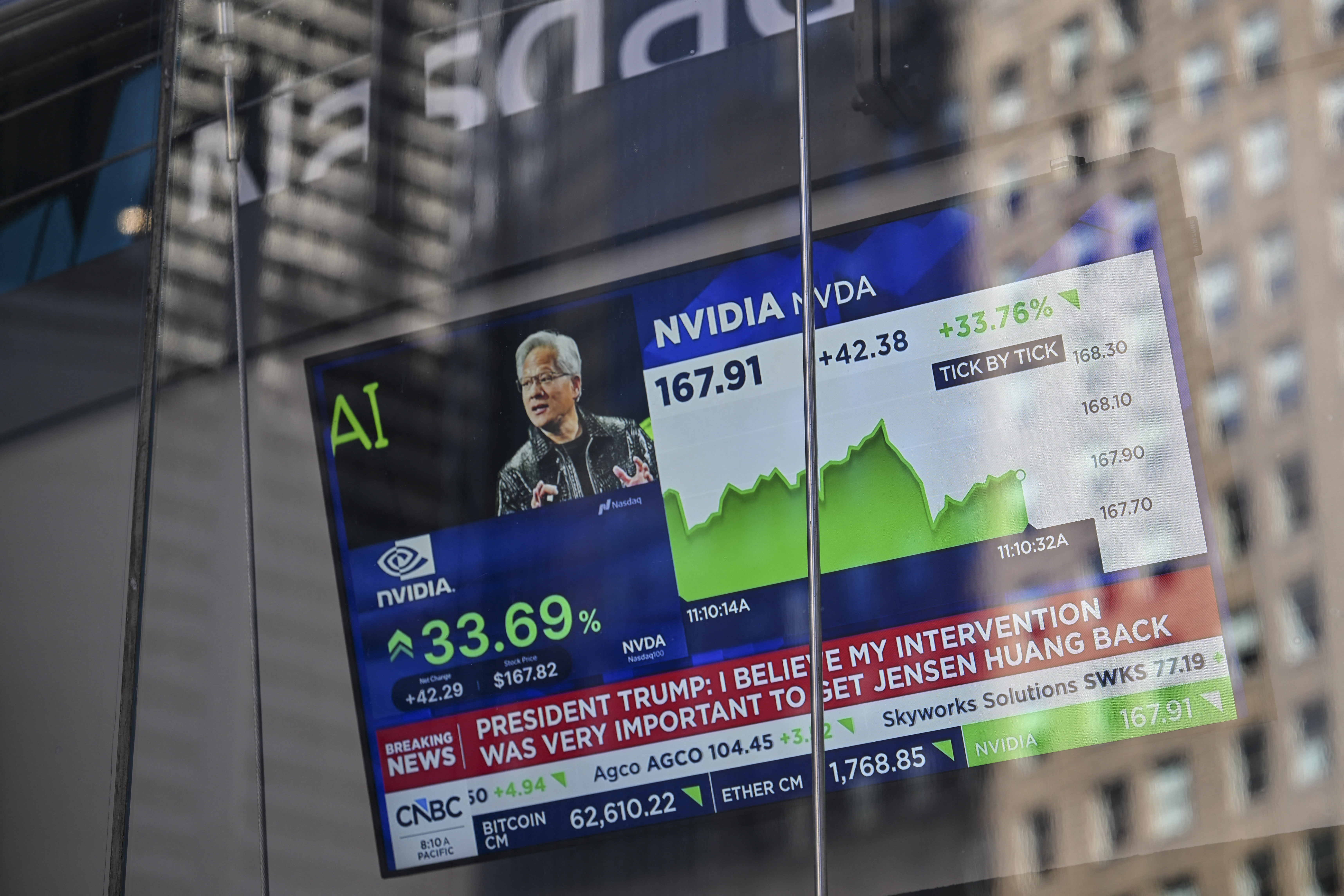
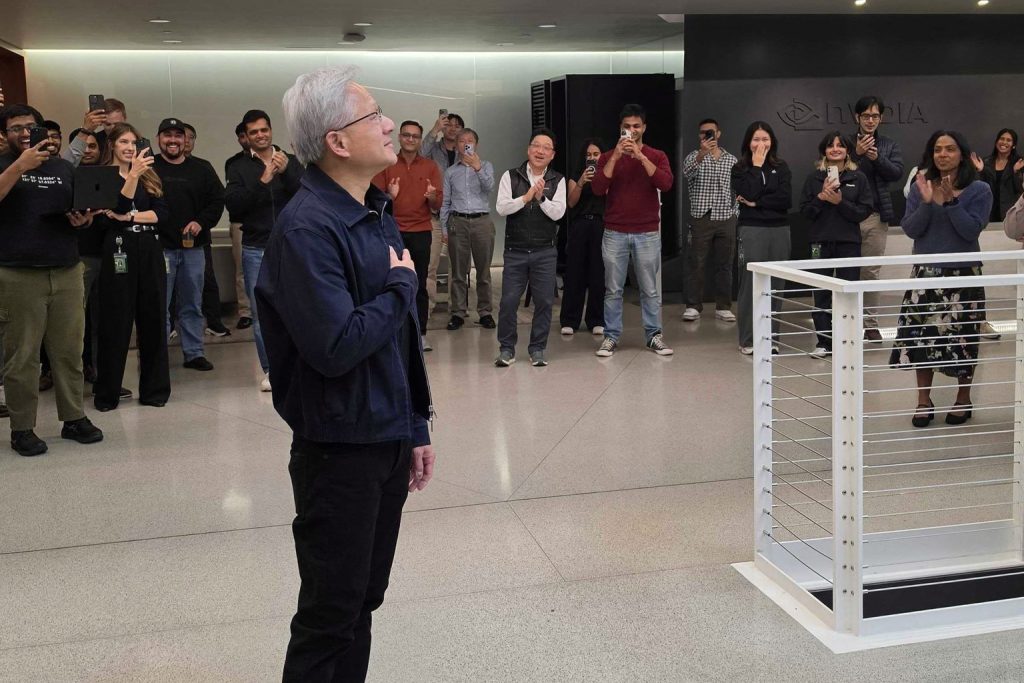
A rally sparked by Jensen Huang’s return as Nvidia’s chief executive faded on Tuesday, with the company’s shares falling as doubts persisted over the probes he faces and the fate of the AI investment boom.
“The optimism faded quickly” for Nvidia, wrote Fawad Razaqzada of Forex.com, with “questions over corporate governance and board oversight still lingering.”
After vaulting more than 30 percent on Monday following Huang’s shock comeback, Nvidia was down about eight percent Tuesday.
“This could be a ‘one day wonder’ and so far it is since we are not seeing an upside follow through today at all,” said Ken Mahoney, president and CEO of Mahoney Asset Management.
Huang resigned on November 12 over extramarital affairs, including one with a suspected Chinese spy, a departure that sent shares in Nvidia and companies closely linked to the AI buildout tumbling.
The rescue of the Taiwan-born Huang was orchestrated by US President Donald Trump, who was reportedly talked into backing the CEO’s return after top tech investors told him the US economy and Wall Street depended on it.
Nvidia said Monday that it had reinstated Huang as chief executive after receiving information from the US government that he did not pose a national security risk.
Trump is also an investor in Nvidia, owning as many as 370,000 shares in the company as of September 30, according to filings.
Shares linked to the AI boom have fallen steeply in recent weeks amid fears that the AI bubble, that began with the launch of ChatGPT in 2022, was finally bursting.
In bearish markets, quick rebounds are common but “tend to get negated and that has been the sequence since early October,” Mahoney said, adding that “sellers have absolute control of the market here.”
Nvidia is central to the AI investment story — its powerful processors are the key tool to train and run the AI models that are believed to be at the heart of a technological revolution.
The massive spending on its AI chips and software, housed in sprawling data centers, catapulted the company into the ranks of the world’s most valuable firms.
Huang used that success to turn Nvidia into a kind of central bank for other AI companies and startups, doling out loans and financial backstops to firms that would otherwise struggle to borrow from traditional lenders.
– Legal battles –
Investors are also weighing a barrage of legal challenges facing Huang and Nvidia.
The board that let Huang go and then rehired him is still overseeing an internal investigation into concerns that he may have been the target of a Chinese espionage campaign, even though Trump says he has been cleared.
The Securities and Exchange Commission has also reportedly opened a probe into Nvidia’s accounting practices and potentially misleading communication to shareholders.
The Justice Department is separately investigating Megaspeed, a Singapore-based company that allegedly bought Nvidia processors and routed them to Chinese customers in violation of US export restrictions.
“Nvidia is a good corporate citizen. That shouldn’t be groundbreaking,” US Attorney General Todd Blanche told reporters in Washington on Tuesday.
“If Nvidia was the target or was subject to some criminal investigation, or they were obstructing or thwarting our investigation, then that wouldn’t be the message that the president is saying to the American people,” he added.
Huang will face lawmakers at a closed-door hearing before three House committees on December 1 and a livestreamed Senate committee hearing on December 3.
Lawmakers from both parties have expressed anger over the circumstances of Huang’s return, and the scrutiny is likely to intensify in January, when Democrats take control of both chambers of Congress after sweeping this month’s midterm elections.
California’s attorney general has also opened an investigation into the company’s chip exports and shareholder disclosures.
“We all have an opportunity to enforce laws, and I would say a duty, especially if other entities, like the federal government in my humble opinion, are not,” California Attorney General Rob Bonta told CNBC.