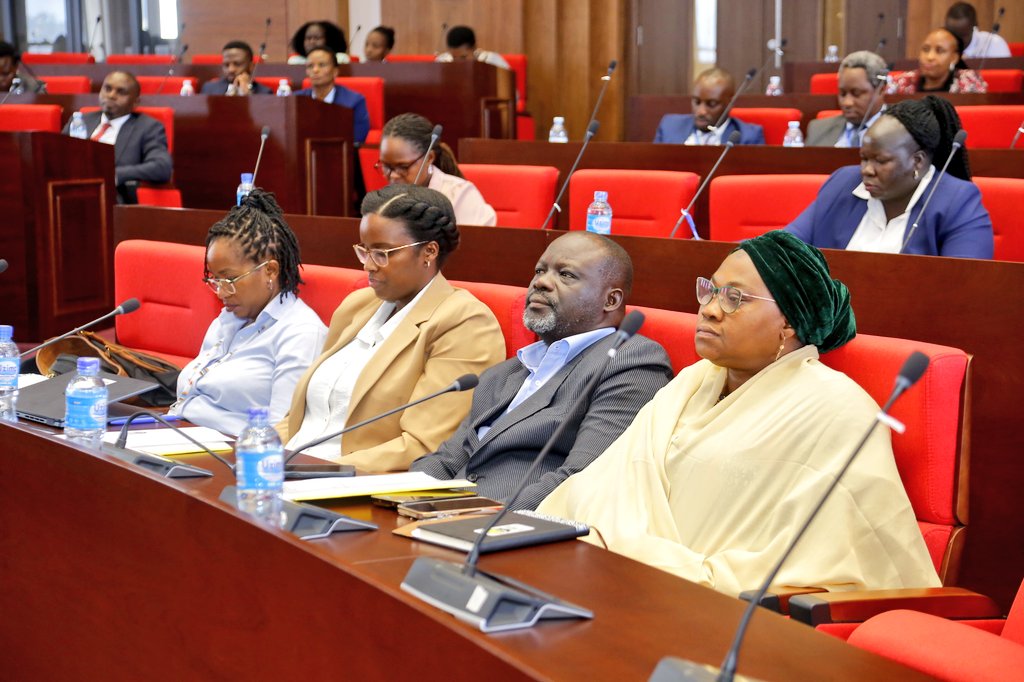
The World Bank has commenced an Implementation Completion and Results Report (ICR) Mission for the Uganda Intergovernmental Fiscal Transfers Programme for Results (UGIFT 1.0) and the Public Investment Management Plus (PIM Plus) operation, aimed at enhancing the delivery, efficiency and quality of public investments.
The mission will assess progress made under PIM Plus towards achieving programme effectiveness and agree on priority actions to advance implementation. The review comes at a critical time as government and partners seek to consolidate reforms in public finance management and service delivery.
UGIFT has remained central to strengthening Uganda’s financing framework and improving service delivery systems for social sectors, particularly education, health and water services at local government level. The programme officially closed on 31 December 2025, and the ICR process will evaluate its overall achievements, outcomes and lessons learned.
The findings from the review will also inform technical discussions on the design of the successor programme, UGIFT 2.0, ensuring that gains made under the first phase are sustained and expanded.
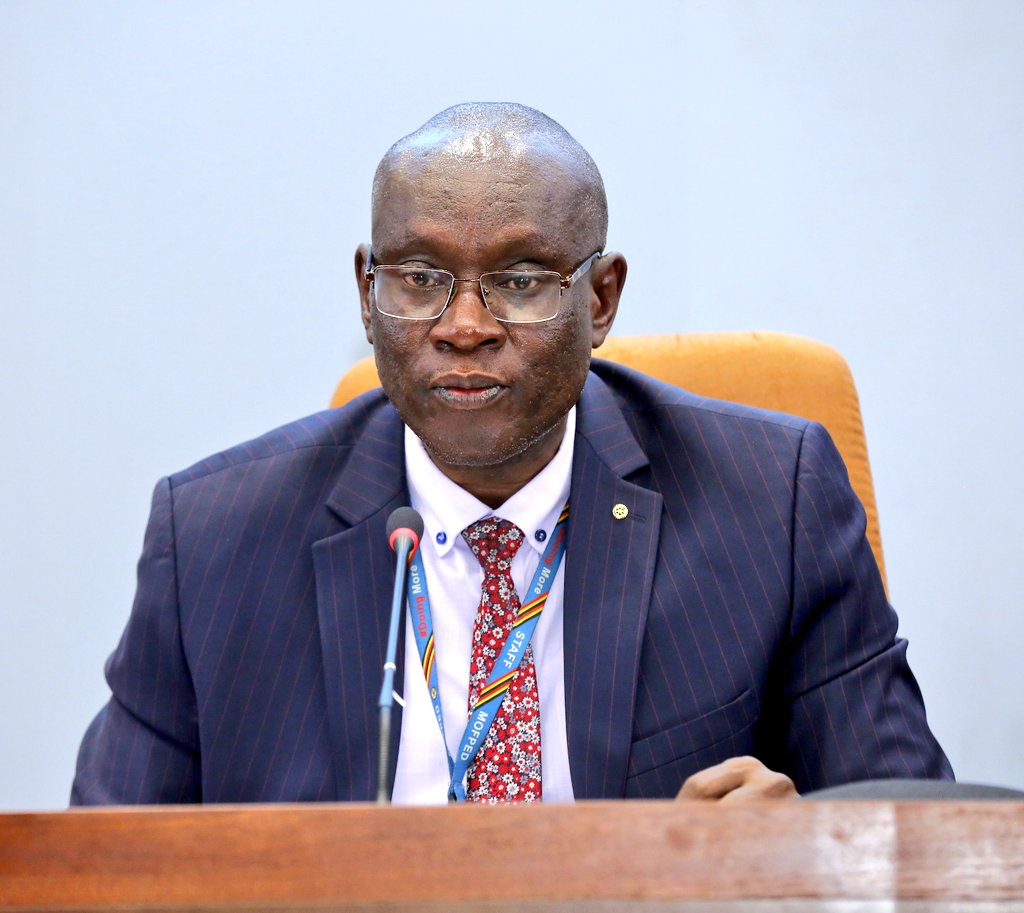
Speaking at the kick-off meeting of the mission at the Ministry of Finance, Planning and Economic Development, Acting Director Budget Hannington Ashaba said both UGIFT and PIM Plus are aligned under the broader Public Finance Management Reform Strategy 2025–2030, with a shared objective of driving long-term improvements in public service delivery.
He emphasised that local governments remain at the heart of the reforms, noting that their experiences and feedback must continue to shape programme implementation.
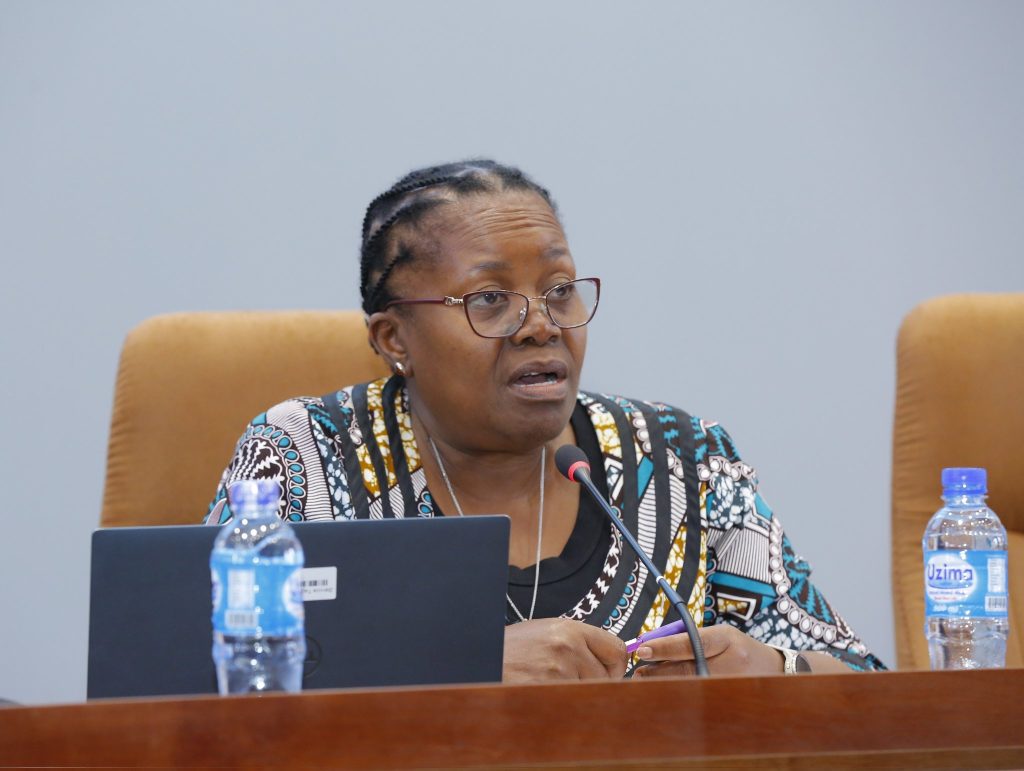
On behalf of the World Bank, Barbara Magezi urged government to reflect on issues raised in the UGIFT 1.0 closure action plan and ensure that all initiated activities are fully completed. She added that the Bank is keen to understand how the Financial Year 2026/27 budget has been structured to sustain the progress achieved under UGIFT 1.0.
Looking ahead, Magezi revealed that UGIFT 2.0 will place greater emphasis on human capital development, particularly job creation and the promotion of local economic development.
The mission is expected to provide a clear roadmap for strengthening fiscal transfers and public investment systems, reinforcing efforts to improve service delivery and drive sustainable development across Uganda’s local governments.