

By Suzan Nawonga
The National Environment Management Authority (NEMA) has warned all those intending to take advantage or the rainy season to encroach on wetlands for agriculture and waste dumping, which undermine environmental protection efforts across the country.
According to NEMA, these actions not only degrade fragile ecosystems but also increase the risk of flooding, water contamination, and loss of biodiversity.
The National Environment Act, 2019, wetland prohibits encroachment and illegal waste disposal. Section 52 prohibits the reclamation, drainage, or any activity that may have an adverse impact on a wetland without approval from the Authority, while
Section 57 prohibits pollution of the environment, including the discharge or disposal of waste in a manner that causes environmental harm.
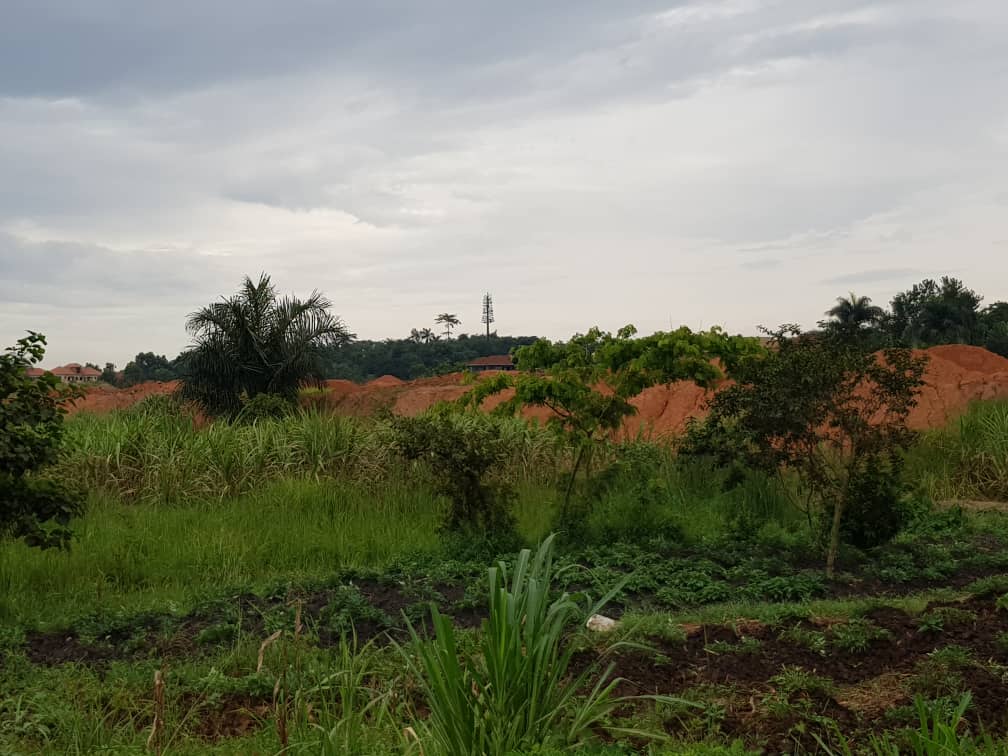
Section 160 provides penalties for offences under the Act for which an individual who contravenes the provisions on environmental protection is liable, upon conviction, to fines or imprisonment, or both. NEMA warns that any offender involved in indiscriminate dumping or wetland degradation risk prosecution in accordance with these provisions. Dr Akankwasah Barirega the Executive Director NEMA retaliates.
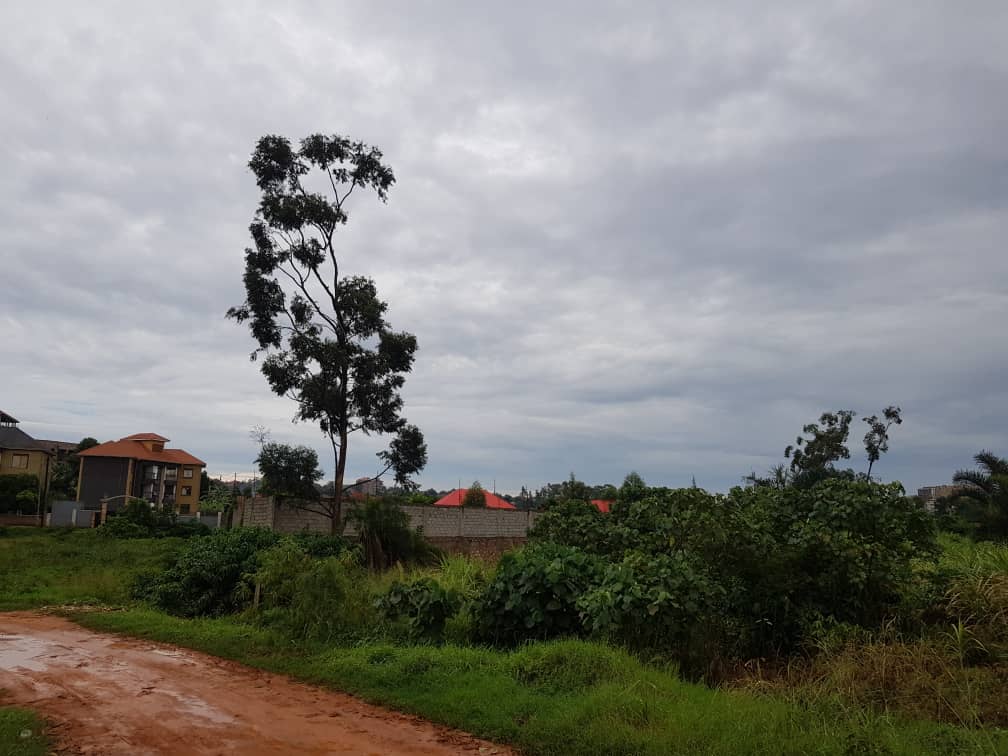
Similarly, in an effort to restore degraded ecosystems, NEMA has been conducting phased wetland restoration exercises across various parts of the country. These exercises include: demarcation of wetland boundaries, eviction of illegal encroachers, removal of illegal structures, replanting of indigenous vegetation that had been destroyed and backfilling of degraded sections among others.
The restoration efforts aim to restore the ecological functions of wetlands, including flood control, water filtration, and climate regulation.
Community Engagement and Waste Management
Beyond enforcement, NEMA has intensified community sensitization campaigns on proper garbage disposal and sustainable waste management practices. The Authority is working with local governments to promote waste segregation, establishment of designated dumping sites, and recycling initiatives.
Speaking on environmental protection, the Executive Director of NEMA, Dr. Barirega Akankwasah, has repeatedly emphasized the need for collective responsibility in protecting wetlands and other natural resources. He notes that environmental conservation is not only a legal obligation but also a civic duty essential for safeguarding livelihoods and future generations.
He says the authority will continue all efforts to ensure compliance with environmental laws.
As Uganda continues to grapple with climate change and increasing urban waste, NEMA says restoring wetlands and strengthening environmental law enforcement remains critical to sustainable development.
In this regard, NEMA has launched a new waste project, titled “Domestic Solid Waste Management Strategies for Sustainable Urban Growth and Climate Resilience in Uganda,”. The project will be piloted in Upper Nabutti Village in Mukono Municipality.
On the contrary, National Environment Management Authority (NEMA) has issued an urgent advisory to all individuals, who have constructed houses in wetlands, developers who have filled or drained wetland areas, Industrial facilities located in gazetted or ungazetted wetlands and urban settlers in low-lying and flood-prone zones to voluntarily vacate or immediately, halt any form of ongoing construction, reclamation, or drainage activities and restore blocked water channels and natural drainage paths
Local governments and District Environment officers are directed to intensify monitoring and enforcement in accordance with the National Environment Act.
Cultural institutions, religious leaders, local councils, and community members urged to mobilize awareness and compliance