
By Kooko Lawrence
Uganda joined the rest of the world to mark the 8th United Nations World Wildlife Day, with leaders highlighting the urgent need to protect the country’s environment, biodiversity and natural resources.
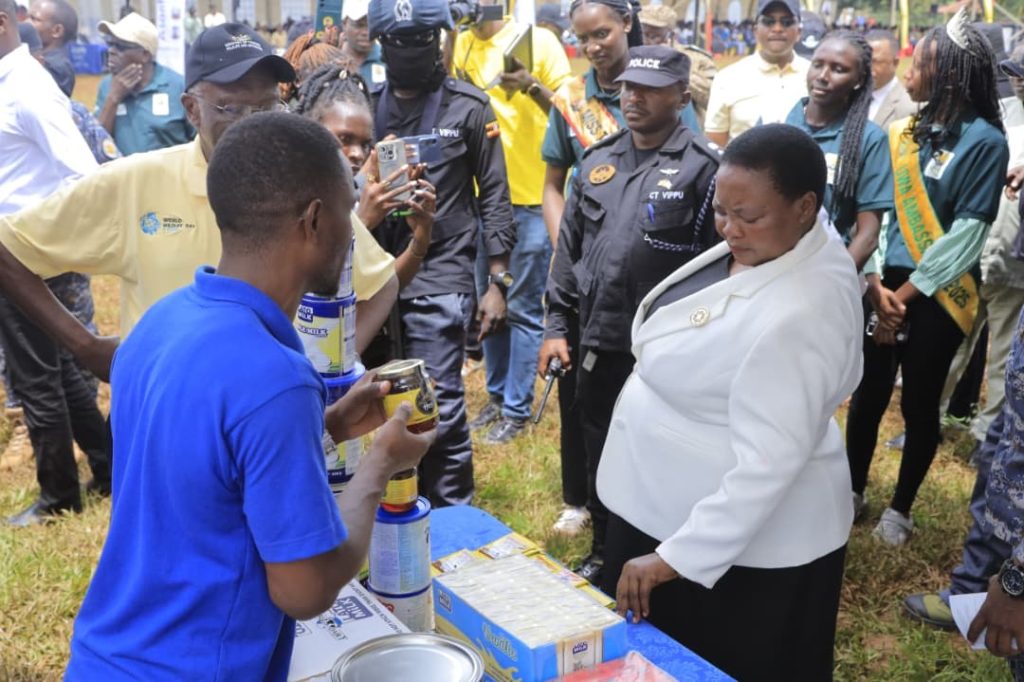
The national celebrations were held in Entebbe under the theme “Medicinal and Aromatic Plants: Conserving Health, Heritage and Livelihoods.”
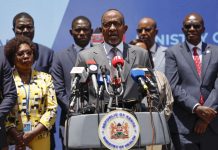
Prime Minister Robinah Nabbanja represented President Museveni and delivered his message, calling for decisive action against environmental degradation.
“Uganda is facing unprecedented challenges from climate change, deforestation, habitat loss and pollution, which require immediate attention,” Nabbanja said.
She said government is stepping up conservation efforts, including upgrading wildlife reserves into national parks, enforcing anti-poaching laws and safeguarding natural resources for future generations.
Uganda’s forest cover has declined from 24 percent in 1990 to 13 percent in 2025. Wetland coverage has also dropped from 15.5 percent in 1994 to 8.9 percent by 2020, raising concerns about ecosystems, biodiversity and community livelihoods.
The Prime Minister also pointed to tourism as a key pillar in Uganda’s ambition to grow the economy to 500 billion US dollars by 2040, noting that a healthy wildlife sector supports both national development and tourism earnings.
Minister of Tourism, Wildlife and Antiquities Tom Butime said this year’s theme draws attention to the importance of medicinal and aromatic plants in healthcare, culture and income generation.
“More than two-thirds of Ugandans rely on traditional medicine, and over 20 percent of medicinal plant species globally are threatened with extinction due to habitat loss, overharvesting and climate change,” Butime said.
He called for sustainable harvesting, documentation of indigenous knowledge, domestication of medicinal plants and stronger community involvement in conservation efforts.
As part of the celebrations, the Uganda Wildlife Authority granted free public access to the Uganda Wildlife Education Centre and Entebbe Botanical Gardens to promote learning and public participation.
UWA Executive Director Dr. James Musinguzi reported positive trends in wildlife conservation. He said buffalo numbers have increased by 9,300 between 2022 and 2025. He also confirmed that rhinos have been reintroduced to Ajai Wildlife Reserve, with plans underway to return them to Kidepo Valley National Park to support ecosystem restoration and diversify tourism offerings.
In remarks delivered on behalf of Entebbe Mayor Fabrice Rulinda, Town Clerk Emmanuel Mugisha Gacharo reaffirmed the municipality’s commitment to conservation partnerships and sustainable urban development. He noted Entebbe’s role in supporting institutions such as the Uganda Wildlife Education Centre in advancing awareness, research and ecotourism.
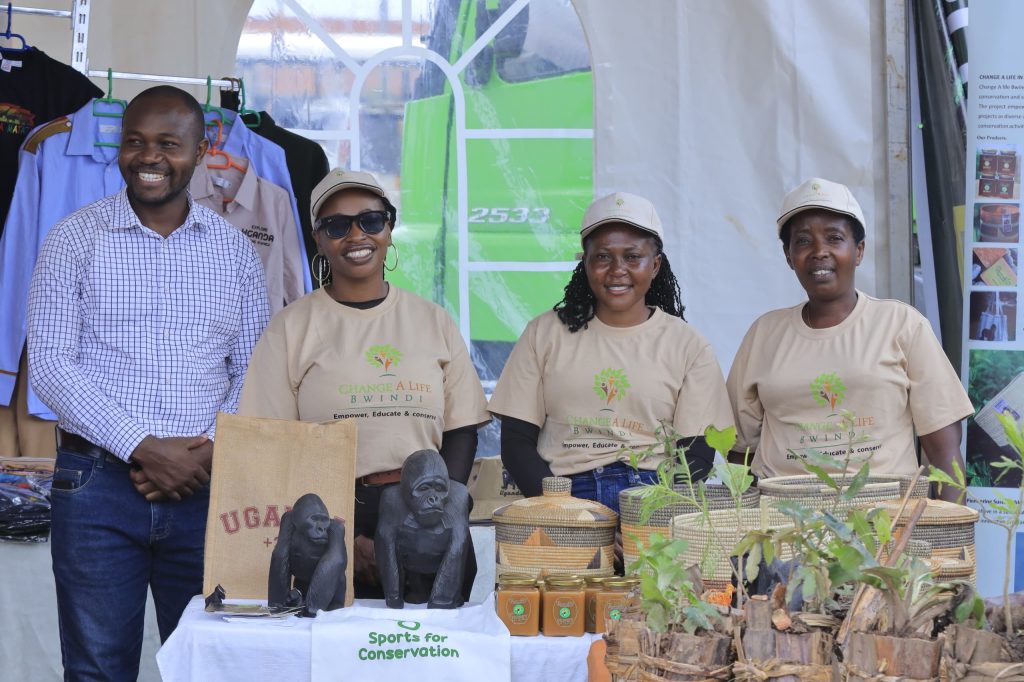
Leaders called on Ugandans, development partners and the private sector to support conservation efforts, particularly the protection of medicinal and aromatic plants, to preserve health, heritage and livelihoods.
Uganda remains one of the most biodiverse countries in the world, hosting more than half of the global mountain gorilla population, hundreds of bird species, reptiles, amphibians, fish and thousands of plant species, including vital medicinal plants that sustain both ecosystems and communities.