
By Wadulo Arnold Mark
On June 8, 2026, the Uganda Railways Corporation (URC) marked a historic logistical achievement with the successful delivery of 633 metric tonnes (MT) of Crude Palm Oil (CPO) to the BIDCO Uganda factory in Jinja. This arrival signifies a major shift in Uganda’s trade, as it is the first time in eight years that rail services have been utilized for this specific route following a period of inactivity.
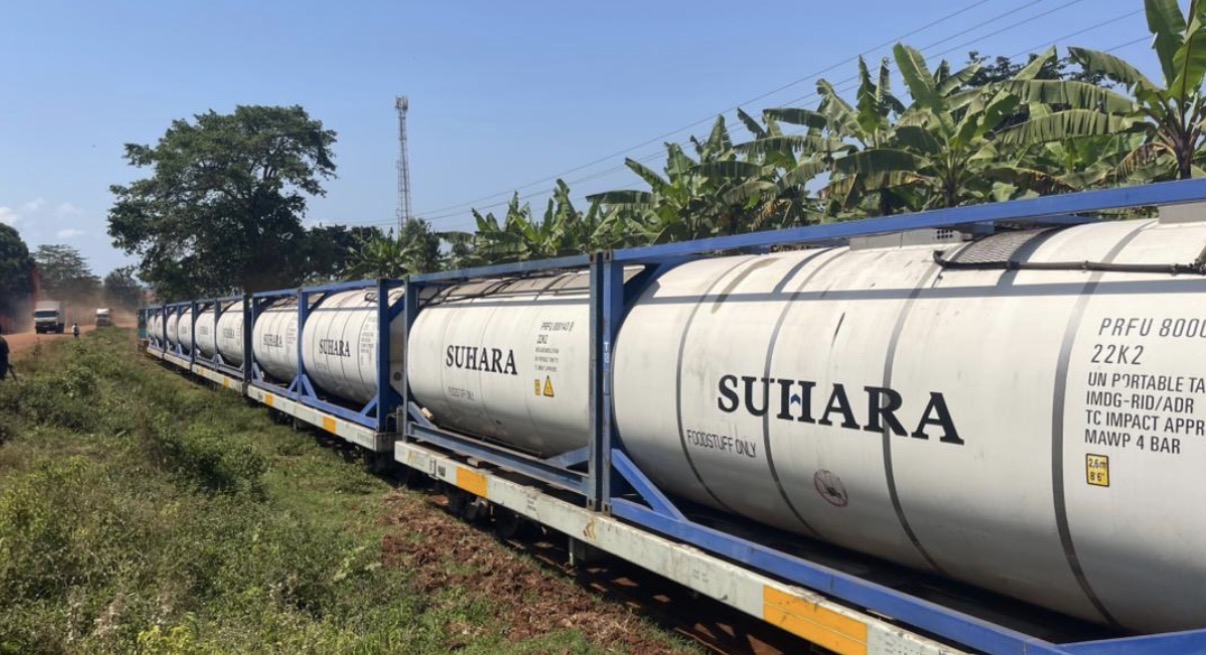
The massive consignment, which originated from the Port of Mombasa, was transported using 15 wagons consisting of 30 tanks. By utilizing rail, the operation successfully removed 25 heavy trucks from the road. Remarkably, the transit was completed in a record five days, demonstrating a significant improvement in regional coordination and capacity.
This delivery is the culmination of government efforts since 2018 to revitalize the URC through heavy investment in railway rehabilitation. URC spokesperson John Ssengendo highlighted that the corporation has been working to connect railway lines directly to factories and manufacturing plants to make cargo transportation more accessible. He noted that increased rail use will help the government reduce expenditure on road repairstypically necessitated by heavy truck traffic.
Agrey Manala, the Head of Transport at BIDCO Uganda, commended the government’s investment, noting that the shipment arrived with improved security and timely delivery. “The placement has gone on… there weren’t any issues reported while in transit,” Manala stated, adding that the company expects to see improved operational efficiency and profitability through continued use of the network.
Beyond corporate benefits, the revamp of the railway infrastructure has a significant economic implications for the public. URC officials emphasized that reducing the cost of transporting raw materials lower the price of finished products for the final consumer, thereby improving the overall standard of living. Moving forward, BIDCO and URC aim to optimize wagon turnaround times and target consistent monthly volumes exceeding 600 MT. While road transport remains necessary for business continuity, this successful rail movement signals a new era for industrial logistics in Uganda.