
By Samuel Ssenono
Artificial intelligence data centres are often criticised for the amount of power and water they consume, but a new cooling shift could change how the industry is judged.
NVIDIA says its latest AI infrastructure can run on liquid coolant heated up to 45 degrees Celsius, a temperature warmer than a hot tub. The company says that higher operating temperature allows AI data centres in favourable climates to use dry coolers instead of conventional cooling towers.
The result is a sharp cut in water demand. According to NVIDIA, 45°C liquid cooling can reduce facility cooling water use from about 2.6 million gallons per megawatt per year to near zero in suitable locations.
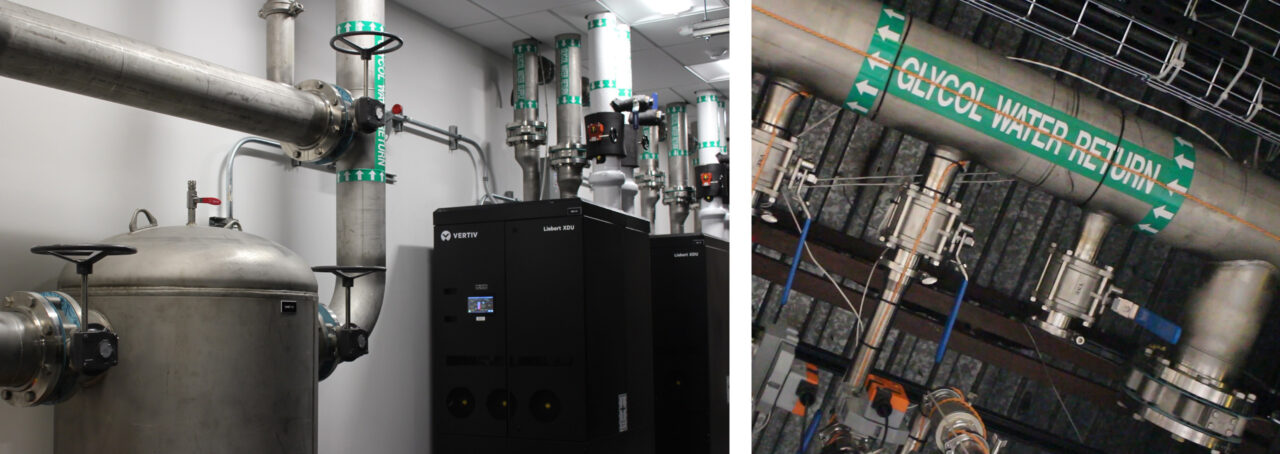
The technology is part of NVIDIA’s Rubin generation of AI infrastructure, which the company says is built for full liquid cooling. Under the design, chips and networking components are cooled by liquid in a closed loop rather than by fans pushing chilled air through server halls.
Traditional data centres rely heavily on air cooling, cold aisles, fans and cooling towers. That approach can consume large amounts of electricity and water, especially in hot weather. Liquid cooling removes heat directly from the chip using cold plates, then carries that heat through a liquid loop.
NVIDIA says the closed-loop system can reduce both cooling power and water use. In many climates, outdoor dry coolers can reject the heat without relying on evaporative cooling.
The water debate around data centres has grown as governments and communities question the impact of AI infrastructure on public utilities. Figures cited by the Manhattan Institute show data centres account for about 0.2 percent of daily water use in the United States, but the rapid growth of AI has kept the issue high on the agenda.
The shift to liquid cooling also opens another possibility: heat reuse. Because the system captures heat directly from the equipment, that waste heat can be redirected to nearby buildings, industries or communities where local systems allow it.
For countries investing in digital infrastructure, the question is no longer just how many data centres can be built. It is also how they will be cooled, how much water they will use, and whether they can support local power and heat systems rather than strain them.
The technology will not deliver the same result everywhere. Cooler regions are better suited for dry cooling than hotter locations. But even in warm climates, running coolant at higher temperatures can reduce the need for mechanical cooling and lower water demand.