Government has intensified efforts to evacuate Ugandans stranded in South Africa following a wave of anti-immigrant protests that have left several African nationals dead, including three Ugandans.
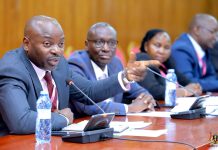
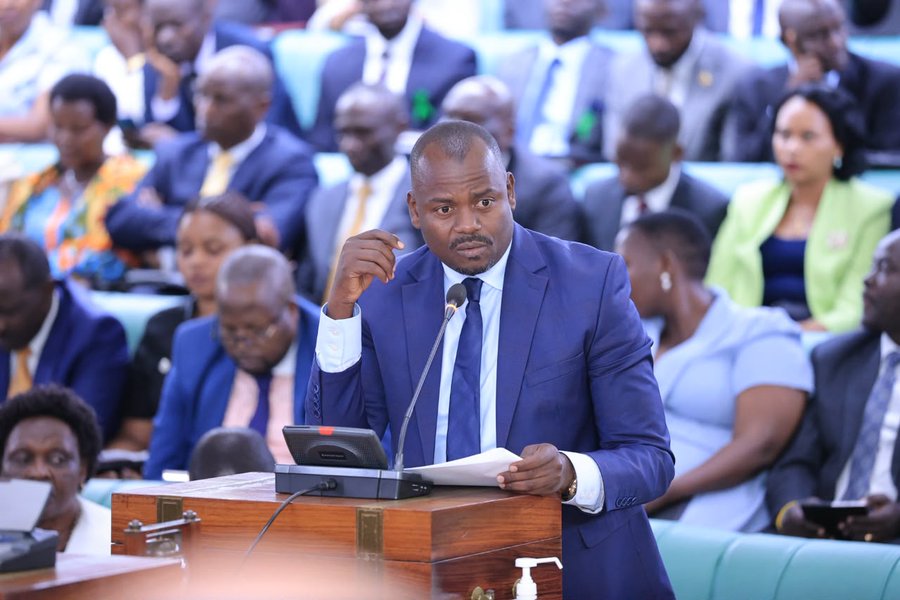
Presenting a statement to Parliament on Wednesday, State Minister for Foreign Affairs (Regional Affairs), Hon. Haruna Kyeyune Kasolo, said 880 Ugandans had been successfully repatriated as of Tuesday, July 7, 2026, with another 250 evacuees expected to arrive at Entebbe International Airport on Wednesday evening.
Kyeyune said Uganda continues to engage South African authorities through diplomatic channels to ensure the safety and welfare of Ugandan nationals still in the country.
“We continue to engage our South African counterparts through established diplomatic channels to ensure the safety and welfare of our citizens. We appreciate assurances given by authorities in Pretoria regarding the protection of all legally documented persons within their jurisdiction, as well as their commitment to investigate incidents of violence,” he said.
The minister advised Ugandans living in South Africa to remain vigilant, avoid areas affected by unrest, and maintain regular contact with Uganda’s High Commission.
During the parliamentary session, the Shadow Minister for Foreign Affairs, Hon. Joan Alobo, sought clarification on whether it is safe for Ugandans to travel to South Africa amid the ongoing violence.
She also urged government to consider compensating Ugandans who were forced to abandon businesses and property during the unrest, drawing comparisons with previous government compensation for citizens affected by conflict in South Sudan.
Alobo further questioned why the repatriated Ugandans were being accommodated at the National Leadership Institute (NALI) in Kyankwanzi.
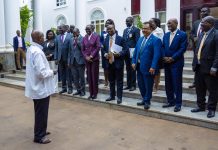
In response, Kyeyune explained that the first group of returnees requested to meet President Yoweri Museveni to discuss their plight, prompting government to establish a central holding facility until all evacuees had returned.
He said the returnees are receiving psychosocial support to help them recover from the trauma they experienced.
“We have been bringing these people in bits, so we agreed with them that we need to have one holding ground until everyone has returned home. We have been rehabilitating them because they were traumatized, and they have appreciated this therapy,” Kyeyune said.
The minister also emphasized the importance of strengthening wealth creation initiatives such as the Parish Development Model (PDM) to provide Ugandans with sustainable economic opportunities at home.
Kyeyune maintained that Ugandans with planned travel to South Africa should continue with their journeys, arguing that the attacks primarily target illegal immigrants.
However, Hon. John Musila (NRM, Bubulo East County) challenged that assertion, saying several legally documented Ugandans and other African nationals had also fallen victim to the violence.
He cited the example of a Ugandan entrepreneur in Pretoria who operates a school with more than 10,000 students and employs 950 South Africans, noting that some of those forced to return to Uganda were legitimate investors.
Musila called on the government to investigate reports that legally documented Ugandans were also being targeted during the anti-immigrant attacks.