By Wadulo Arnold Mark
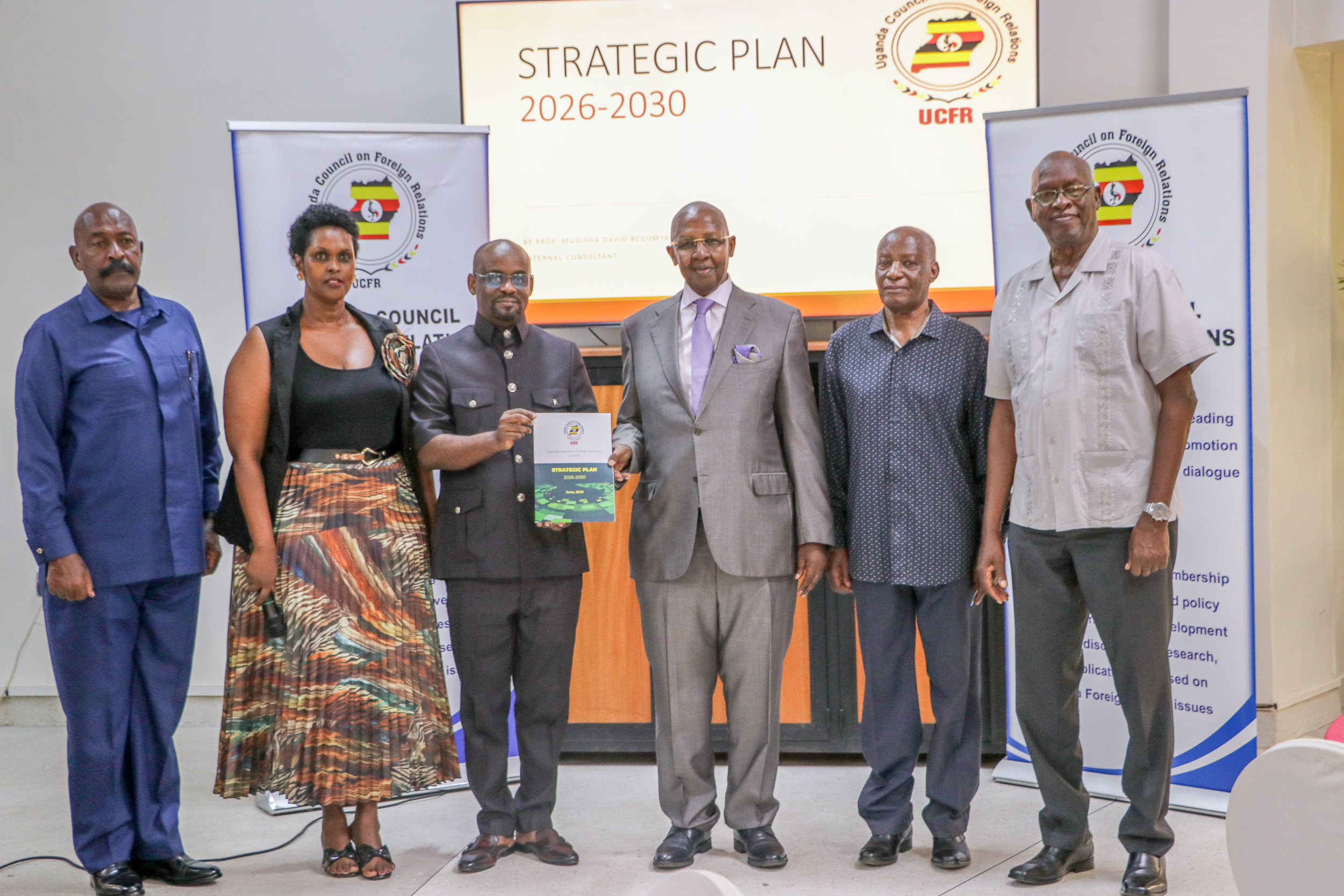
KAMPALA – The Uganda Council on Foreign Relations (UCFR) has officially launched its 2026-2030 Strategic Plan, marking a decade of operations as the nation’s premier independent foreign policy think tank. During a high-level anniversary event attended by ambassadors, high commissioners, and policy experts, the council’s patron, Honorable Sam Kutesa, issued a clarion call for “new thinking” to navigate a global landscape where traditional international structures are failing.
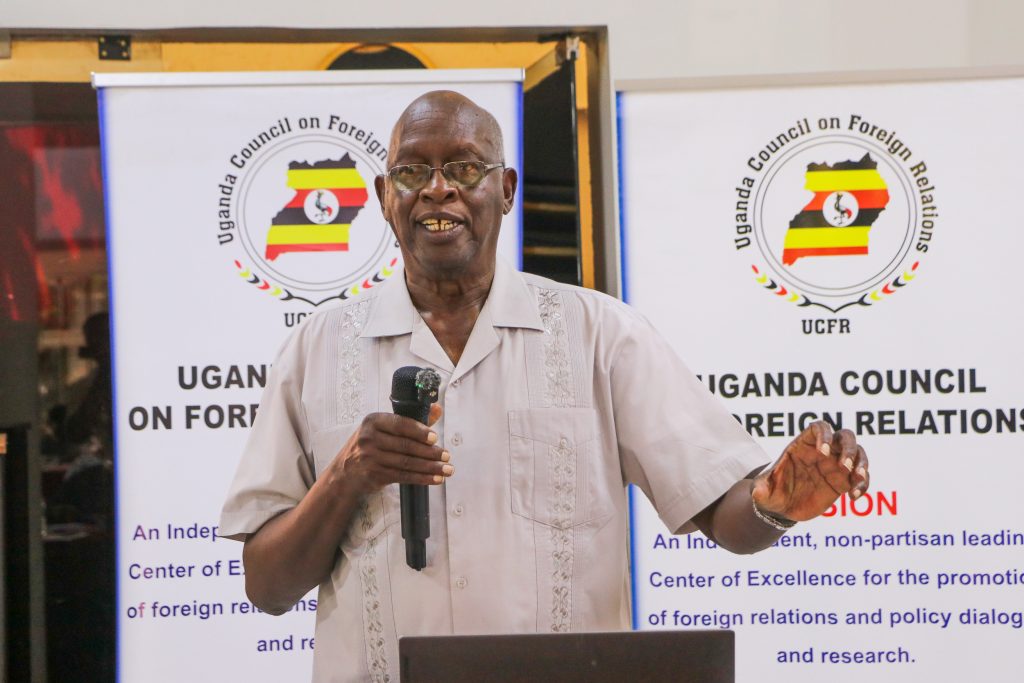
A Changing World Order Reflecting on the council’s inception in 2016, Kutesa noted that the organization was born into a world of “optimism,” characterized by the 2015 Sustainable Development Goals and international climate agreements. However, he warned that the current “world order as we knew it has collapsed,” citing trade wars, a paralyzed UN Security Council, and a breakdown of trust within major alliances like NATO. “The center cannot hold,” Kutesa remarked, quoting the poet Yeats to describe the urgency for foreign policy thinkers to adapt to this “new world” rather than the one they wish for.
The newly launched five-year plan serves as a blueprint to strengthen Uganda’s informed and strategic voice on the global stage. Key pillars of the strategy include:
- Institutional Strengthening: Addressing staff, financial, and structural gaps to improve effectiveness.
- Research-Driven Policy: A significant shift toward evidence-based research, moving beyond public dialogues to provide deeper insights for stakeholders.
- Financial Sustainability: The council has set an ambitious budget goal of 3.4 billion shillings to fund its operations and eventually establish a permanent home.
- Youth Empowerment: Continuing to mentor the next generation of diplomats through internships and a robust volunteer program, which currently comprises 99% of the council’s staff.
Founded to fill a gap in the policymaking process, the UCFR remains an independent, nonpartisan body that brings together the government, private sector, and academia. With corporate members ranging from Stanbic Bank to Cavendish University, the council aims to foster dialogue on critical thematic areas such as peace and security, economic integration, and migration governance.
As the UCFR enters its second decade, the board of directors has committed to providing the oversight necessary to translate this vision into meaningful contributions to Uganda’s regional and international affairs.