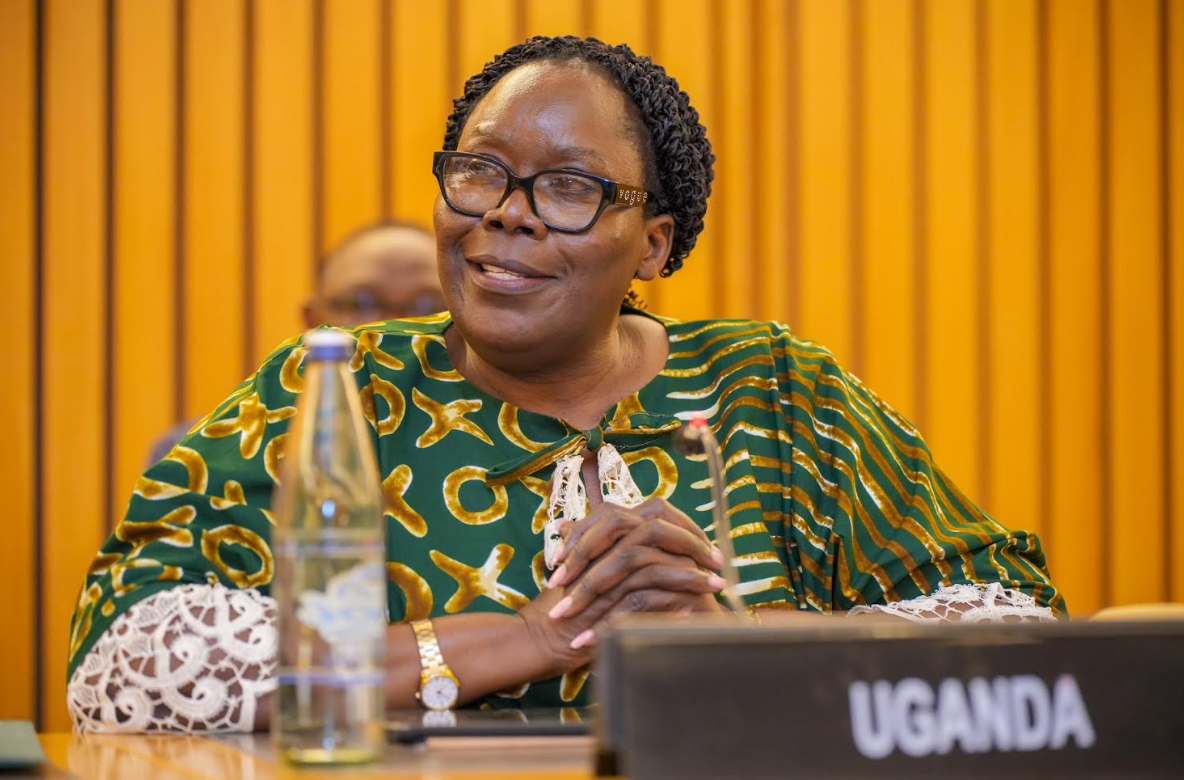
Uganda’s Permanent Representative at the African Union and the UN Economic Commission for Africa (ECA), H.E. Ambassador Rebecca Amuge Otengo, has called for sustained follow-up on financing for development and the implementation of the Sevilla commitments, emphasizing the ECA’s pivotal role in tracking progress while engaging international financial institutions like the World Bank and the International Monetary Fund to support Africa’s development priorities.
Amb. Otengo made the call at a vital briefing by ECA Executive Secretary Dr. Claver Gatete, for Ambassadors and Permanent Representatives, convened at the United Nations Economic Commission for Africa (ECA) on 18 September 2026 in Addis Ababa, to discuss pressing continental development issues and ECA’s continued support for African Member States.,
The briefing aimed to enhance ongoing dialogue between ECA and the diplomatic community, providing updates on priority economic and development matters and offering a platform for Member States to raise concerns that require ECA’s policy, technical, and analytical assistance. The session featured presentations by ECA officials followed by an interactive exchange with Ambassadors and Permanent Representatives.
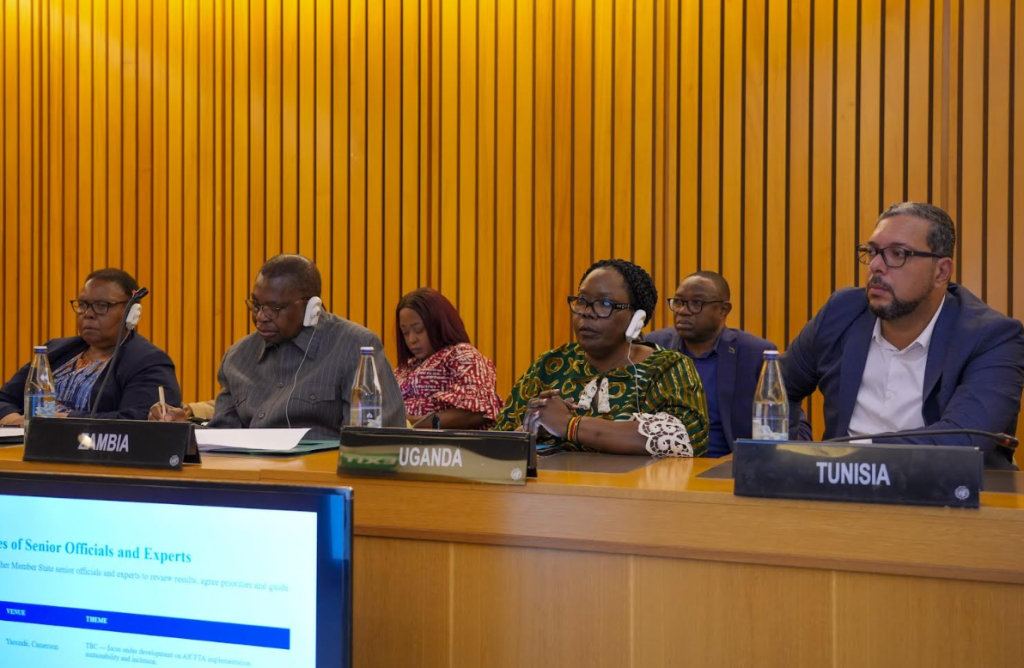
Discussions focused on several critical topics, including financing for development, progress on the Sevilla commitments, domestic resource mobilization, Africa’s debt challenges, the proposed Borrowers’ Club, and ECA’s role in advancing economic transformation and sustainable development across the continent.
Uganda Highlights Financing and Debt Coordination
Leading Uganda’s Delegation, Ambassador Otengo emphasized the need for sustained follow-up on financing for development and the implementation of the Sevilla commitments. She called for regular briefings to track progress and underlined ECA’s pivotal role in engaging international financial institutions like the World Bank and the International Monetary Fund to support Africa’s development priorities.
Ambassador Otengo stressed that while domestic resource mobilization is essential, it must be complemented by robust economic growth and enhanced productive capacity to generate adequate development resources. Uganda also voiced strong support for the proposed Borrowers’ Club, including the creation of an African chapter, seeing it as a strategic platform for African countries to coordinate positions, share experiences, and amplify Africa’s collective voice on debt and international financial reform.
The delegation further highlighted the importance of aligning the Borrowers’ Club initiative with the emerging African Common Position on Debt, advocating for close cooperation between ECA and the African Union Commission.
ECA Reaffirms Commitment to Member States
Responding to Member States’ inputs, ECA Executive Secretary Dr. Claver Gatete reiterated the Commission’s readiness to work closely with African governments, offering tailored technical support aligned with national development priorities. The briefing reaffirmed the value of regular dialogue between ECA and the diplomatic community as a cornerstone for strengthening cooperation and advancing Africa’s development agenda.
This event marks a continued commitment to fostering inclusive and effective partnerships that support sustainable development and economic transformation across Africa.