Kampala — The Government of Uganda, through National Water and Sewerage Corporation (NWSC), has launched a Shs694 billion (€145 million) project to supply water from Lake Victoria to more than 1 million people in the fast-growing areas south and west of Kampala, where many households currently receive water only on rationed days.
The Wakiso West Water and Sanitation Project will draw water from the lake at Bwerenga to serve Kyengera, Nsangi, Kajjansi, Kasanje, Kiringente, Wakiso Town Council and Mpigi Town Council. It will also cover the Entebbe Road corridor and the areas between Entebbe, Masaka and Mityana roads. About 160,000 of the beneficiaries live in informal settlements.
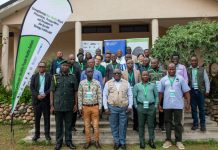
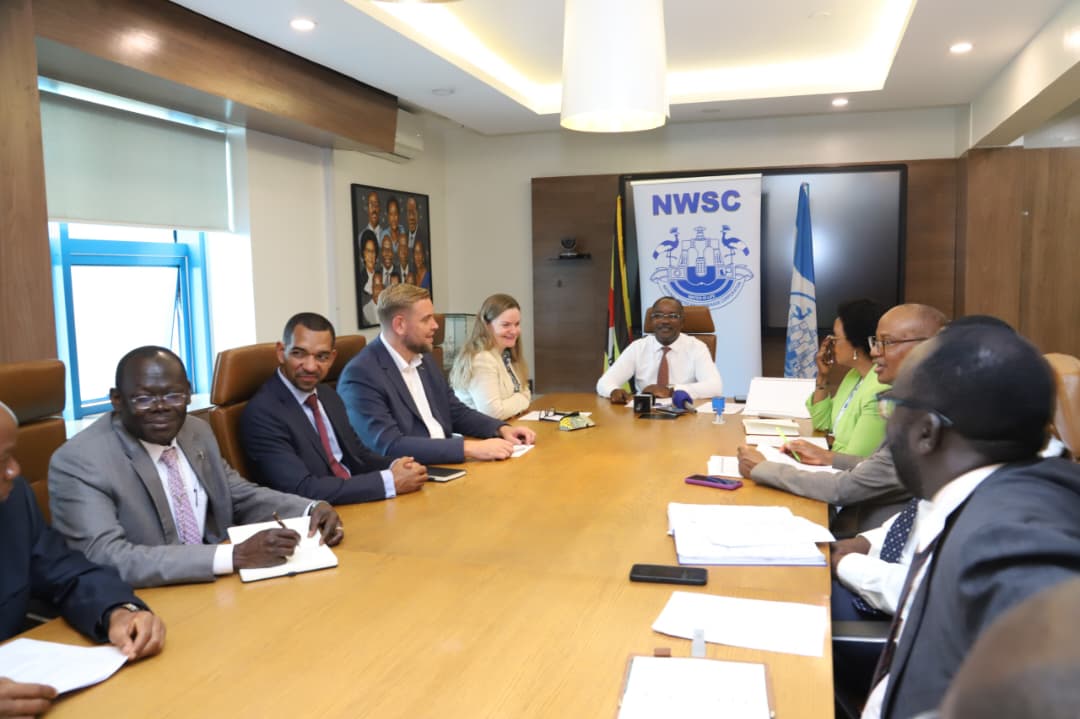
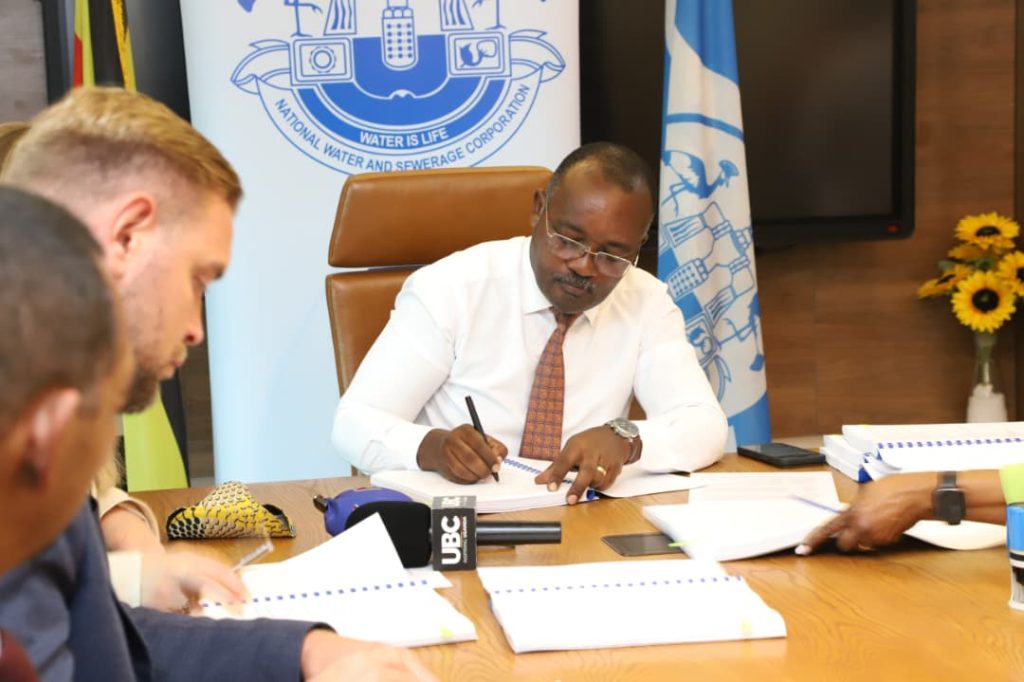
NWSC on Tuesday signed a consultancy contract for the project worth about Shs47.5 billion (€9.48 million plus Shs2.15 billion, excluding taxes). It went to a joint venture of Danish firm NIRAS A/S and German engineering firm Fichtner GmbH & Co. KG, with Ugandan firms M&E Associates Ltd and Alliance Consultants Ltd as sub-consultants. The consultants will design the works, prepare tender documents and supervise construction.
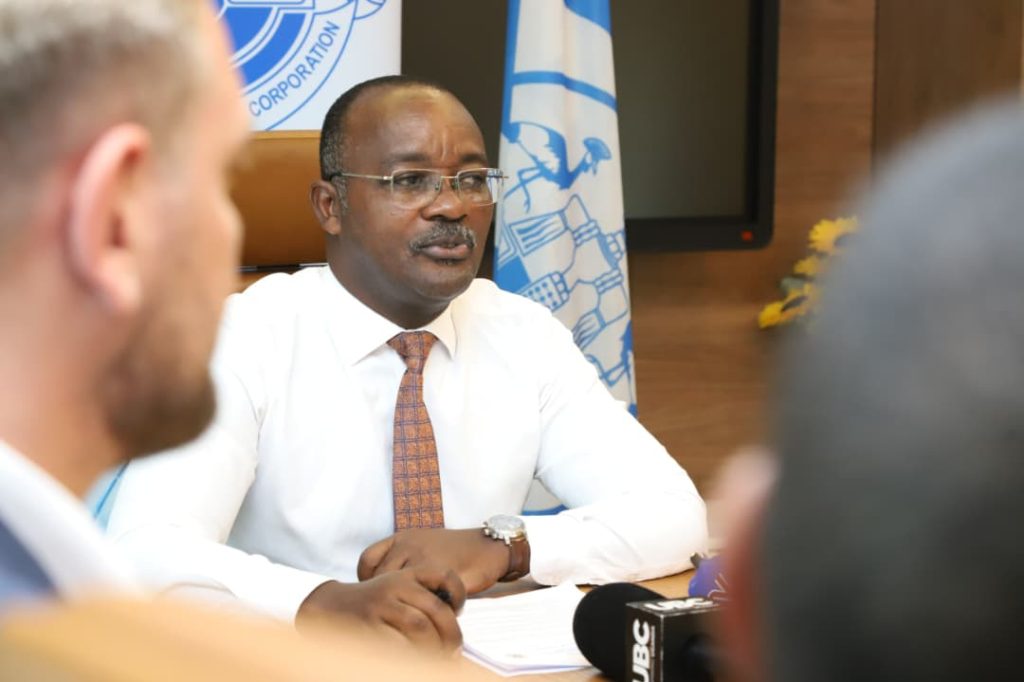
“Upon completion, the project is expected to provide over 1 million people with uninterrupted access to safe, reliable drinking water,” NWSC Managing Director Dr Silver Mugisha said.
The project addresses one of the most pressing gaps in the metropolitan area’s water supply. Kampala’s two main treatment plants, Ggaba and Katosi, are on the eastern side of the city, so water must travel long distances through an ageing network to reach the western suburbs, which have expanded rapidly over the past two decades.
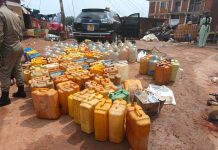
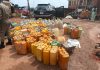
Areas served by the Ggaba system, including Kyengera, Mutundwe, Lubowa, Buziga and Munyonyo, have experienced intermittent supply as demand has grown, and the most affected areas are on rationing. In August, Kyengera residents told NTV Uganda they were buying water from wells at Shs1,000 to Shs2,000 a jerrycan.
The 2024 national census put the combined population of Kampala and Wakiso above 5.2 million, with Wakiso now the most populous district in the country.
“The demand for water in the Greater Kampala Metropolitan Service Area is growing every day, and customers need answers,” Dr Mugisha said in September.
The Bwerenga plant will treat 62.5 million litres of water a day, and its intake will be able to draw up to 200 million litres a day. Water will be carried through 94.2 kilometres of transmission pipes and 78.5 kilometres of secondary pipes to five reservoirs at Kaga, Nsangi, Nanziga, Mpigi and Bukasa, with a combined capacity of more than 15.25 million litres. Pumping stations will be built at Buloba, Katende, Maya and Ssekiwunga, and the distribution network will cover 4,300 hectares.
In informal settlements, 941 community water dispensers and yard taps with electronic prepaid meters will be installed in the parishes of Kimbejja, Katereke, Kisozi/Kitemu, Nsangi, Kasenge, Kikajjo, Bweya, Kitende, Namulanda, Nkungulutale, Kafumu, Kikonkoma, Lwanga, Bumoozi, Kakoola, Kavule, Maziba, Ssisa and Wamala.
“Recognising the importance of inclusive access to essential services, the project will establish 941 community water dispensers in informal settlements,” Dr Mugisha said. “These interventions are intended to make safe water more accessible and affordable, particularly for underserved communities.”
The project also includes a faecal sludge treatment plant on Ssekiwunga Road in Kajjansi, with capacity to handle at least 400,000 litres a day. Solar panels generating at least 2,945 kilowatts will be installed at selected sites.
“The facility will help address challenges associated with indiscriminate faecal sludge disposal, reduce the risk of contamination of surface and groundwater resources, and minimise public health risks arising from inadequate sanitation,” Dr Mugisha said.
Wakiso West is one of several NWSC projects under way to close the supply gap in the Greater Kampala area.
The Katosi plant, commissioned in December 2022 with capacity of 160 million litres a day, currently operates at about half that level because the network cannot yet carry its full output. It is to be expanded to 240 million litres a day with additional French financing approved in December 2025.
Package 2B, under construction since February 2025 and due for completion in July 2027, is laying about 70 kilometres of large pipes and building reservoirs at Kanyanya, Kabulengwa and Mutungo. It is expected to serve about 1 million more people in Kira, Kasangati, Gayaza, Kawempe, Nansana, Matugga and parts of Wakiso. A bulk line to Namugongo, Bulindo, Mulawa and Kasangati is due by December 2026, and a bulk supply line from Ggaba to the Lubowa–Kigo corridor is planned.
In informal settlements across the metropolitan area, NWSC has already installed 1,400 prepaid public standpipes and 64 sanitation facilities, serving about 450,000 residents.
Countrywide, NWSC serves an estimated 22 million people through more than 1 million connections in 287 towns, up from 23 towns in 2013. Its 2025–2030 strategic plan targets 26 million people by 2030.
The Wakiso West consultancy will run in two phases. The first, worth about Shs20 billion and fully funded by an Impact Fund Denmark grant, covers detailed designs and tender documents. It is due for completion within 20 months, with the works contract to be signed in the 19th month. The second, worth about Shs27.6 billion, covers supervision of 30 months of construction and a 12-month defects liability period. It will be financed through a concessional loan with a 50% grant component.
“Through this investment, NWSC continues to support the Government of Uganda’s efforts to expand access to essential water and sanitation services, protect public health and promote sustainable development,” Dr Mugisha said.