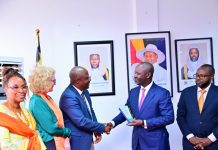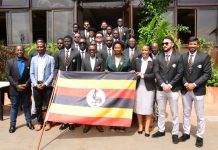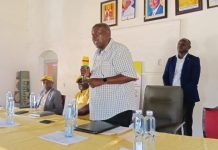
Minister for the Presidency Milly Babirye Babalanda has urged resident district commissioners and security officers in Teso to investigate complaints about government programmes, follow up stalled projects and account for public resources.
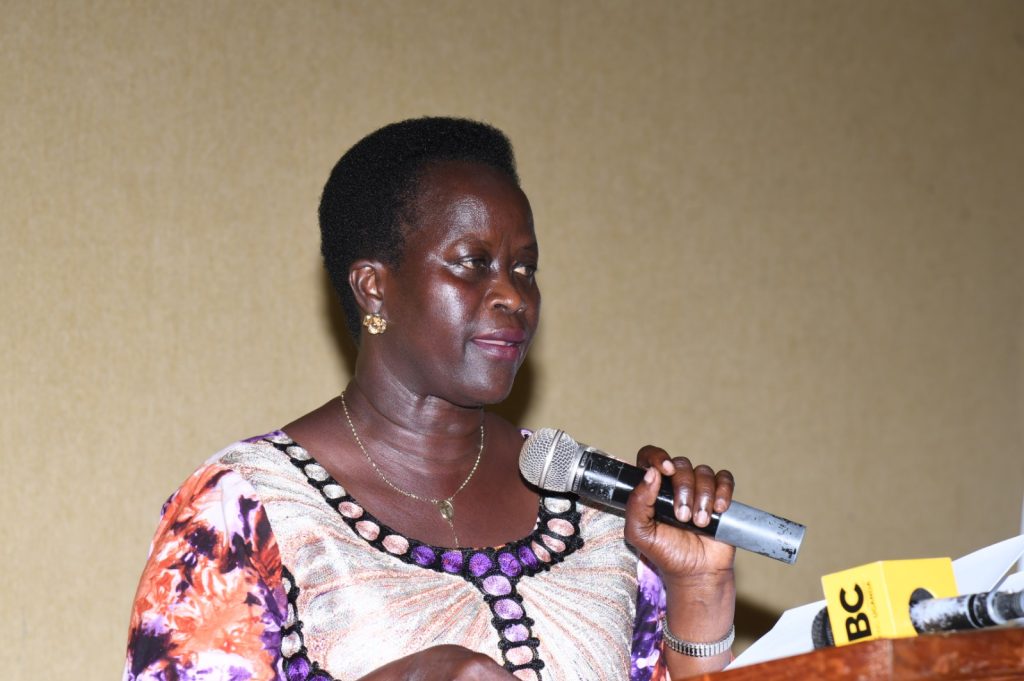
In a statement delivered by State Minister for Economic Monitoring Sandra Santa Alum, Babalanda said reports submitted to the Office of the President must establish what has gone wrong, identify those responsible and recommend action.
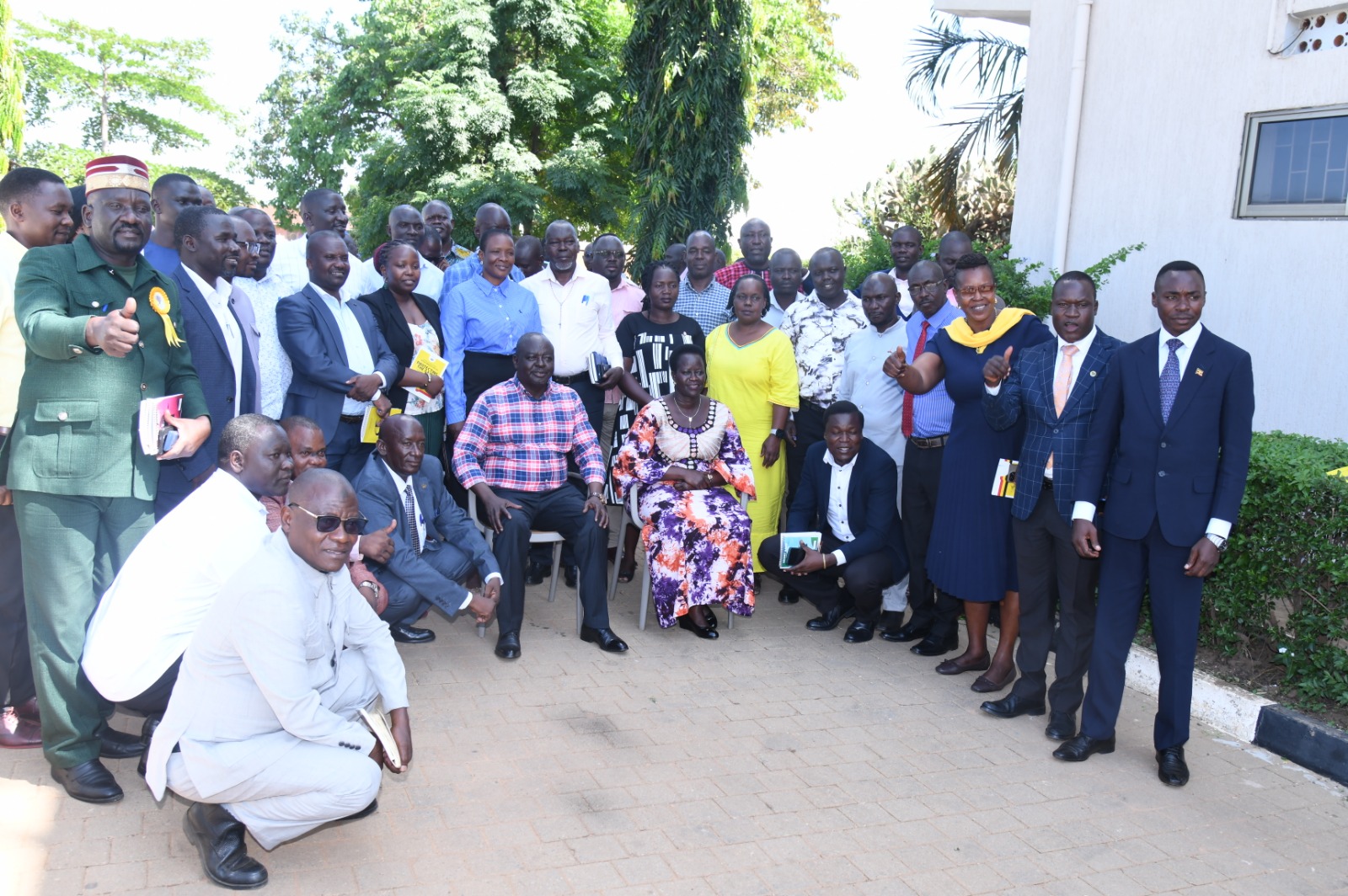
Alum represented Babalanda at the close of a three-day workshop at Akello Hotel in Soroti City on Friday, 27 November 2026. Participants included resident district and city commissioners, their deputies and assistants, and regional and district internal security officers.
“Your appointment should be reflected in diligence, discipline, integrity and tangible results,” Babalanda said.
She said officers representing the President and central government must monitor public programmes, coordinate institutions and provide reliable information to guide government decisions.
For delayed projects, she said RDCs should establish the causes, identify the responsible institutions and officers, engage the relevant authorities and recommend solutions.
Reports on Parish Development Model complaints should identify the affected beneficiaries, explain the circumstances, record action already taken and highlight issues requiring further intervention.
Make offices accessible
Babalanda urged officers to make their offices accessible, particularly to women, young people, older persons and persons with disabilities.
People seeking help with land disputes, exclusion from government programmes or abandoned public projects should receive guidance and follow-up, she said.
“Let no citizen leave your office feeling ignored, intimidated or abandoned by Government,” Babalanda said.
She cautioned officers against making promises outside their authority and urged them to establish facts and refer complaints to the institutions responsible. Citizens should receive fair treatment regardless of political affiliation or social status.
Babalanda also warned against confrontations with elected leaders and technical officers. She said RDCs should respect their respective roles and avoid turning official disagreements into personal disputes or using public office to settle scores.
On security, she called for timely, factual reports that clearly distinguish verified information from concerns requiring investigation. She urged district internal security officers to handle intelligence discreetly and provide analysis that helps authorities detect threats early and respond appropriately.
She warned against irresponsible public statements, inappropriate social media exchanges, disclosure of confidential information and unnecessary disputes with the media.
Officers were also cautioned against soliciting money, favours or personal benefits from citizens and public institutions. Babalanda said government vehicles, equipment and funds must be used responsibly, with officers remaining accountable under the law and public service rules.
Use Teso’s agricultural opportunities
Babalanda asked RDCs to work with technical staff, farmers’ organisations, cooperatives, businesses and development partners to address problems affecting production, storage, markets and processing.
She cited cassava, rice, sunflower, sorghum, groundnuts and livestock as opportunities for households and businesses in Teso, and described Soroti City as an important centre for trade, transport and agricultural processing.
She questioned why many households remained economically vulnerable despite those opportunities and urged officers to identify obstacles preventing residents from earning more.
Manifesto linked to national development plans
At the workshop, Marvin Ssenkungu, an economist in the Manifesto Implementation Unit at the Office of the President, said the NRM’s 2026–2031 manifesto has been aligned with the Fourth National Development Plan and the government’s Tenfold Growth Strategy.
He said the aim is to place the party’s commitments within national plans for increasing household incomes, employment and production.
NDP IV is being implemented under the theme “Sustainable Industrialisation for Inclusive Growth, Employment and Wealth Creation.”
Ssenkungu said its objectives include helping more Ugandans earn from producing goods and services for sale. He said the NRM’s five-year economic programme seeks to double the size of the economy and bring every adult Ugandan into market production.
The Tenfold Growth Strategy targets an expansion of the economy from approximately $50 billion to $500 billion by 2040, building on Uganda Vision 2040 and successive national development plans.
Ssenkungu said the strategy prioritises agro-industrialisation, tourism, mineral development, and science, technology and innovation, known collectively as ATMS.
He said more than 85 per cent of public expenditure is expected to go towards those sectors and the infrastructure and services supporting them.
He also cited projected economic growth of between 6.5 and 7 per cent in the 2026/27 financial year, with further growth expected when commercial oil production begins.
Ssenkungu said industrialisation, local processing, innovation, exports and private investment would be central to creating jobs and increasing household incomes.