
By David Mwanje
Lake Victoria Basin is facing a deepening environmental crisis that threatens millions of people who depend on the lake for food, jobs and trade across East Africa.
New findings released ahead of the State of the Lake Victoria Basin Report 2025 show growing pressure on the lake from pollution, climate shocks and biodiversity loss.
According to the Lake Victoria Basin Commission, nearly 40 percent of the lakebed no longer has enough oxygen to support fish and other aquatic life. Scientists warn that the low oxygen zones are reducing fish breeding and threatening fisheries that support communities in Uganda, Kenya, Tanzania, Rwanda and Burundi.
The warning comes as fishing communities across the region continue to register falling catches and declining incomes. In Kenya alone, annual fish landings have dropped from about 200,000 tonnes in 2002 to nearly 98,000 tonnes today.
Environmental experts say the crisis stretches beyond fisheries. More than 200 native fish species have disappeared from the basin since the 1950s, with some believed to be extinct. Conservationists warn that continued biodiversity loss could permanently damage one of Africa’s most important freshwater ecosystems.
Climate change is also worsening conditions around the lake. Between 2020 and 2024, climate-related disasters caused an estimated economic loss of 4.8 billion US dollars across countries linked to the basin. Floods, droughts and erratic rainfall have damaged infrastructure, disrupted agriculture and affected water quality.
Experts say pollution from urban centres, industrial waste, agricultural runoff and habitat destruction are all contributing to the lake’s declining health. Low oxygen levels are particularly worrying because they weaken aquatic ecosystems and reduce their ability to recover from environmental shocks.
The Lake Victoria Basin Commission, working with partners including German Cooperation and GIZ, says the upcoming State of the Lake Victoria Basin Report 2025 will provide one of the most detailed assessments of the lake’s condition and propose measures to restore ecosystems, improve water quality and strengthen climate resilience.
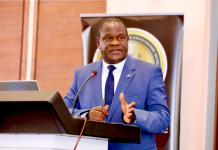
Dr. Masinde K. Bwire, Executive Secretary of the EAC Lake Victoria Basin Commission, says long-term recovery will depend on cooperation among East African countries because environmental damage in one area quickly affects the wider basin.
Environmental groups are also calling for greater involvement of fishing communities and shoreline residents in conservation efforts as pressure mounts to save Africa’s largest freshwater lake from further decline