Legislators have tasked the Uganda Electricity Distribution Company Limited (UEDCL) to explain persistent delays in connecting Ugandans to the national electricity grid and continued power outages despite significant government investment following the Umeme buyout.
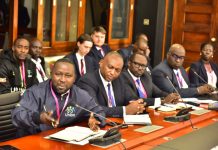
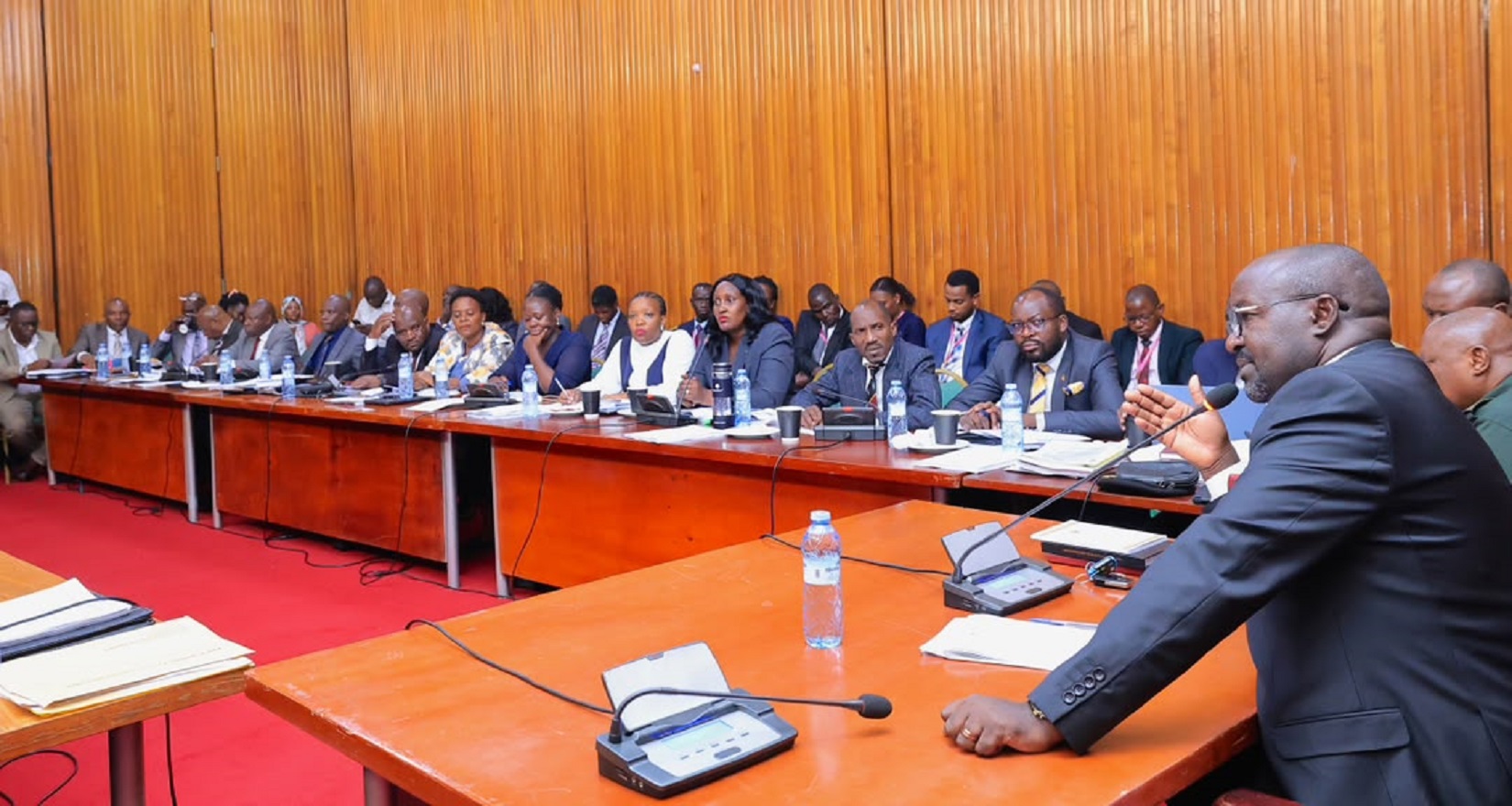
During an appearance before Parliament’s Public Accounts Committee (Central Government), Committee Chairperson Patrick Nsamba questioned why improvements in electricity distribution have remained limited despite UEDCL receiving substantial funding and taking over infrastructure previously managed by Umeme.
Nsamba said Ugandans had been promised improved services following the transition from Umeme, but many consumers were yet to see significant changes.
“Ugandans were promised big about the transition. Government said Umeme was expensive and it wanted to make bigger investments. Since the buyout, you have received several loans and also inherited infrastructure, but Ugandans are not seeing the progress,” Nsamba said.
Wakiso District Woman Representative Betty Naluyima also questioned UEDCL’s capacity to effectively handle customer complaints, noting that consumers previously had channels through which they could receive timely feedback.
She asked UEDCL to clarify whether it had sufficient staff to maintain the level of customer service previously provided under Umeme.
Responding to the concerns, UEDCL Acting Managing Director Joselynne Rwakakooko attributed some of the challenges to limited investment in maintaining and expanding electricity infrastructure inherited from Umeme.
She told MPs that substations require continuous maintenance and capacity upgrades to remain reliable and warned that failure to invest adequately in the infrastructure affects performance.
“Infrastructure capability is not static, so even if you inherit a substation and do not increase its capacity on time, do not carry out timely maintenance, it will deteriorate and its performance will not be optimal,” Rwakakooko said.
Permanent Secretary at the Ministry of Energy and Mineral Development Irene Batebe told the committee that the Government had made funding available to UEDCL following the Umeme buyout, but some of the money had been held up by procurement processes for transformers and substations.
Batebe said procurement delays had been identified as one of the major risks facing UEDCL during the transition. She added that the Government had engaged the Public Procurement and Disposal of Public Assets Authority (PPDA) to allow the company to use shorter procurement cycles for critical electricity equipment.
She also clarified that Umeme transferred its electricity distribution network and associated assets to UEDCL, while 96 per cent of former Umeme employees had been absorbed into the company.
MPs also raised concerns about Ugandans who paid for electricity connections before the end of the Umeme concession but remain unconnected.
Nsamba demanded assurances that the outstanding customers would be connected, while Mubende District Woman Representative Hope Nakazibwe said her district had experienced a prolonged period without new electricity connections.
Mukono County North MP Abdallah Kiwanuka similarly questioned the criteria used to prioritise communities seeking transformers, saying some villages in his constituency had waited for more than three years.
Rwakakooko told the committee that one of UEDCL’s biggest challenges has been the shortage of electricity meters required to connect new customers.
She said the company has made nearly 77,000 connections this year using available materials and is now working to clear the outstanding backlog.
According to Rwakakooko, UEDCL had received more than 100,000 meters by July, which are expected to accelerate connections for customers who have been waiting to join the national grid.
“As meters come in, we are going to go back for all the customers who are ready to connect,” she said.