
By David Mwanje
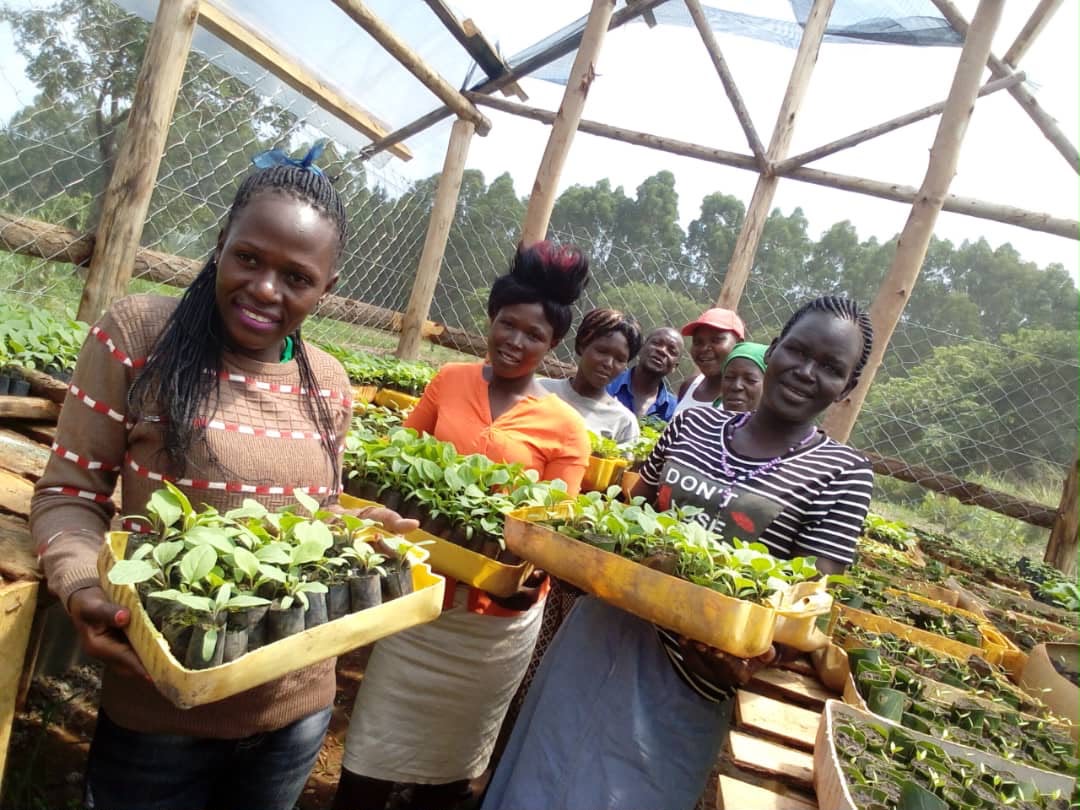
Women’s World Banking has launched a pilot project in Uganda that will use blockchain technology to speed up insurance payouts for about 3,000 women smallholder farmers, helping them recover more quickly from climate and health-related shocks.
The initiative, developed in partnership with blockchain solutions provider Ripple, introduces a stablecoin-enabled insurance model intended to deliver financial support within hours rather than months. It targets women farmers in Uganda’s refugee and host communities who face growing risks from drought, crop failure, illness and income disruption.
Under the system, payouts will be triggered automatically when predefined events such as drought, crop loss or health emergencies occur. Instead of filing insurance claims and waiting for approval, beneficiaries will receive payments directly through mobile money in Uganda shillings.
Ripple’s US dollar-backed stablecoin, RLUSD, will operate behind the scenes as the settlement mechanism, allowing transactions to be processed more quickly and transparently.
Women’s World Banking says the project comes at a time when climate change is placing increasing pressure on Uganda’s agriculture sector, where most smallholder farmers depend on rainfall for production. Women farmers are among the hardest hit and often lack access to financial products that can help them recover after disasters.
Stephen Ambore, Policy Director for Africa at Women’s World Banking, said timely financial support can prevent women from selling productive assets or falling into debt after unexpected shocks.
He said faster insurance payouts would allow women to continue investing in their farms, businesses and families while strengthening their long-term financial security.
Ripple says the pilot shows how blockchain technology can be used to address practical challenges beyond digital payments.
Jonathan Perri, Director of Social Impact at Ripple, said the partnership demonstrates how programmable digital assets can automate insurance payouts and improve speed and efficiency for vulnerable communities.
Women’s World Banking will work with insurance technology company Pula to design and implement the insurance product alongside humanitarian partners operating in affected communities.
The pilot combines parametric insurance, where payouts are triggered automatically once agreed conditions are met, with blockchain-based settlement to reduce delays and lower operational costs.
Beyond providing insurance, the project will also assess whether faster financial support improves women’s resilience over time.
Researchers will measure changes in participants’ ability to cope with financial shocks, make independent financial decisions and manage household resources using Women’s World Banking’s Economic Empowerment Barometer.
The pilot also aims to show that stablecoin-backed financial services can improve transparency and efficiency in humanitarian assistance while generating evidence for possible expansion across financial and relief systems.
Women’s World Banking has spent more than four decades promoting financial inclusion for women globally. Since 2018, the organisation says it has reached 118 million women and 76 million men through programmes aimed at expanding access to financial services and economic opportunities.
Founded in 2012, Ripple provides blockchain-based financial solutions for businesses, covering payments, digital asset custody, liquidity and treasury management. Its RLUSD stablecoin and XRP-powered infrastructure are increasingly being explored for use in mainstream financial services.