By Sarah Natoolo
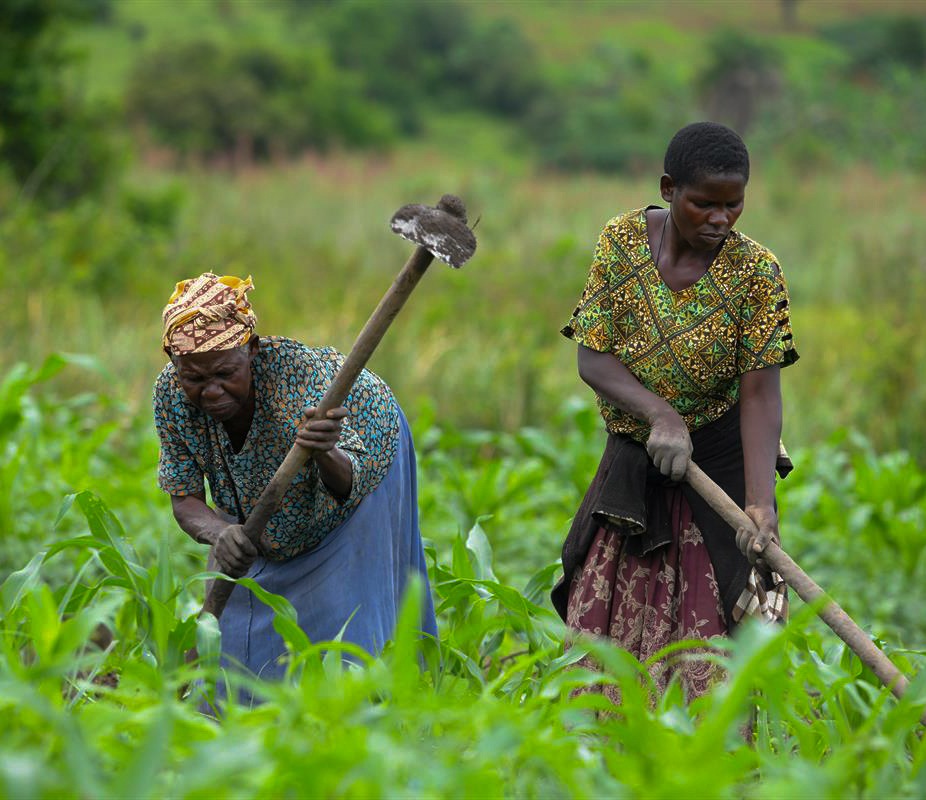
The National Agricultural Research Organisation NARO has commended Ugandan women for their invaluable contribution to sustaining agricultural production, strengthening household food security and supporting the country’s economy despite increasing climate change challenges.
The Director General, NARO, Dr Yona Baguma, recognises women farmers as central players in Uganda’s agricultural transformation, noting that their continued participation in crop production, livestock management, food processing and marketing remains critical to the country’s food systems and economic development.
Dr Baguma’s message underscores the importance of supporting women with appropriate agricultural technologies, climate smart innovations, improved seeds and reliable water sources to enable them to maintain production throughout the year.
Agriculture remains a major pillar of Uganda’s economy, contributing approximately 24 per cent of the country’s Gross Domestic Product in the 2023/2024 financial year and employing more than 70 per cent of the population, according to the Food and Agriculture Organization FAO.
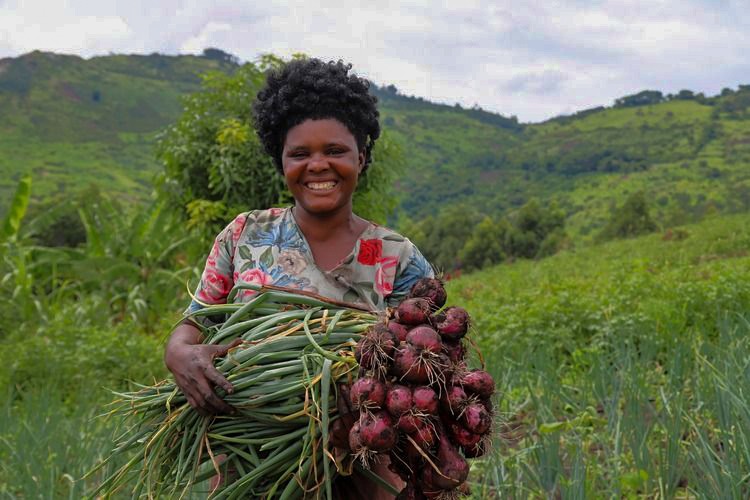
Women make a substantial contribution to this sector. World Bank research estimates that women account for approximately 56 per cent of agricultural labour in Uganda’s crop production, highlighting their important role in ensuring that food reaches households and markets.
However, their efforts are increasingly threatened by climate related challenges, including prolonged droughts, unpredictable rainfall, floods, pests and crop diseases.
Droughts have become a major concern for farmers, particularly those who depend entirely on seasonal rainfall.
Prolonged dry spells affect crop germination, reduce yields and sometimes lead to complete crop failure.
On the other hand, excessive rainfall and flooding destroy gardens, wash away fertile topsoil and damage rural infrastructure, making it difficult for farmers to transport produce to markets.
The World Bank’s climate and agriculture assessments also point to increasing risks from pests and diseases. Changing temperatures and rainfall patterns can create favourable conditions for crop diseases and pest outbreaks, threatening crops such as maize, bananas, beans and coffee.
A World Bank assessment of reported weather shocks between 2015 and 2022 found that drought had been experienced in 84 per cent of the surveyed communities, erratic rainfall in 76 per cent and floods in 42 per cent. These figures illustrate the scale of climate related risks facing agricultural communities.
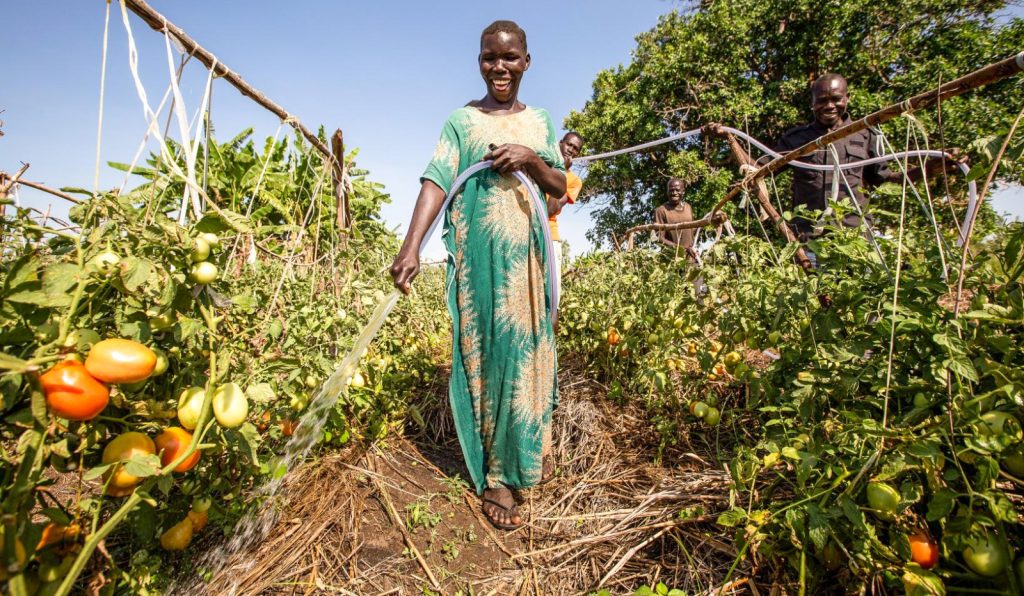
It is Against this background that irrigation is increasingly becoming an essential intervention in sustaining agricultural production.
Dr Baguma’s emphasis on agricultural innovation reinforces the need to promote irrigation technologies that allow women farmers to grow crops even when rainfall is insufficient.
Through small scale irrigation systems, water harvesting, solar-powered pumps and community water facilities, farmers can reduce dependence on unpredictable rainfall, increase production cycles and improve household incomes.
He said , Irrigation also provides opportunities for women to diversify into horticulture, vegetable production and other high value crops, creating additional income streams while improving household nutrition.
Beyond irrigation, women farmers need improved access to climate resilient seed varieties, agricultural extension services, affordable financing, mechanisation and timely information on weather patterns, pests and diseases.
NARO’s agricultural research and technology development agenda provides an important opportunity to address these challenges by developing and promoting innovations that respond to the practical needs of farmers.
Dr Baguma said , Uganda works towards increased agricultural productivity and food security, noting that, recognising and investing in women farmers will remain essential.
Dr Baguma noted that sustaining agricultural production requires more than the commitment of farmers.
It requires deliberate investment in research, irrigation, climate smart agriculture and technologies that empower women to remain productive despite changing climatic conditions.
He believes that, With the right support, Ugandan women can continue playing a transformative role in building resilient agricultural systems, protecting livelihoods and securing the country’s food future.