By Sarah Natoolo
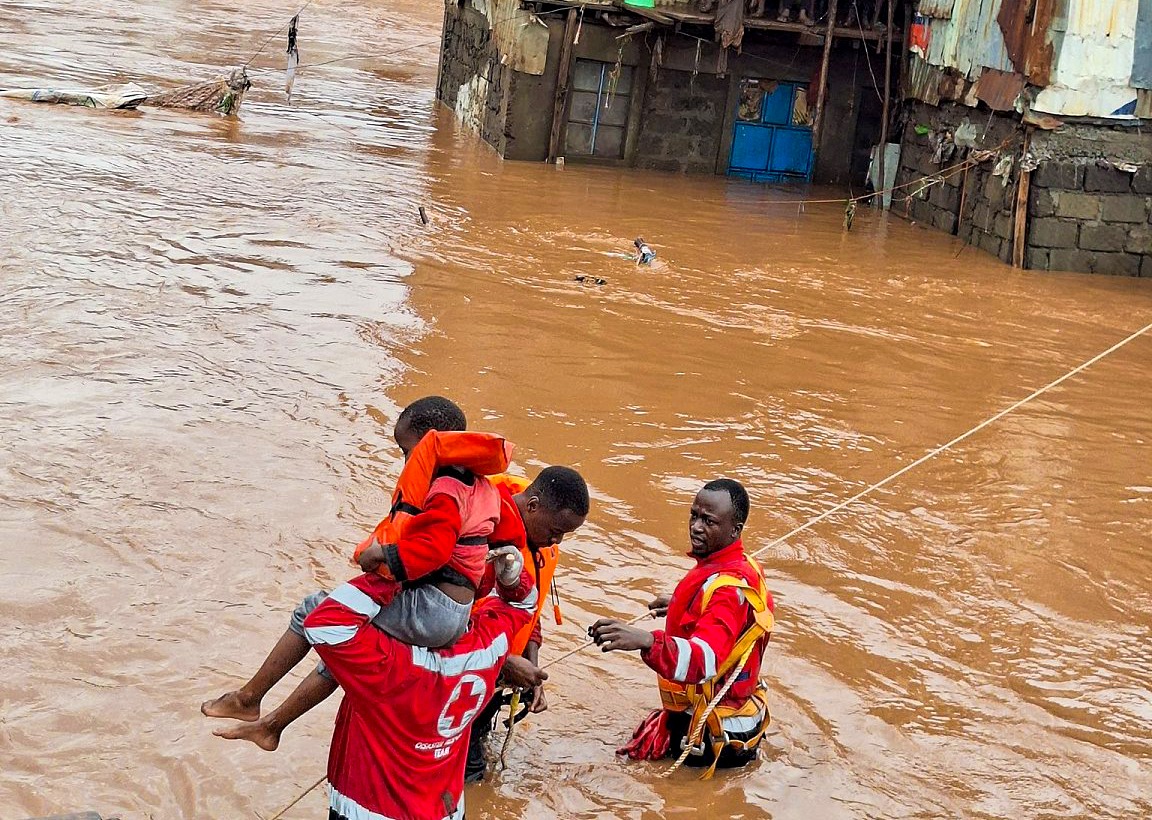
To many children in Uganda, the rainy season is no longer simply a time of muddy playgrounds and heavy showers. It has become a period of fear, uncertainty and disruption. As floods sweep through communities, homes are submerged, schools are destroyed, families are displaced and children are left struggling to cope with the devastating consequences of extreme weather conditions.
From the flood-prone districts of Ntoroko, Kasese and Butaleja to communities along the shores of Lake Victoria, children are increasingly bearing the burden of climate related disasters. to a child, a flood means more than rising water levels.
It can mean losing a home, missing school, going without food, contracting waterborne diseases and being separated from loved ones.
The scale of the crisis is reflected in statistics, According to UNICEF’s Uganda Humanitarian Situation Report covering January to December 2024, approximately 413,756 people were affected by hydrometeorological hazards across 31 districts, with children accounting for 35 per cent.
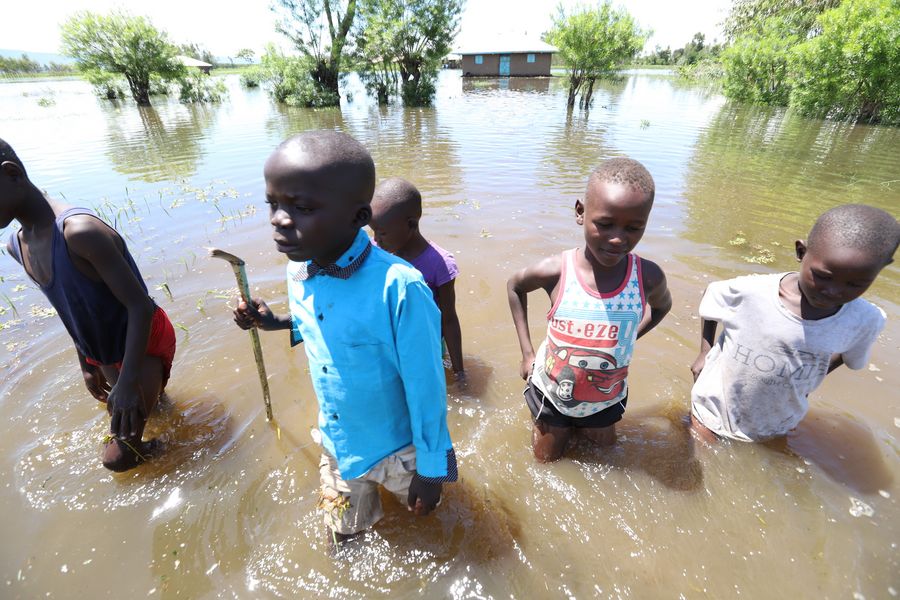
This translates to approximately 144,814 children affected by extreme weather-related hazards.
The International Organization for Migration (IOM) also reported that during May 2024, 46,457 people were affected by floods, landslides and other weather related hazards. Children below the age of 18 accounted for 33 per cent of those affected, representing approximately 15,331 children.
These figures demonstrate the disproportionate vulnerability of children during emergencies.
In August 2024, severe flooding in Ntoroko District affected 19,098 people, including 2,725 children.
Homes, sanitation facilities and water sources were destroyed, leaving families exposed to unsafe living conditions and increasing the risk of disease outbreaks.
According to Dativa Nuwashaba, Branch Manager of the Uganda Red Cross Society’s Entebbe Branch, the impact of extreme weather on children deserves particular attention because their vulnerability extends beyond the immediate destruction caused by floods.
Children living in affected communities face numerous challenges. When schools are flooded or converted into temporary shelters, learning comes to a standstill. Some children lose their books, uniforms and other educational materials. Others are forced to walk long distances to find alternative schools, while some remain out of school because their families can no longer afford basic necessities.
The health implications are equally concerning. Floodwaters can contaminate drinking water sources, increasing children’s exposure to diarrhoeal diseases, cholera and other infections. Displacement also exposes children to protection risks, psychological distress, malnutrition and uncertainty about their future.
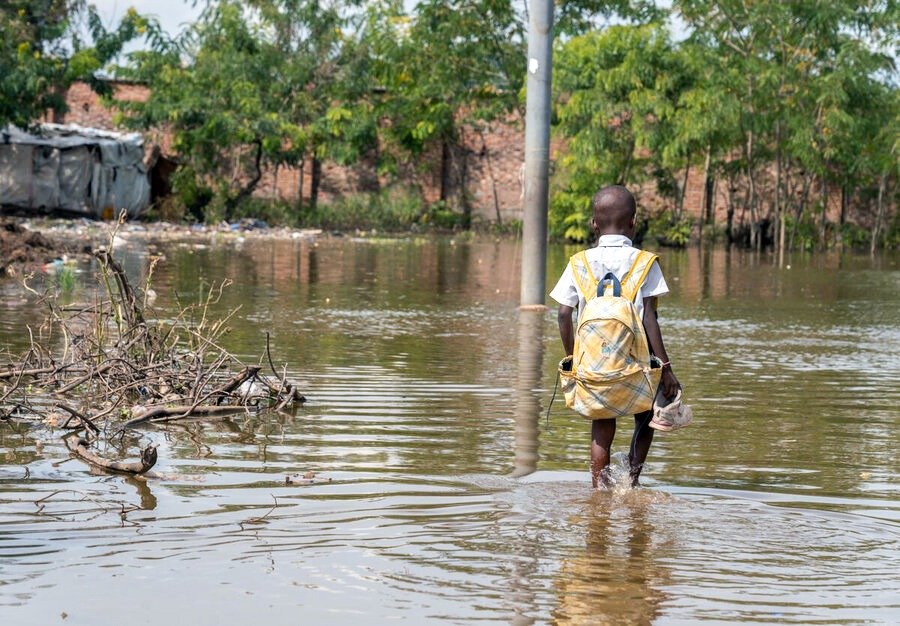
Nuwashaba said that , families around Lake Victoria and other flood prone areas, repeated flooding threatens livelihoods, particularly fishing, farming and small scale businesses. When parents lose their sources of income, children often suffer through reduced meals, interrupted education and limited access to healthcare.
She Added that, this crisis requires more than emergency food and shelter assistance. Communities need effective early-warning systems, safe evacuation centres, climate-resilient schools, clean water and sanitation facilities, and child-friendly spaces where affected children can receive psychosocial support.
The Uganda Red Cross Society, government institutions, humanitarian organisations and communities all have a role to play in strengthening disaster preparedness and protecting vulnerable populations.
Nuwashaba stressed that, children should not have to choose between their safety and their education every time heavy rains arrive. Protecting Uganda’s children from the effects of extreme weather is not simply an emergency response priority, but , it is an investment in the country’s future.