By Parliament Press
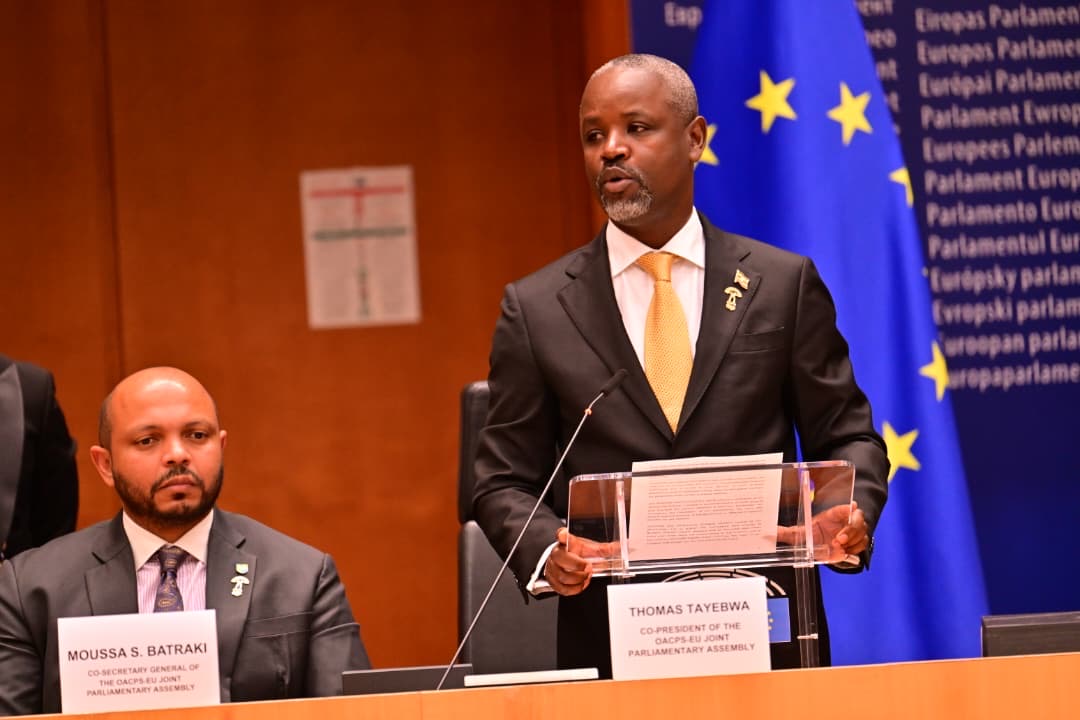
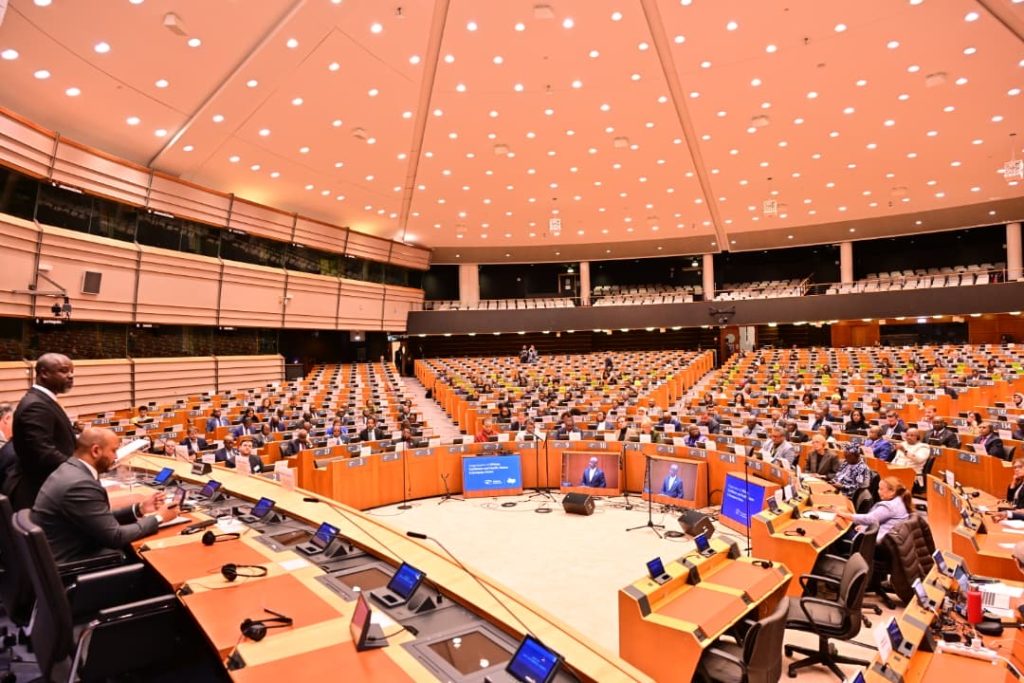
BRUSSELS: Deputy Speaker of Parliament Thomas Tayebwa has called for fairer trade arrangements, increased investment and accessible climate financing as the Organisation of African, Caribbean and Pacific States (OACPS) and European Union Joint Parliamentary Assembly opened in Brussels.
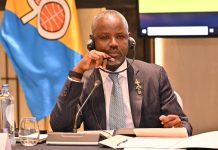
Speaking at the European Parliament, Tayebwa, who is President of the OACPS Parliamentary Assembly and Co-President of the Joint Parliamentary Assembly, said cooperation between the two blocs must deliver economic benefits to member states.
“The OACPS would like to see an economic partnership that delivers tangible benefits, including investment, local value addition, skills development and decent employment in our countries,” Tayebwa said.
He presented priorities agreed upon during Sunday’s OACPS Parliamentary Assembly meeting, including trade, investment, climate financing and the ratification of the Samoa Agreement.
On climate change, Tayebwa called for affordable financing that vulnerable countries can access without accumulating unsustainable debt.
He cited droughts, flash floods and rising sea levels among the challenges affecting developing countries and urged international partners to ensure climate funding reaches affected communities.
Tayebwa also called on OACPS and EU member states to speed up ratification of the Samoa Agreement, which provides the framework for political, economic and development cooperation between the two blocs.
The opening session was addressed by Timor-Leste President and Nobel Peace Prize laureate José Ramos-Horta, European Parliament President Roberta Metsola, Jamaican Prime Minister Andrew Holness and European Parliament Vice-President Younous Omarjee.
The leaders called for continued parliamentary dialogue and cooperation in addressing international challenges.
The Joint Parliamentary Assembly is co-chaired by Tayebwa and his European Union counterpart, Francisco Assis.
The discussions are expected to focus on trade, investment, climate financing and cooperation between the two blocs, which together represent nearly two billion people.