
By Samuel Ssenono
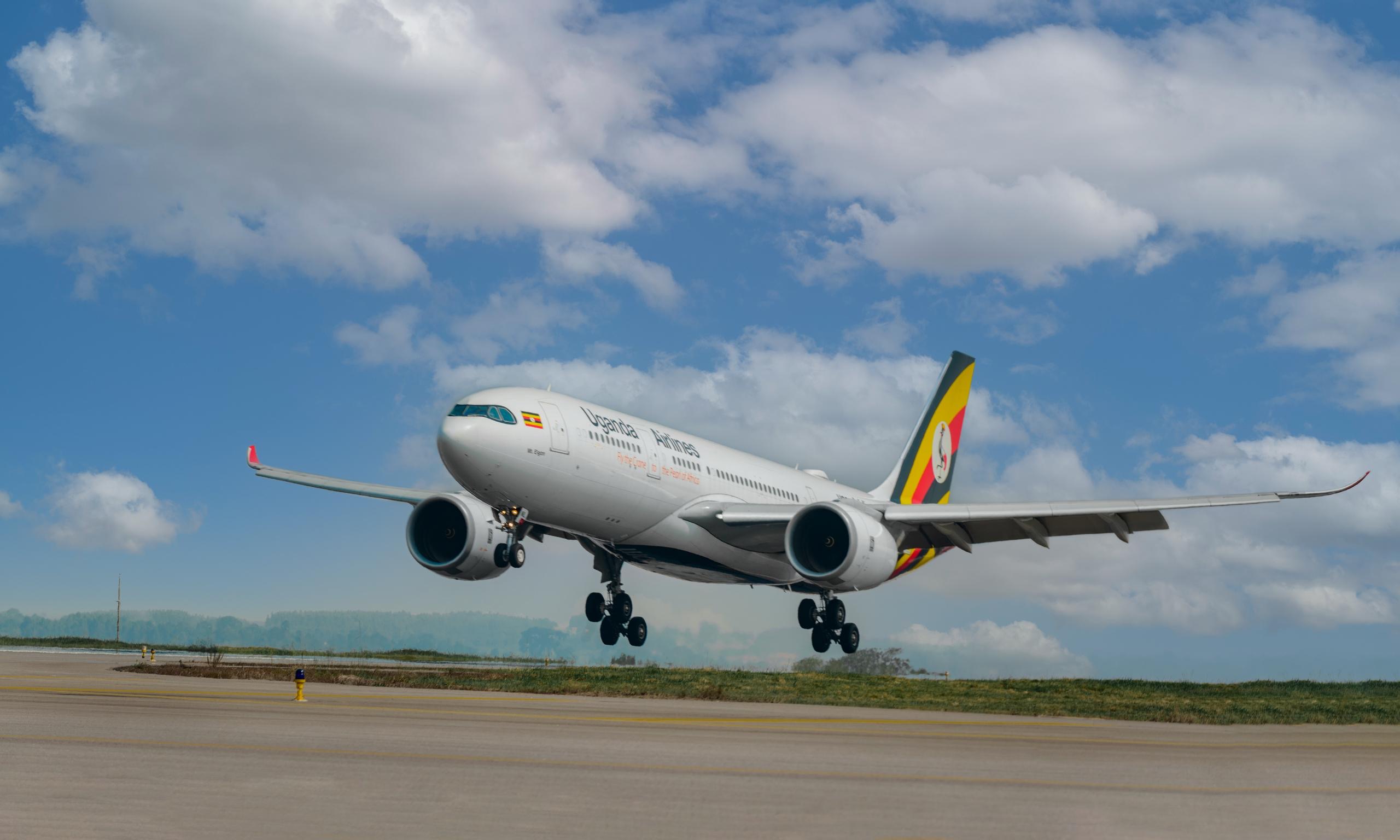
African airlines are expected to post the strongest traffic growth in 2026 as global carriers count the cost of war-related disruptions in the Middle East and rising fuel prices.
The latest outlook from the International Air Transport Association shows that Africa’s passenger demand is projected to grow by 10 percent, ahead of other regions, as some traffic is rerouted away from the Middle East. Capacity in Africa is expected to rise by 7.7 percent.
But the growth will not translate into strong profits.
IATA expects African airlines to make a combined net profit of only 100 million dollars in 2026, down from 300 million dollars in 2025. The region’s net profit margin is forecast at just 0.2 percent, while profit per passenger is expected to fall to 40 cents.
IATA says the gains are likely to benefit a small number of African hub carriers with established links between Africa, Europe and Asia. Smaller airlines, many of them operating with weaker balance sheets, are expected to face a tougher year.
The association says African carriers remain exposed to high fuel prices, limited access to capital, lower aircraft utilisation, weak infrastructure, fragmented airspace and poor cross-border coordination.
Globally, airline profits are expected to fall sharply from 45 billion dollars in 2025 to 23 billion dollars in 2026. IATA says the drop has been driven by war-related disruptions in the Middle East and a sharp rise in jet fuel prices.
Jet fuel prices are expected to average 152 dollars per barrel in 2026, up almost 70 percent from 2025. Fuel is now expected to take up 31.4 percent of airline operating costs, compared to 25.4 percent last year.
IATA Director General Willie Walsh said airlines are carrying the weight of the fuel shock, even as fares rise.
“Airlines are bearing the brunt of the fuel price shock. While air fares are rising, airlines are still absorbing part of the hike in their bottom lines,” Walsh said.
The Middle East is expected to be the worst-hit region, with airlines there projected to post a 4.3 billion-dollar loss after airspace closures, flight disruptions and weaker transfer traffic.
Despite the pressure, passenger numbers worldwide are expected to reach 5.1 billion in 2026, while airlines are forecast to fill a record 84 percent of seats.
IATA says the figures show demand for air travel remains strong, but the industry’s margins remain thin and vulnerable to shocks.
For Africa, the message is mixed. More passengers are coming through the continent’s hubs, but high costs and long-standing structural weaknesses continue to limit how much airlines can earn from that growth.