By Wadulo Arnold Mark
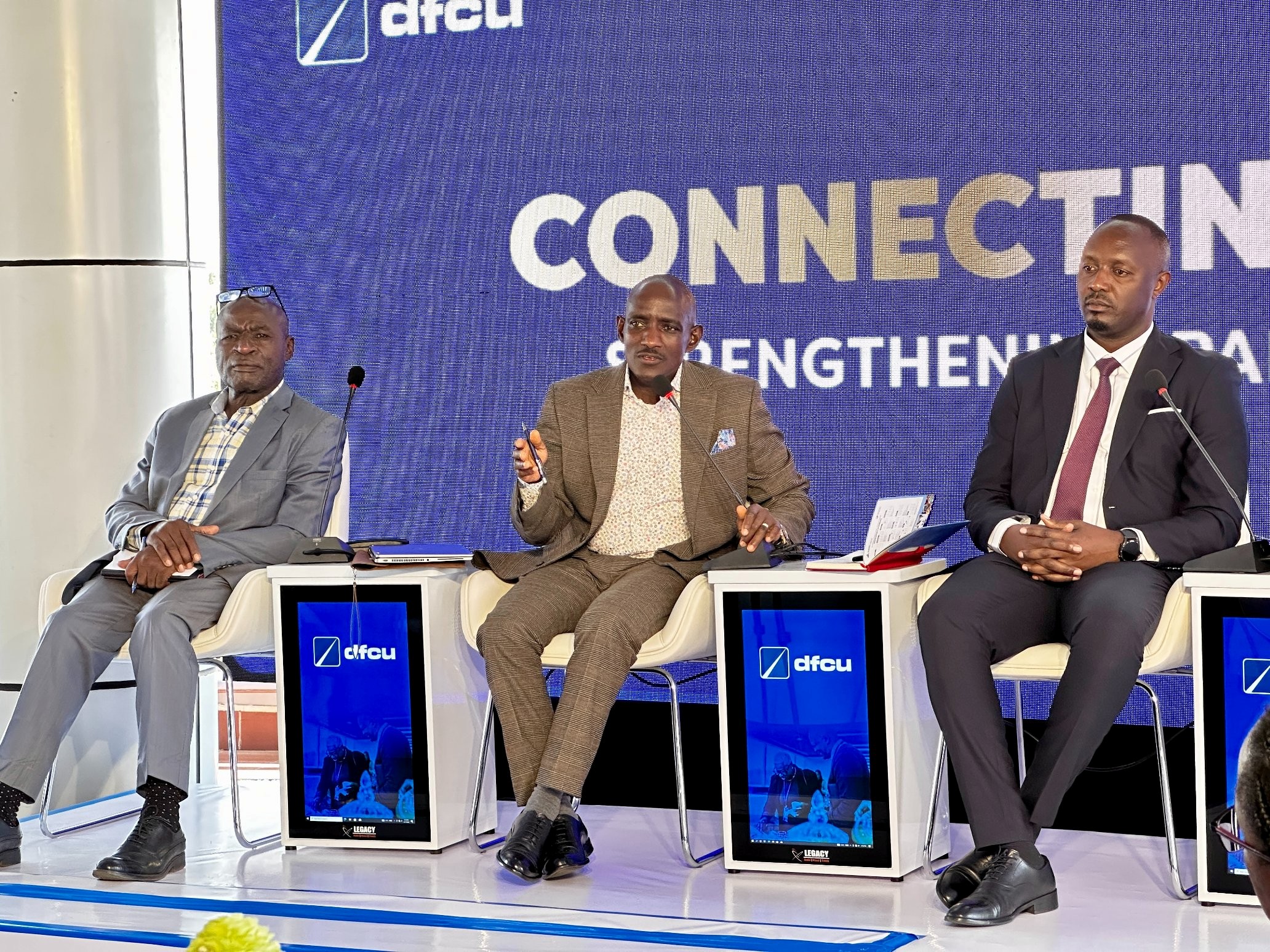
DFCU Bank is positioning itself as the primary financial “partner of choice” for Uganda’s international schools by launching a specialized strategy to address the sector’s unique capital requirements and operational hurdles. Through “sector specialization,” the bank aims to move beyond traditional lending to understand the specific needs of educational institutions.
Addressing Sector Challenges
International schools face significant hurdles, including the high cost of digital transformation and the need for robust infrastructure. Sam Turya, CEO of Kaboja International School, noted that while digital integration is “the order of the day,” it requires heavy investment in expensive software and protocols to manage risks like cyberbullying and data vulnerability. Additionally, schools must manage complex cash flows and “foreign exchange pressures” while maintaining international standards.
There is also an ongoing dialogue regarding the regulatory landscape. Christopher Kawesa, Executive Director of Private Education Institutions, emphasized the need for “clarity on regulatory expectations” and suggested that the government and financial institutions collaborate on “education zones” and low-cost funding to attract investment.
Tailored Financial Solutions
To address these issues, DFCU has introduced products that align with the school calendar. Brian Katamba, DFCU’s Sector Head for Education and Health, explained that the bank synchronizes loan repayments with termly fee collections: “I cannot come and say it is an ordinary business and then I charge you per month on repayment… [we] align your loan repayments on your alignment of cash flows”.
Key interventions include:
- USD Collection: Integration with SurePay allows schools to collect fees in U.S. Dollars directly through mobile network operators.
- Infrastructure Support: Asset financing for “top-tier swimming pools,” STEM laboratories, and generators ensures institutions provide “value for money” to parents.
- Operational Continuity: Bridge financing covers costs during holidays when fee inflows cease, while the QuickConnect platform allows proprietors to manage payroll and taxes remotely.
Ultimately, the strategic collaboration between DFCU Bank and Uganda’s international schools signifies a shift from traditional lending toward a “connected ecosystem” built on deep sector specialization