By Sarah Mawerere
As the globe responds to the call for a “Green Transition”, humanity is embarking on a journey of moving away from activities that harm the earth to sustainable ways of protecting it.
The global agenda on the Green Transition is a coordinated international effort to shift the global economy toward environmental sustainability, climate resilience, and low-carbon emissions.
Driven primarily by the Paris Agreement and the UN 2030 Agenda for Sustainable Development, it outlines several core priorities to prevent catastrophic climate change and ecosystem degradation.
The green transition is a process towards a new development model that ensures environmentally sustainable and fairer societies. Global efforts to localize the Green Transition focus on translating top interventions into down or local initiatives.
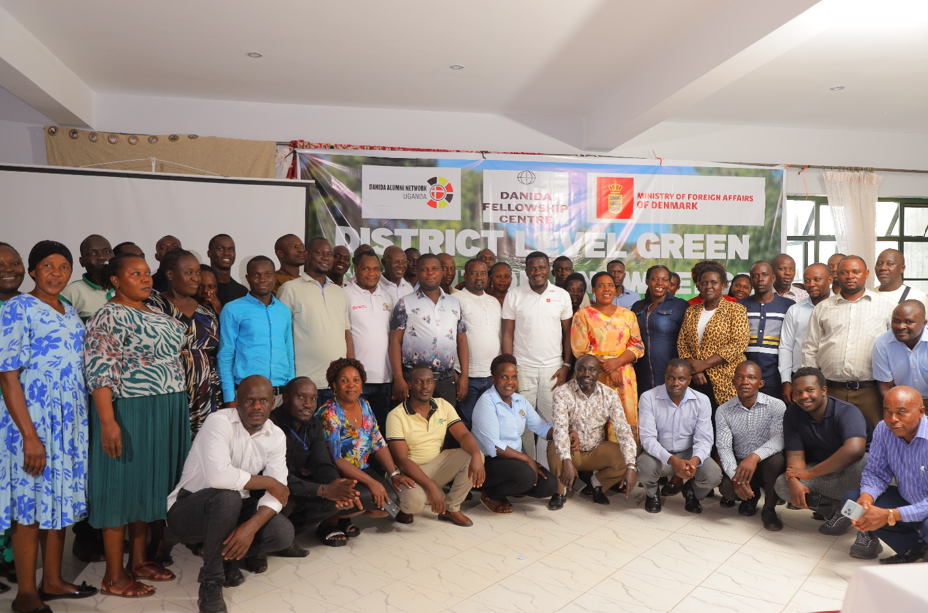
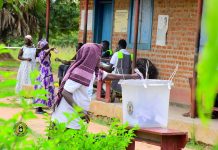
Key stakeholders from research institutions, civil society, youth, farmers and district technical teams have embarked on Green Transition Knowledge to Action Dialogues to raise awareness while empowering communities to take on ownership and apply local action to fight climate change.
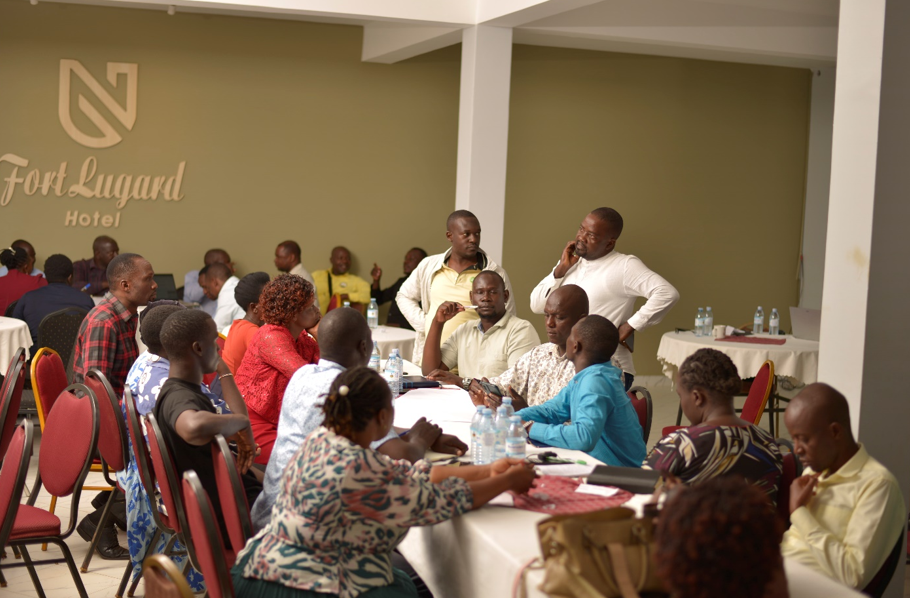
Convened under the DANIDA Alumni/DANIDA Fellowship Centre-supported green transition initiative, both Iganga and Bugiri districts, have held the Green Dialogue in Iganga.
The discussions surrounded strengthening translating the green transition knowledge into practical local level actions that support sustainable development.
Speaking to the media, the District Natural Resources Officer-Iganga, Samanya Abdul, noted that climate-resilient techniques such as mulching, intercropping, and reduced tillage, help revitalize soil health, reduce erosion, and retain vital soil moisture during dry spells.
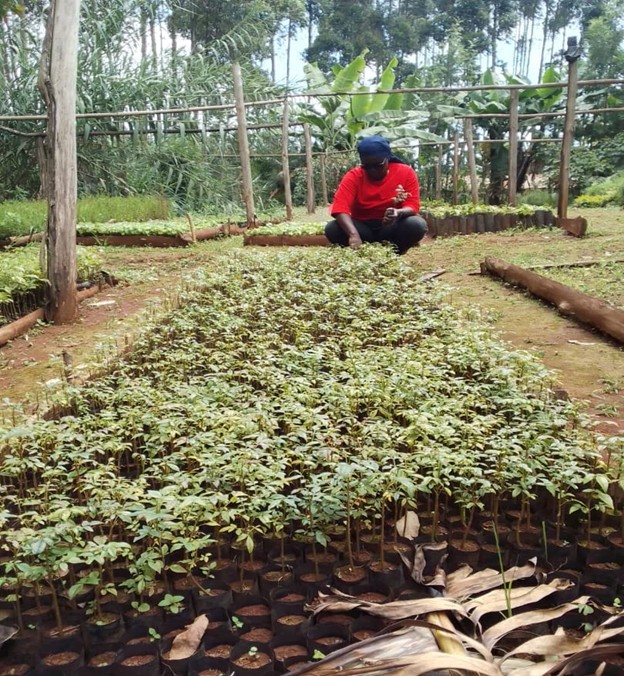
Mr. Samanya emphasized the point of tree planting that could guarantee to curb escalating soil degradation brought by sugarcane growing in Busoga. Adding that Agro-forestry rather than relying on traditional charcoal burning, provides an alternative source of fuel and protects natural forests.
Localized initiatives are bridging the gap between climate policies and grassroots realities while promoting local initiatives.
Ms. Adong Deborah- a farmer from Nakawa Village, Buluguyi Sub-county-Bugiri district, shares how she is adapting when interviewed by Sarah Mawerere in the audio here below
A DANIDA Fellow and Chief Convener of the dialogue- working at the Archdiocesan Development Network (AEDEN) in the Busoga sub-region- Ms. Goretti Alanyo, explained that if global transitions are translated into massive local initiatives by the farmers and local communities, the country will become better in all spheres of life.
Ms. Alanyo alluded to the fact local communities including farmers do practical interventions on their land like tree planting, recycling of products and avoiding waste, which she said translates into
She further noted that with continuous sensitization and education about climate change and the local interventions, the effects of climate change can be reversed.
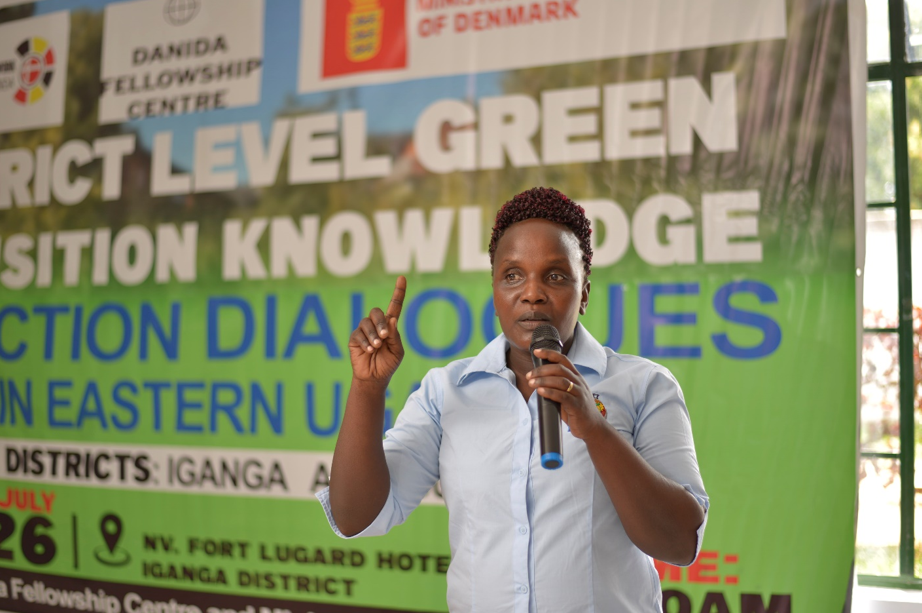
Civil Society Organizations especially the Local Civil Society Organizations (CSOs), are the driving force of the green transition. By bridging the gap between grassroots communities and policymakers to empower farmers and rural communities through direct training in sustainable agriculture, waste recycling, and clean energy adoption, while advocating for inclusive green economy policies that ensure no one is left behind.
The Advocacy Officer from CARITAS Uganda-a Catholic Aided Organization, Betty Rose Aguti, noted that the local approaches to climate change suit the best solutions the communities feel work for them, and will respond positively to adaptation interventions.
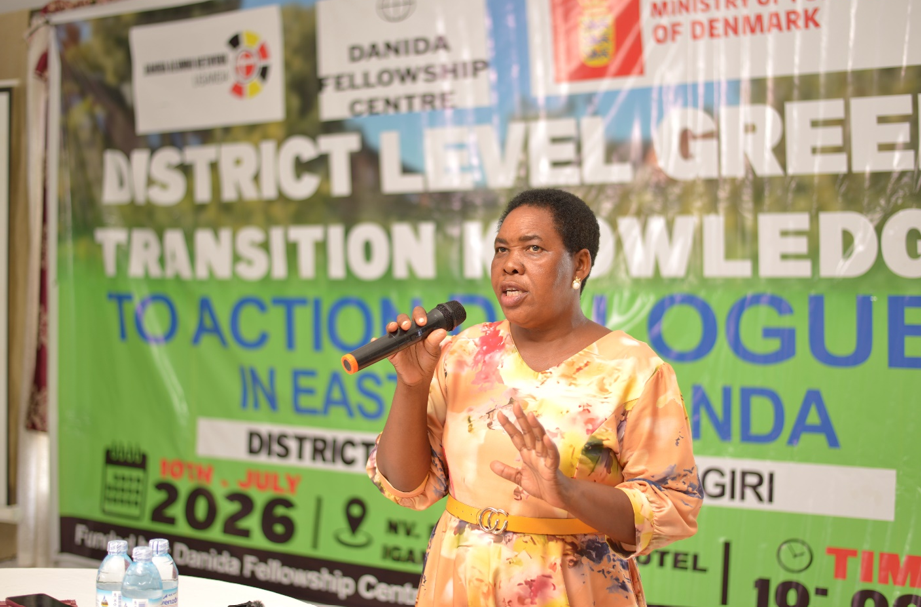
Ms. Aguti underscored the achievements accruing from the government programmes like the Parish Development Model and the Women Entrepreneurship programs, which she said would better redeem the local small holder farmers, women and rural communities to fight climate change.
As the 2030 Agenda takes effect globally, steps to implement principles such as green growth that are embodied in the Sustainable Development Goals (SDGs) continue.
Uganda has mainstreamed the SDGs into its Development Plan. The Government has developed the Uganda Green Growth Development Strategy (UGGDS) to operationalize green growth principles and accelerate the implementation of global development goals, Uganda Vision 2040 and the second National Development Plan (NDP II).
The 2030 Transformative Agenda on Sustainable Development that is defined by 17 Sustainable Development Goals (SDGs) presents an opportunity for Uganda to renew its commitment to sustainable development principles.
Sustainable development is a basic principle that runs through the Uganda Vision 2040, the second National Development Plan and the 1995 Constitution of the Republic of Uganda.
This implies that the envisaged economic growth must not only be socially inclusive but also uphold the integrity of the environment and natural resources.
The Paris Agreement is a legally binding international treaty on climate change. It was adopted by 195 Parties at the UN Climate Change Conference (COP21) in Paris, France, on 12 December 2015. It entered into force on 4 November 2016. Currently, as of 27 January 2026, there are 194 Parties to the Paris Agreement.
Its overarching goal is to hold “the increase in the global average temperature to well below 2°C, and pursue efforts to limit the temperature increase to 1.5°C above pre-industrial levels.
However, in recent years, world leaders have stressed the need to limit global warming to 1.5°C by the end of this century.
The UN’s Intergovernmental Panel on Climate Change indicates that crossing the 1.5°C threshold risks unleashing far more severe climate change impacts, including more frequent and severe droughts, heatwaves and rainfall.
Since 2020, countries have been submitting their national climate action plans, known as Nationally Determined Contributions (NDCs). Each successive NDC is meant to reflect an increasingly higher degree of ambition compared to the previous version.
In their NDCs, countries communicate actions they will take to reduce their greenhouse gas emissions in order to reach the goals of the Paris Agreement. Countries also communicate in their NDCs actions they will take to build resilience to adapt to the impacts of climate change.
It is noted however that, not all developing countries have sufficient capacities to deal with many of the challenges brought by climate change. As a result, the Paris Agreement places great emphasis on climate-related capacity-building for developing countries and requests all developed countries to enhance support for capacity-building actions in developing countries.