
By Wadulo Arnold Mark
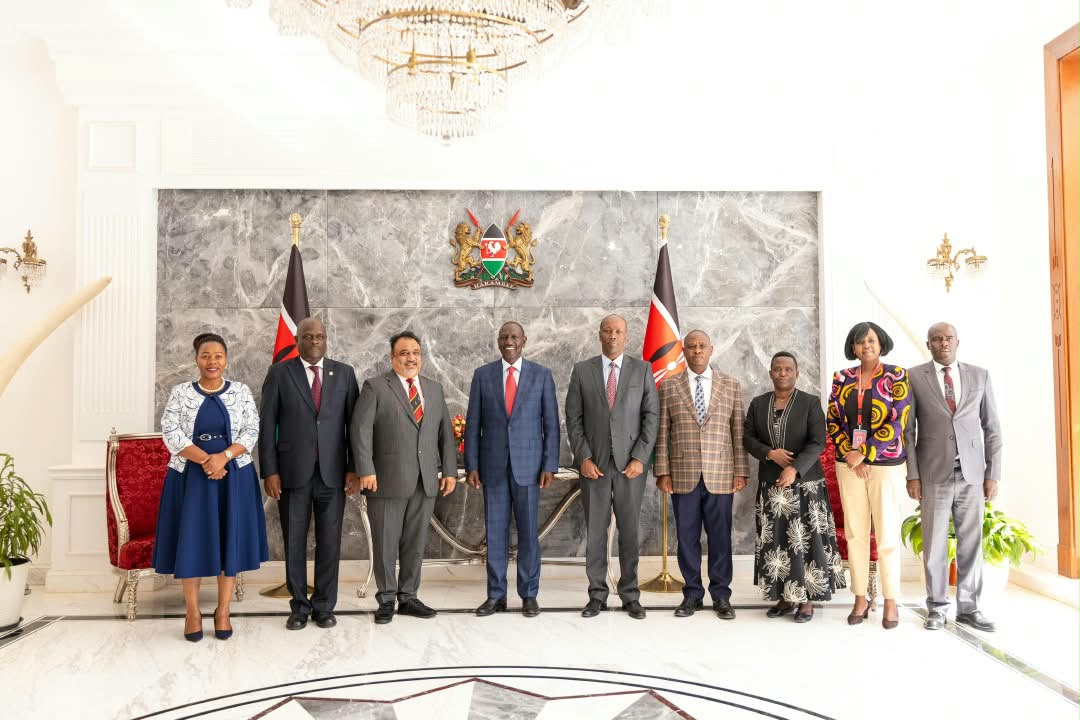
Uganda’s Minister of Trade, Industry and Cooperatives, Hon. Sanjay Tanna led a high-level delegation to Nairobi, where he represented H.E. President Yoweri Kaguta Museveni in a series of engagements aimed at strengthening trade and industrial cooperation between Uganda and Kenya.
The visit brought together senior government officials from the two countries for several meetings focusing on the harmonisation of trade and industry policies, particularly on products and sectors of mutual economic importance. The discussions were intended to address challenges affecting cross-border trade, promote value addition, and create a more predictable environment for businesses, manufacturers, and investors.
Since he took office in June 2026, Hon. Tanna has placed export promotion, industrialisation, and improved market access among his key priorities.
Hon. Tanna and the Ugandan delegation held discussions with Kenya’s leadership responsible for trade and industry, led by Kenya’s Cabinet Secretary for Investments, Trade and Industry Lee Kinyanjui. The meetings focused on finding practical solutions to issues affecting the free movement and marketing of products between the two countries.
The objective was to harmonise policies, regulations, and standards in areas where differences can create obstacles to trade. Such cooperation is particularly important for Uganda and Kenya, whose economies are closely connected through regional supply chains, transport corridors, and the East African Community market.
The discussions also explored opportunities for greater industrial cooperation, with an emphasis on encouraging value addition and reducing unnecessary barriers facing producers and traders.
The Ugandan delegation also held discussions with H.E. President William Samoei Ruto, who emphasised the need for East African countries to remove barriers that undermine regional trade and economic integration.
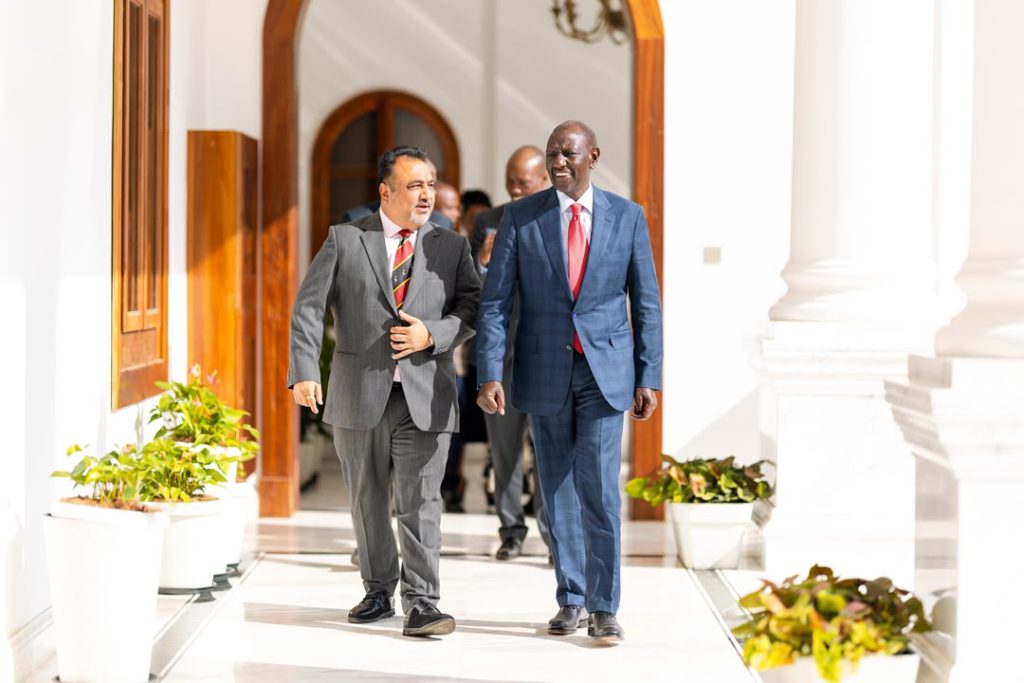
In previous Uganda–Kenya bilateral engagements, President Ruto has highlighted concerns about persistent non-tariff barriers and called for practical and time-bound solutions because of their direct impact on farmers, traders and businesses. He has also stressed the importance of deeper regional industrial cooperation and greater production within East Africa.
From the Kenyan side, the Nairobi meeting provided an opportunity to reaffirm the importance of dialogue and collaboration in resolving outstanding trade concerns. President William Ruto’s broader position has been that the two countries must work together to ensure that regional integration delivers tangible benefits to their people, including expanded markets, stronger industries, and improved opportunities for trade and investment.
His administration has also championed greater value addition and industrial development within the region, arguing that East African countries can benefit more by processing their resources and developing competitive industries rather than relying heavily on imports.
Hon. Tanna’s mission to Nairobi reflects the commitment of both Uganda and Kenya to strengthen their longstanding economic relationship. By addressing trade and industrial matters through direct dialogue, the two governments are seeking to ensure that disagreements over products, standards, or market access do not undermine the wider objective of regional integration.
The two sides are expected to continue engaging through their respective ministries and technical teams to follow up on the issues discussed and work towards mutually beneficial solutions. A follow up engagement will be held in Uganda in the first week of October to further dicuss the bilateral trade between the two countries.
The discussions come at a time when Uganda is pursuing an ambitious agenda of industrialisation, export growth and increased value addition, while Kenya is also seeking to expand its industrial base and strengthen its position as a regional economic hub.
Ultimately, the Nairobi engagements underscore a shared recognition that cooperation rather than trade disputes is essential for the prosperity of both countries. The harmonisation of policies and the resolution of outstanding barriers could open greater opportunities for producers, manufacturers, and traders in Uganda and Kenya while contributing to the broader vision of a stronger and more integrated East African economy.